Genocide
When hatred turns into violence, some of history’s darkest chapters begin. From the Holocaust to other mass atrocities, genocide reveals how ideas of exclusion and violence can devastate societies. Use these classroom-ready lesson plans and teaching materials to impress the significance of these events and show how they continue to happen and affect us to this day.

 How to Teach the Holocaust
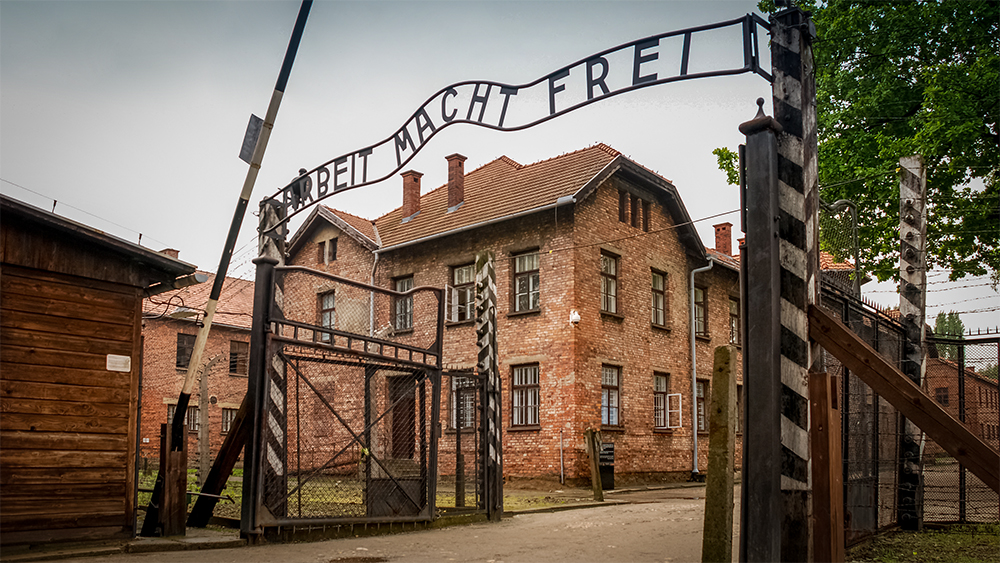

Teaching Sensitive Topics
Get support for difficult but meaningful discussions about the history of genocide and the Holocaust.

Blog: Teaching Challenging Topics in Social Studies
OER Project interviews two classroom teachers on their approach to teaching challenging topics in social studies, and how to build a sense of historical empathy in students.
PD Event: Contemporary Conflict: Historical Analysis for Hard Questions
Teach sensitive topics with clarity by creating a framework to guide student-driven inquiry.

What are your strategies for challenging conversations?
Looking for tips to navigate difficult histories like the Holocaust in your classroom? Check out these teacher-tested ideas.
Teach Tomorrow: Lessons on the Holocaust and Genocide
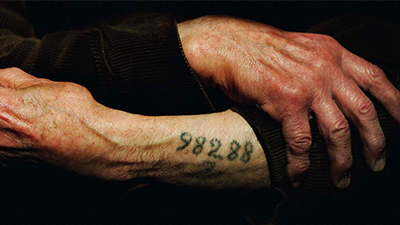
Lesson 7.7
The Holocaust
The horrors of the Holocaust transformed the global consciousness. Through powerful stories, sources, and reflection, this lesson considers how individuals and nations made choices in the face of atrocity.
View Lesson
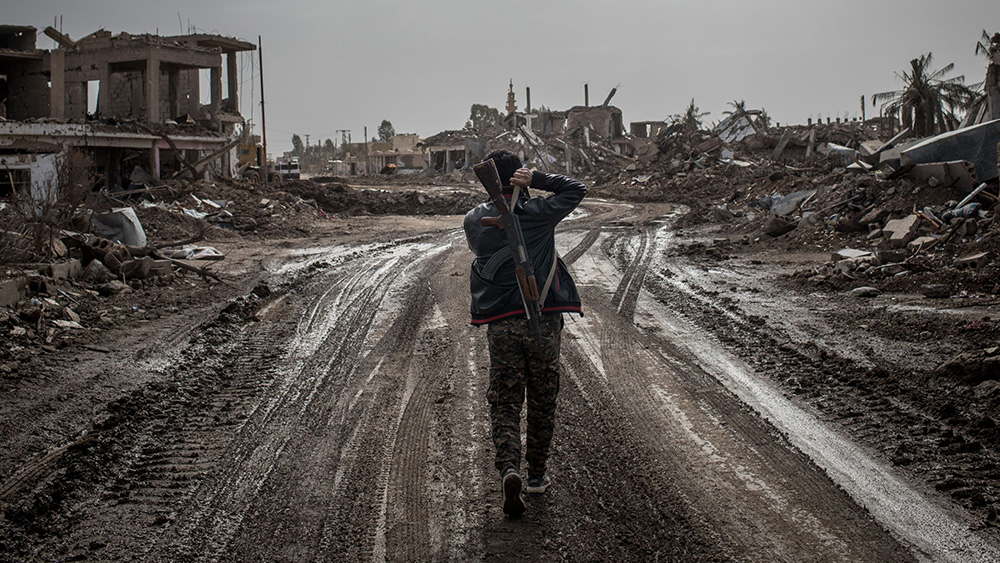
Lesson 9.6
Global Conflicts
After Nazi atrocities were brought to light, the world declared, “never again.” So, why do human rights abuses, mass atrocities, and genocide continue today?
View Lesson
The Holocaust Activities and Resources
The Holocaust
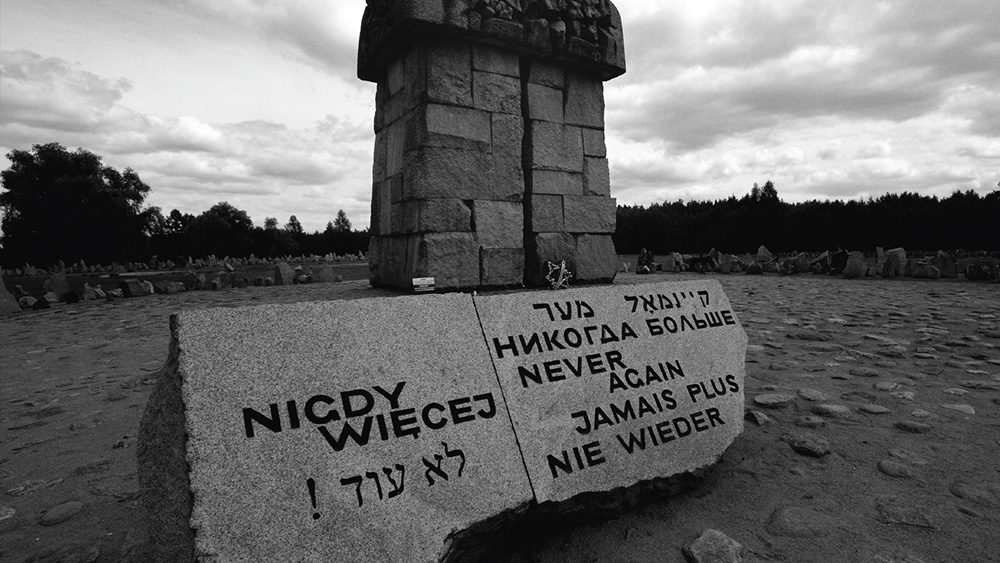

Article
The Holocaust
This article explores how antisemitism turned into state policy and how ordinary people became participants in one of the most devastating atrocities in world history.
Source Collection: The Holocaust
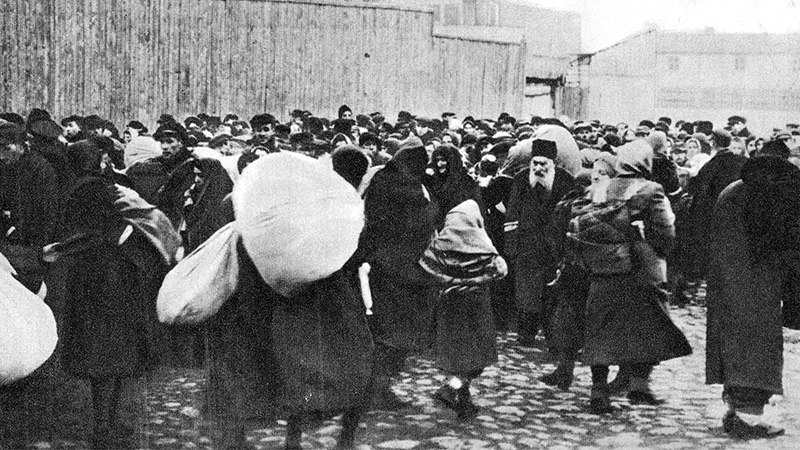
Article
Source Collection: The Holocaust
This collection of primary sources provides a glimpse of the brutality—and banality—of the atrocities committed during the Holocaust.
Nuremberg Laws, Nuremberg Trials
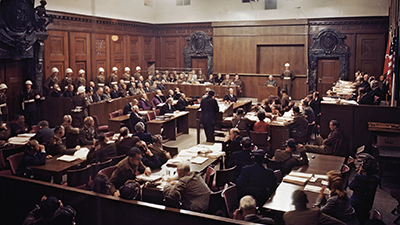
Article
Nuremberg Laws, Nuremberg Trials
The world watched in horror as the Holocaust was revealed. This article explores how it was made possible, and how the world sought justice against Nazi perpetrators.
Assessing Responsibility and Conscience


Activity
Assessing Responsibility and Conscience
What is an individual’s responsibility when their government commits atrocities? What would you do?
Sophie Scholl


Graphic Biographies
Sophie Scholl
Sophie Scholl grew up in Nazi Germany. She joined a resistance movement called the White Rose, distributing leaflets calling for acts of resistance.
The Banality of Evil

Activity
The Banality of Evil
How can ordinary people commit such extraordinary acts of violence against other humans? Historian Hannah Arendt argued that evil is often cloaked in apathy.
Writing Assessments for Teaching the Holocaust
Pre-Writing: Rise of the Nazi Party


Assessment
Pre-Writing: Rise of the Nazi Party
Create an outline to order and connect your ideas about the rise of the Nazi party and the justifications for later atrocities.
DBQ Sources: Rise of the Nazi Party
Assessment
DBQ Sources: Rise of the Nazi Party
Analyze these sources and gather evidence to support your argument about the rise of the Nazi party.
Writing: Rise of the Nazi Party
Assessment
Writing: Rise of the Nazi Party
Use your outline and sourcing skills to demonstrate your understanding of the rise of the Nazi party and the causes of the Holocaust.