Climate Change Adaptation

Driving Question: How can we adapt to climate change?
Explore the ways that we can respond to the impacts of a warming planet. Research and assess adaptation solutions to decide where to focus our efforts to make the biggest difference in reducing the impacts of climate change.
Learning Objectives:
- Evaluate different adaptation strategies.
- Identify solutions that will benefit the most people.
- Research and advocate for an adaptation strategy.
How can we effectively address the impacts of climate change? Explore the connections between climate effects and the strategies designed to tackle them.


This visual aid will help students with the activity—but it can also be a helpful reference as students explore additional adaptation solutions throughout the lesson.
What do we mean when we talk about adaptation? Use the graphic to help answer the questions in the activity.


Unpacking Adaptation Areas


In this course, we evaluate climate solutions based on the criteria of time, cost, and impact potential.
The article “How Can We Take On Climate Change?” from the previous lesson helps students understand the difference between adaptation and mitigation solutions.
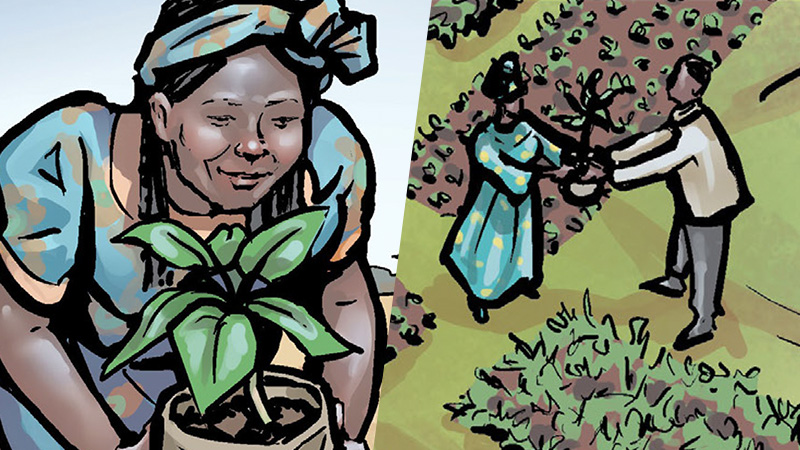
We’re already feeling some impacts of climate change, so what can we do? Read the article and graphic biography to explore adaptation solutions, and then apply what you’ve learned as you evaluate solutions in the activity.
-
Guiding Questions

-
Guiding Questions

If you haven’t already done the activity Claim Testing: Evaluating Authority, we recommend you complete that intro lesson before completing this activity.
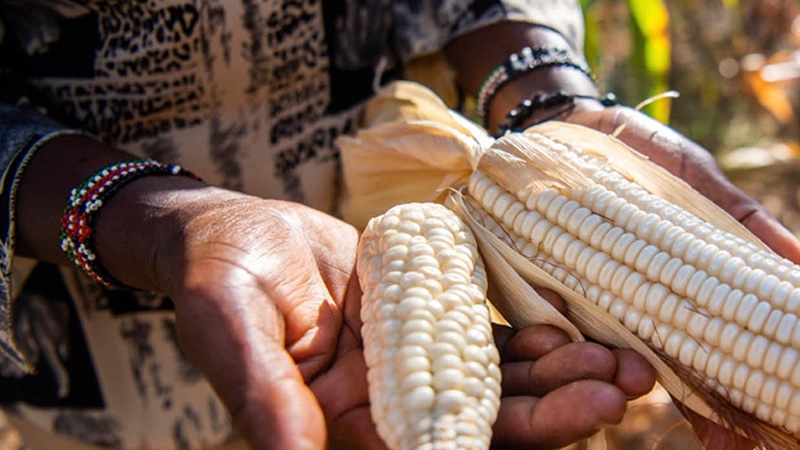
Watch the video to explore one promising adaption solution to build economic and food security for people most at risk to climate change. Then, use the activity to practice testing the claims you heard.
-
Guiding Questions


Not just New York…urban areas around the world are seeing skyrocketing rat populations. Thanks to rising temperatures that boost rats’ reproductive rate and extend their breeding season, these rodents are thriving.
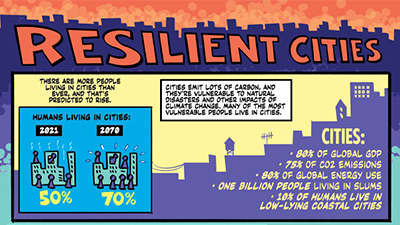
Our communities must adapt in order to respond to climate impacts. Study the infographic to explore the best strategies for building a climate-ready future, and then use your creativity to rise to the challenge in the activity.
-
Guiding Questions

This lesson has provided plenty of examples of adaptation solutions, but we certainly haven’t covered them all. Time for some research.

Communities are experiencing the impacts of climate change in different ways, which means they need different solutions to address those impacts.