Origins of Nationalism

Driving Question: Why do we live in a world of nation-states today?
It might seem like we’ve always had countries, or nation-states, and people who believe that their own nation-state is the best. But the concepts of nations and nationalism have only been around for about 200 years. Although not very old, nations and nationalism have had dramatic effects on how we view the world and each other.
Learning Objectives:
- Understand the origin and effects of nationalism on human communities and political revolutions.
- Evaluate how nationalism affected different societies and ethnic groups during this period.
- Practice both informal and formal writing skills to develop organization strategies.
Vocab Terms:
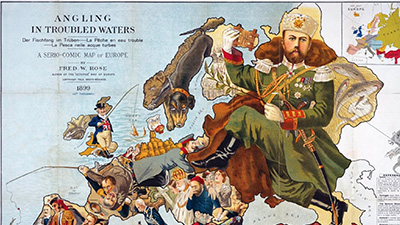
One useful move in this lesson is to have students compare political maps of the world in 1750, before the emergence of nation states, with some maps of 1789, 1815, and 1871 to see how political borders changed over the course of the long nineteenth century. What big changes do they notice?
Sometimes it’s difficult to reconcile scientific thought with religious faith. This biography explains how one man adapted Enlightenment ideals for an Islamic society.


Check the Lesson Guide for sample answers (just in case you’re like us and sometimes mix up Taylor Swift and Patrick Henry).
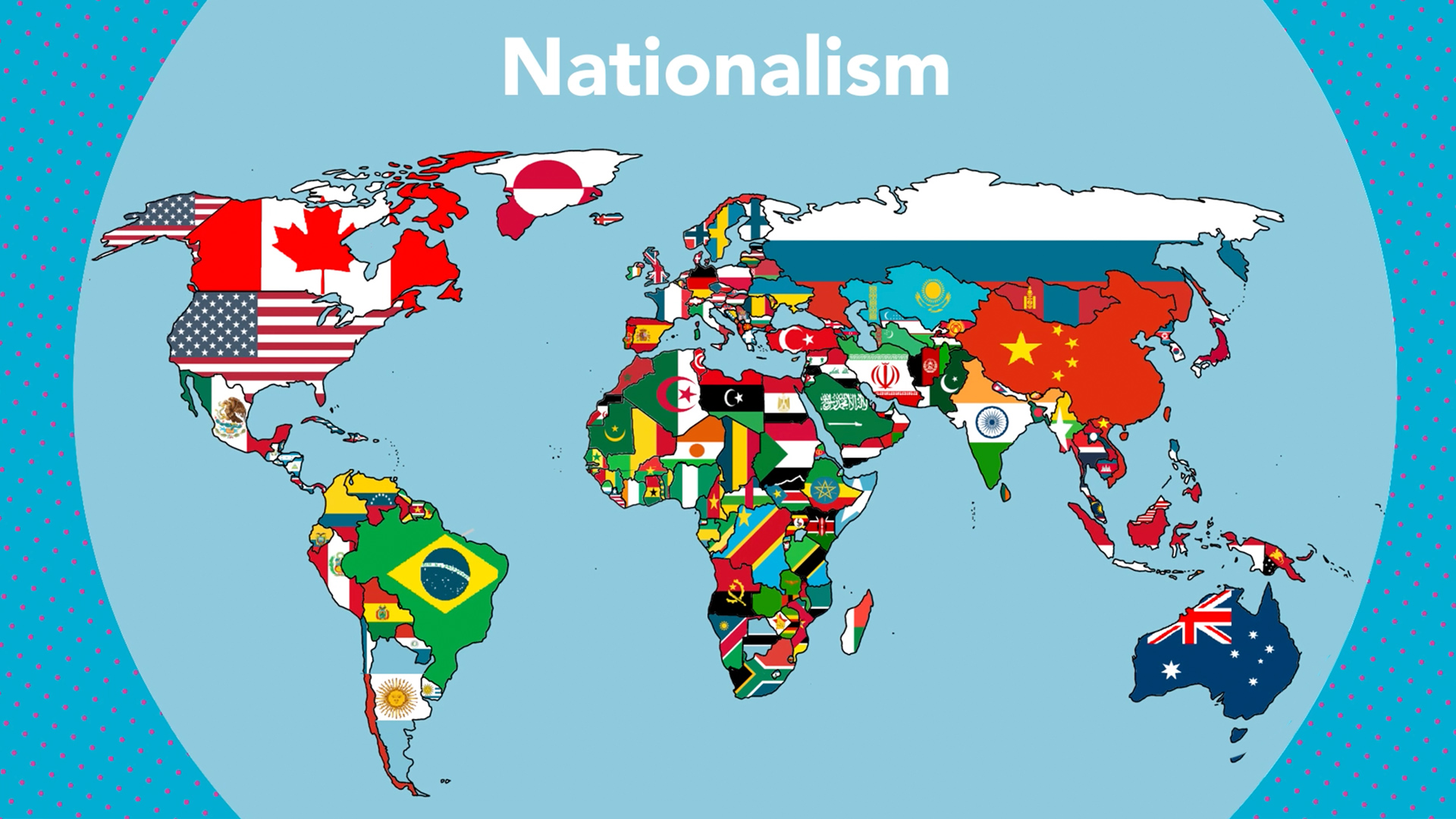
Today, we live in a world of nation-states. The ideas of nationalism underpin our personal and community identities. The materials below will help you understand what nationalism is and how it emerged.
-
Guiding Questions

-
Guiding Questions


You’ve considered how you think about your identity, and you’ve learned about the origins of nationalism. Now, think about where your loyalties lie.



Being able to organize your writing in a logical way and use clear language is a crucial element for all kinds of writing. Look for these elements in a sample student essay.

The long nineteenth century was a revolutionary epoch. The collection below provides a global view of these revolutionary changes.