Communism in China

Driving Question: Why did communism take root in China and how did that have global ramifications?
Why did communism rise in China, and how did it change the world? This lesson looks at revolution, reform, and the ripple effects of one of history’s biggest power shifts.
Learning Objectives:
- Use evidence to evaluate how China’s communist revolution was shaped by global conflicts and anti-imperialist struggles.
- Use quick-sourcing skills to assess the causes and consequences of the spread of communist states in this period.
Vocab Terms:
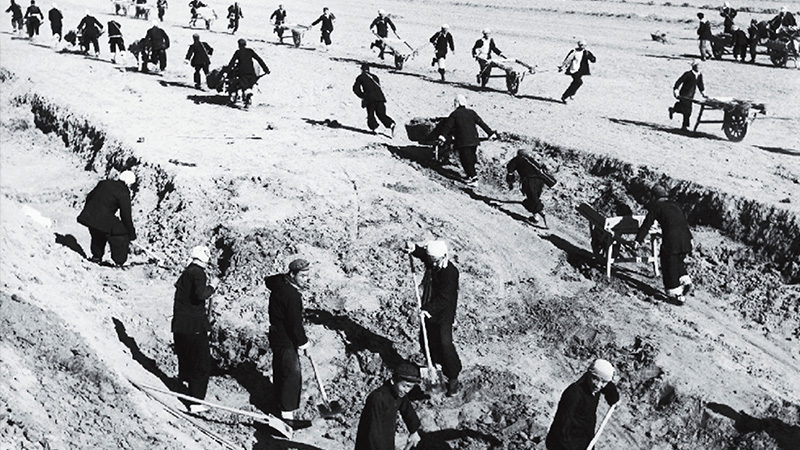
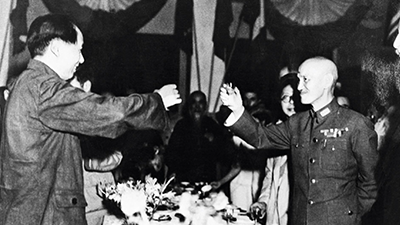
China was a major player in the Cold War and decolonization struggles of this period. Use image analysis to begin engaging with the Chinese Communist Revolution.


Seeing Red Slideshow


Did you know: Mangoes briefly became sacred political relics in China. In 1968, during the Cultural Revolution, Chairman Mao was gifted a basket of mangoes by the Pakistani foreign minister. Instead of eating them, he gave them out to workers. Mangoes were extremely rare in northern China, and the workers treated the fruit like semi-divine relics. Instead of eating them, the workers put the mangoes on altars, displayed them in glass cases, and boiled them in water to create a sort of holy water. While most eventually rotted (mangoes gonna mango, after all), some were preserved in formaldehyde and others were replicated using wax. As mango-mania swept China, they became a common symbol. And in one case, a dentist was publicly humiliated and executed by a mango cult mob after he compared a mango to a sweet potato.
See the Community thread “Mao, Mangoes, and China’s Cultural Revolution” for ideas about teaching the Chinese Communist Revolution.
Examine how Mao Zedong launched the Cultural Revolution to reshape Chinese society and protect communist ideals. Through an article and video, you will explore internal politics, Cold War pressures, and anti-imperialist goals.
-
Guiding Questions

-
Guiding Questions
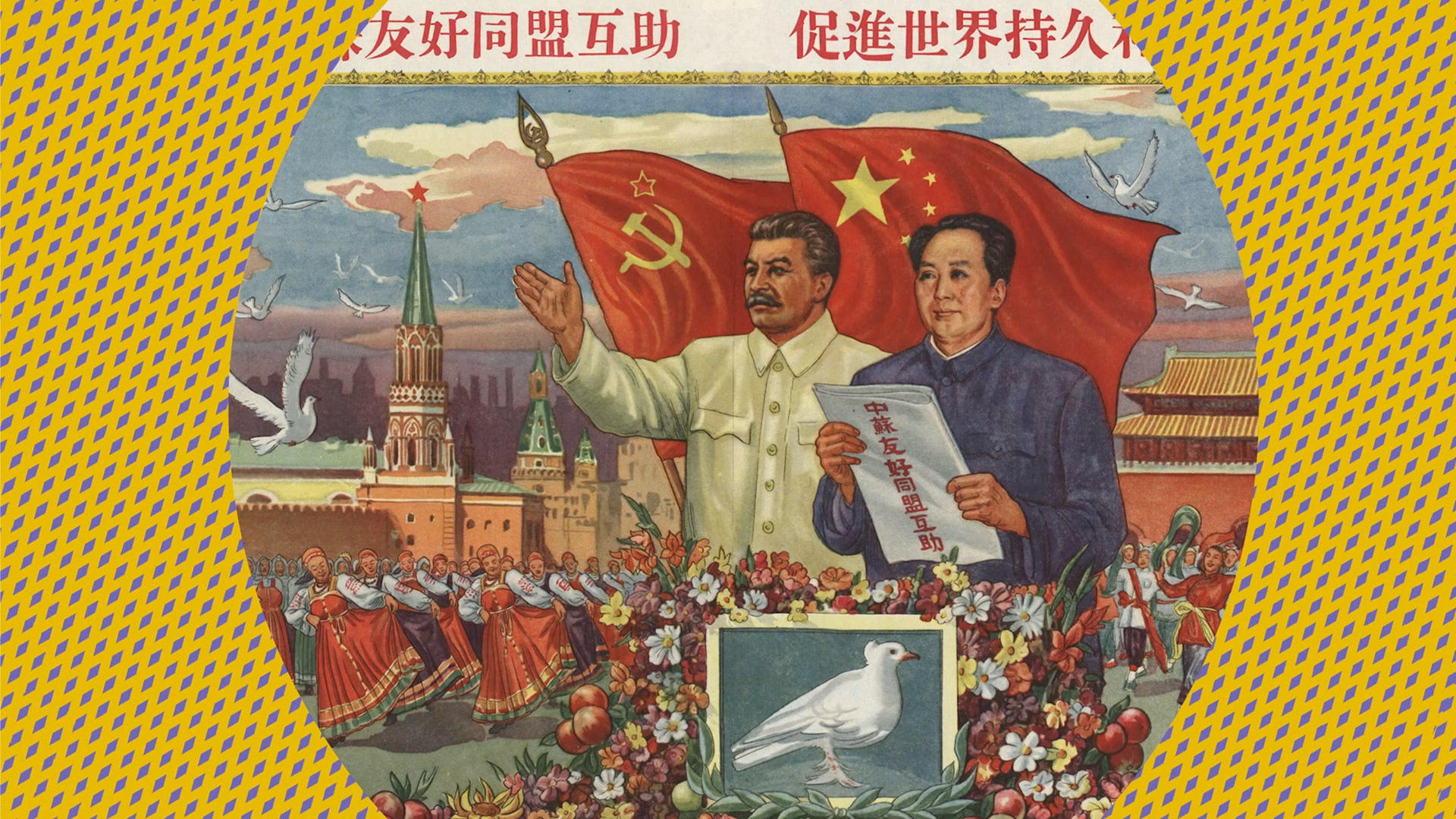


Now that you’ve explored the Chinese Communist Revolution, it’s time to consider how the frames can help us understand the effects of this ideology more broadly.



Use sources to analyze how people and governments around the world responded to communism. These materials will deepen your understanding of how China’s revolution fit into broader Cold War struggles.