
The End of Empire

Driving Question: What were the factors that led to decolonization around the world?
The end of empire was shaped by global forces as much as local resistance. See how Cold War rivalries, economic shifts, and growing unrest challenged imperial power after World War II.
Learning Objectives:
- Use evidence to evaluate the connections between the Cold War and decolonization.
- Compare the roles women played in anticolonial movements around the world.
Vocab Terms:
Prompt parsing helps prepare students to write claims. Read more about our approaches to writing in the OER Project Writing Guide.
Revisit the Question Parsing Tool to help figure out what prompts are asking you to do.


This map covering the Cold War and decolonization will help your students see how these two interconnected struggles played out across the world as well as the chronology of independence.
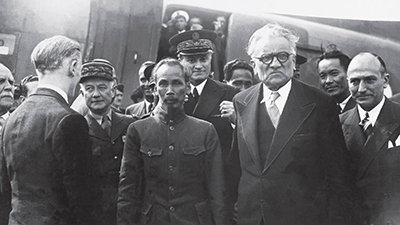
Empires began to break apart after World War II. The process of decolonization was shaped by global competition and local resistance as independence movements seized their moments.
-
Guiding Questions

-
Guiding Questions
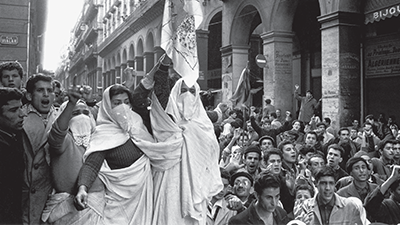


Looking for a way to shorten this activity? There are some great ideas in the “Decolonizing Women” thread in the Community Forum.
Discover the roles women played in challenging imperialism. These materials highlight how gender shaped both colonial rule and independence movements across the globe.
-
Guiding Questions
This lesson was all about a wave of anti-colonial movements that managed to achieve independence across the globe after 1945. Time to consider how they managed it and what lessons we can learn.



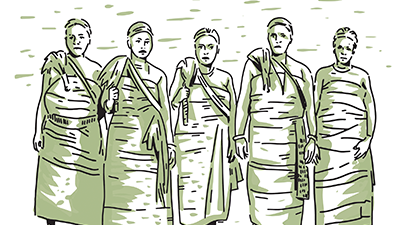
Research and compare the ways in which women across Nigeria, Algeria, and Egypt resisted colonial oppression.