Collapse and Restructuring

Driving Question: How have societies restructured after the collapse of empires?
After the fall of empires like Rome and Han China, the societies they once ruled didn’t collapse, they adapted: rebuilding, restructuring, and even entering new golden ages. This lesson challenges the idea of a universal decline and highlights the resilience of people across the world.
Learning Objective
- Understand and evaluate how historians create narratives to explain how societies rise and fall.
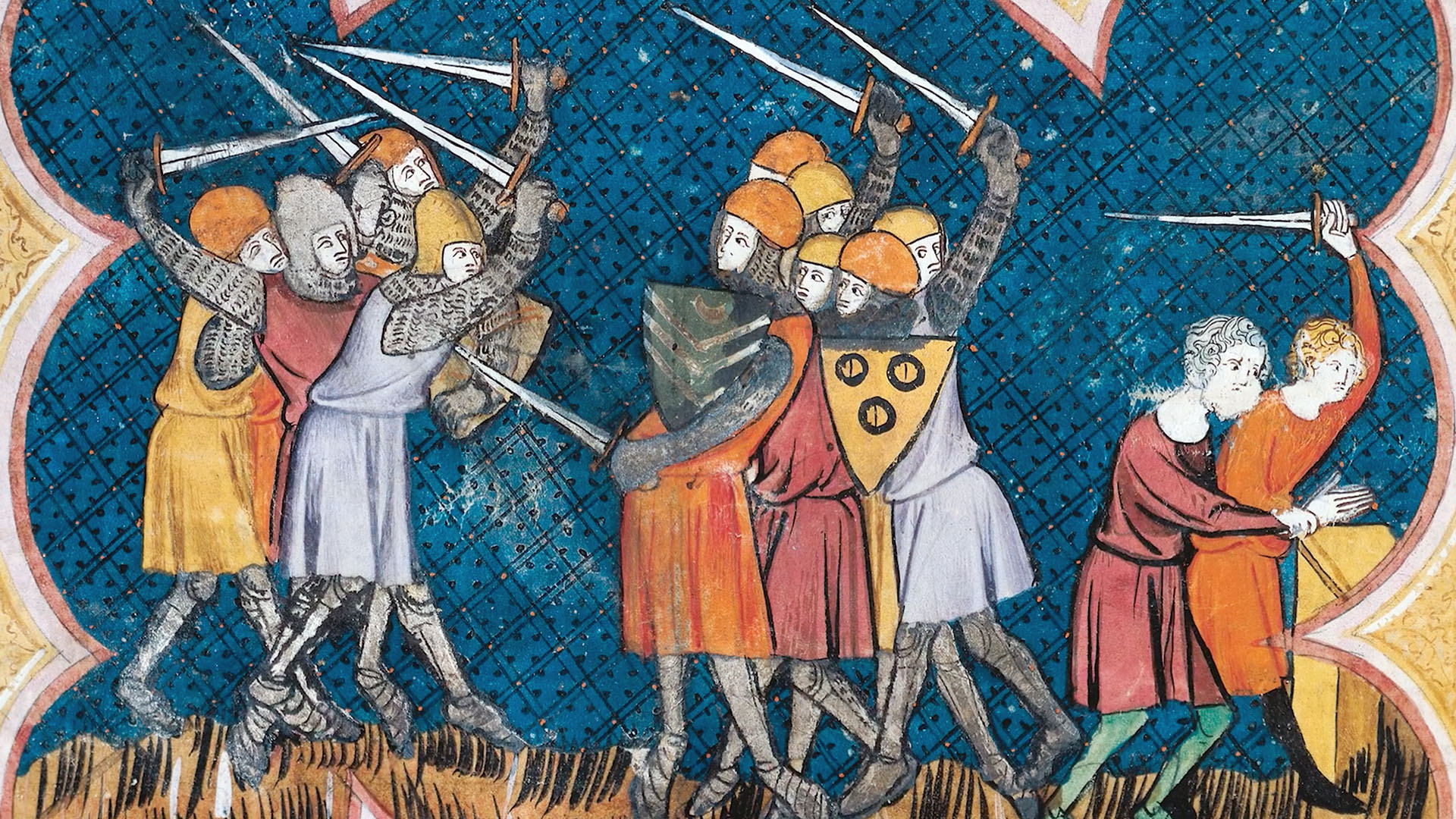
Did you know: Medieval scribes sometimes filled otherwise serious manuscripts with killer rabbits, sword-fighting snails, and other bits of fantasy. Even during the so-called Dark Ages, bored students were doodling weird stuff in the margins. Check out who wins in the epic battle of Knight v. Snail at the British Library.
New vocabulary? No problem! Let’s see what you know by matching up new words with previous knowledge and experiences.


Most students can identify with the idea that it’s possible to receive too much advice from adults. This video uses the story of one particularly overbearing medieval mother to highlight how Europe restructured in the centuries after the fall of Rome. Stories like these help students see themselves in historical themes.
Sometimes endings are really beginnings. Empires come and go, but new societies and authorities emerge.
-
Guiding Questions
The Collapse Categories activity uses two concepts from the “Empires Fall” article that help evaluate the relative health of empires: cost and cohesion:
Cost refers to the resource burden of maintaining an empire, which becomes harder to sustain over time.
Cohesion refers to the sense of unity holding the empire together, which weakens as elites and other groups begin to care more about their own interests than the whole of the empire.
If you need more guidance, you can check out the 0.4 Lesson Guide, which provides sample answers.
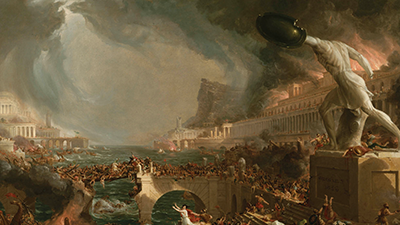
How do empires collapse? Invasion, lack of money, and internal challenges are three major reasons, as many ancient empires discovered.
-
Guiding Questions



This activity gives you a chance to reflect on what you’ve learned about societal collapse in by stepping into the shoes of a person from the time period.