Rome and Han China

Driving Question: How did Roman and Han Dynasty rulers grow and maintain their empires?
The Roman Empire and Han Dynasty China were the two pillars of the ancient world. These two empires linked with each other across a vast network of Silk Road trade. In the Mediterranean Sea and East Asia, they conquered vast territories and ruled over periods of peace and prosperity, thanks to innovative economic, political, and miliary strategies.
Learning Objectives
- Analyze the formation and characteristics of the Roman Empire and Han Dynasty China.
- Explain and compare the roles of women in classical societies such as ancient Rome and Han Dynasty China.
Luxury goods, such as silk, drove long-distance trade in the ancient world. This quick activity uses a primary source excerpt to help you understand the demand for silk.


Did you know: A tax on pee helped fund the colosseum. Emperors Nero and Vespasian imposed a urine tax on Rome. The ammonia-rich pee was valued in the tanning and laundry industries. To raise money, the emperors put a tax on the guys who collected pee from public urinals. Public toilets became known as vespasianos, after Emperor Vespasian.
What can two ancient empires from very different parts of the world teach you? You’ll find out as you read about Rome and Han China.
-
Guiding Questions
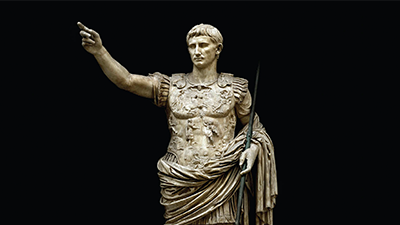

-
Guiding Questions
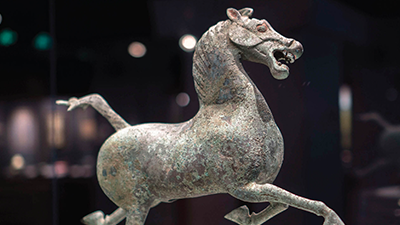
Organizing students into groups and assign roles, such as vocabulary master, claim cruncher, evidence gatherer, content connector. While they’re reading, each student writes down and looks for the specific thing they’re assigned. When they’ve finished, students meet in their homogenous groups and share, and then meet with their heterogenous groups and discuss the reading..
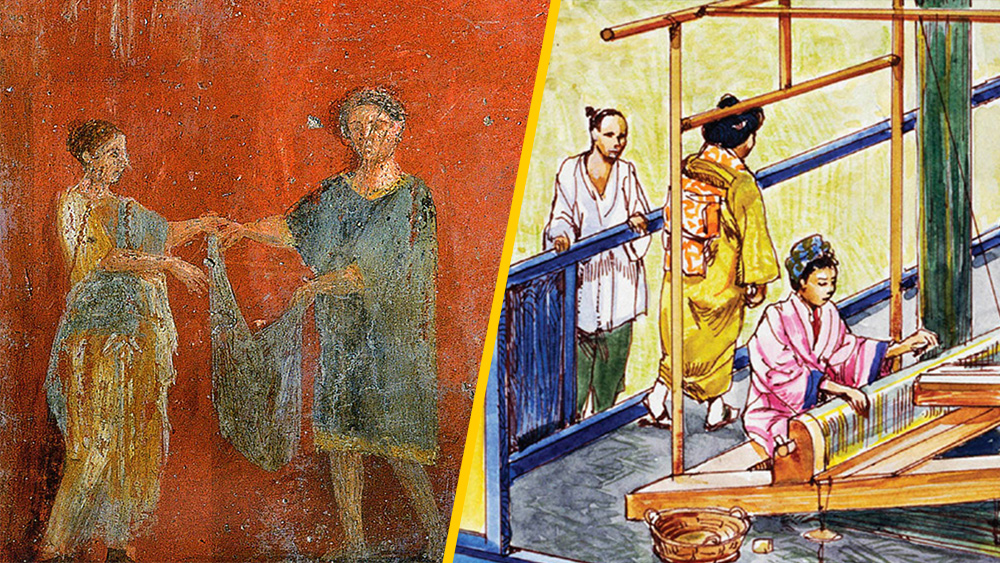
Women’s struggle for equality has been ongoing for millennia. Whether in ancient China or ancient Rome, women pushed or ignored boundaries set by men.
-
Guiding Questions
Blog post: Who Really Built the Silk Roads? This blog post reveals the middlemen who helped keep the Silk Roads alive as the Roman and Han Empires died.
The Silk Roads moved more than just silk. Explore the trade routes that connected Rome and Han China.
-
Guiding Questions
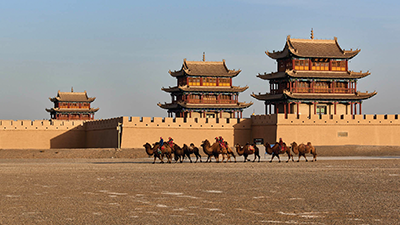
What would you do if you were transported to the ancient world? Use your imagination as you choose an empire.