Assessing the Dark Ages

Driving Question: Did Europe go through a dark age after the fall of the Roman Empire?
When historians call this period the “Dark Ages,” they’re usually talking about Europe. And that’s where we’ll start—but there’s a big world beyond Europe. We’ll try to figure out if the medieval period in Europe was really a dark age and evaluate how other societies around the world responded to collapse.
Learning Objectives:
- Analyze the extent to which Europe experienced a period of societal collapse following the fall of the Roman Empire.
- Evaluate historical debates surrounding the Dark Ages in Europe and beyond.
Vocab Terms:
You’ve heard the term Dark Ages before, but what does it mean? Was it truly dark, or is the story more complicated?


Fun fact: Most medieval historians hate the terms Dark Ages and feudalism, with some calling the latter “the F word” because they think it’s a misleading and overly simple term.
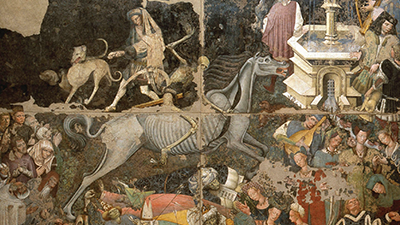
There’s a common misconception that after the fall of Rome, Europe descended into darkness and chaos, and that all learning was lost. But this myth has its origins in thinkers of the Renaissance and Enlightenment periods. Those thinkers thought of themselves as reviving the glory of the ancient Greeks and Romans. So they portrayed the medieval period as “dark” and “backward” to make their own era look more advanced. In reality, medieval Europe had major developments, including universities, technological advances, stunning architecture, and legal systems.
Evaluate the evidence you’ve encountered in this lesson and take sides in the debates about the Dark Ages.
-
Guiding Questions

-
Guiding Questions
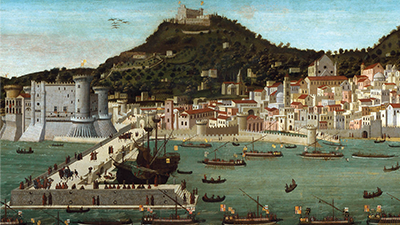


Are you looking for a little background information on the Viking Age? Check out this blog post. The Viking Age is a great place to help students think through the historical debates about the Dark Ages. On the one hand, these were really bad times for many people as migrations pushed raiders into Europe from the north, south, and east. At the same time, these often-brutal interactions also forged new connections and kicked off monumentally important social changes in European society.
To help support you, we also have a detailed map that explores the long-distance connections of the Viking Age. Also, check out the Swedish History Museum’s great online resource that features digital explorations of several types of Norse artifacts.
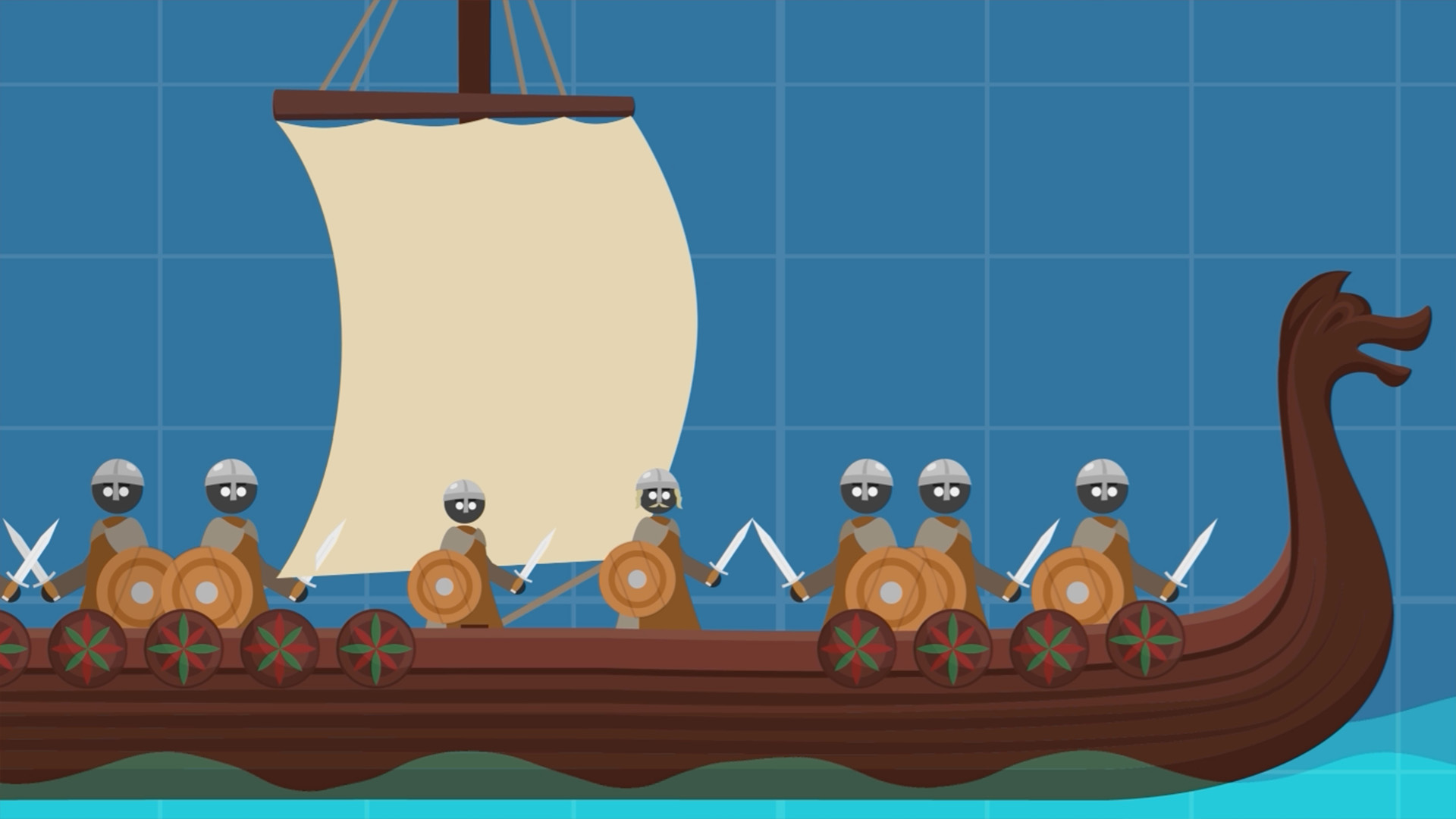
The Vikings may have gotten a bad rap. It’s your turn to evaluate their accomplishments and decide if they need a new publicist.
-
Guiding Questions

You’ve learned about debates surrounding the so-called Dark Ages. In this activity, it’s your turn to weigh in—did Europe experience a dark Age after the fall of Rome?