The First Total War

Driving Question: How did people in different regions experience the First World War?
World War I was more than a battlefield—it was a global experience. It blurred the line between home and front, and changed what war looked and felt like.
Learning Objectives:
- Create arguments using historical evidence to support claims and communicate conclusions through informal writing.
- Use evidence to understand key events and developments of World War I and evaluate how the conflict affected both soldiers and civilians.
- Compare two graphic biographies to support, extend, or challenge the overarching narratives of this period.
Vocab Terms:
Sentence starters are a great scaffold for helping your students support claims with evidence. Use the BHP Sentence Starters with your WHP Origins students to give them either a reminder or a leg up in their writing.
What is a total war? You’ll use your sourcing skills to decide on a definition.



To help students visualize the scale of this total war, show them our world map of alliances and casualties in the First World War. Be sure they look at countries outside of Europe and note that civilian casualties are provided under military casualties. Ask them to consider which regions and people paid the highest price in this total war.
Beyond the battlefields, World War I reached deep into people’s homes, jobs, and daily lives. These materials will help you understand what made this war “total” and why its impact was truly global.
-
Guiding Questions
-
Guiding Questions


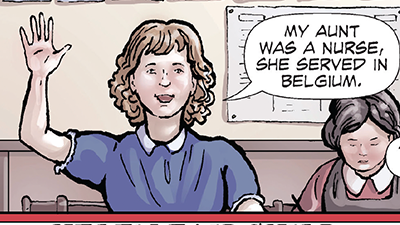
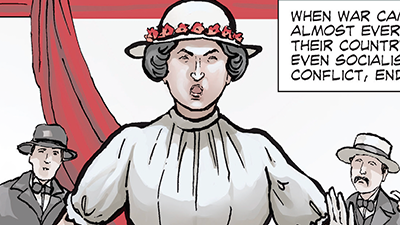
These two graphic biographies were written and designed to stand together and provoke comparison. These two women experienced the same war from different sides. Both took proactive—but very different—approaches to the war. Both suffered and died as a result of events during and after the conflict. Be sure students consider the art and the way the two women and their worlds are portrayed as part of the evidence for their comparison.
These materials offer insight into the emotional and social toll of total war on individuals from different backgrounds. Uncover how these experiences and reactions reflected deeper shifts in society.
-
Guiding Questions

-
Guiding Questions
Practicing historical empathy is core to understanding anything in history. But it can be tricky…. Read about it in this Forum thread: “The Slippery Slope of Teaching Historical Empathy.”
Time to reconsider your definition of total war from the beginning of this lesson.



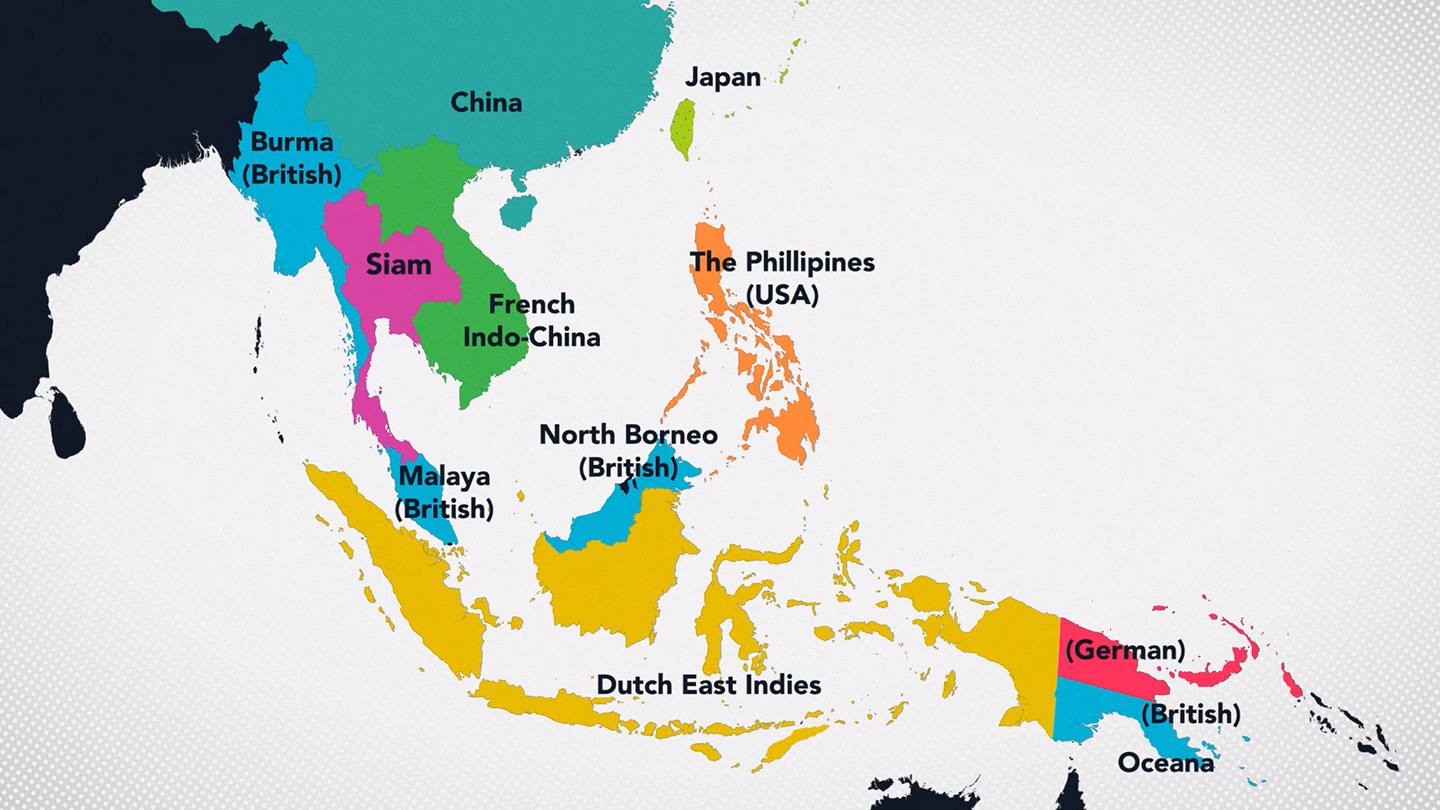
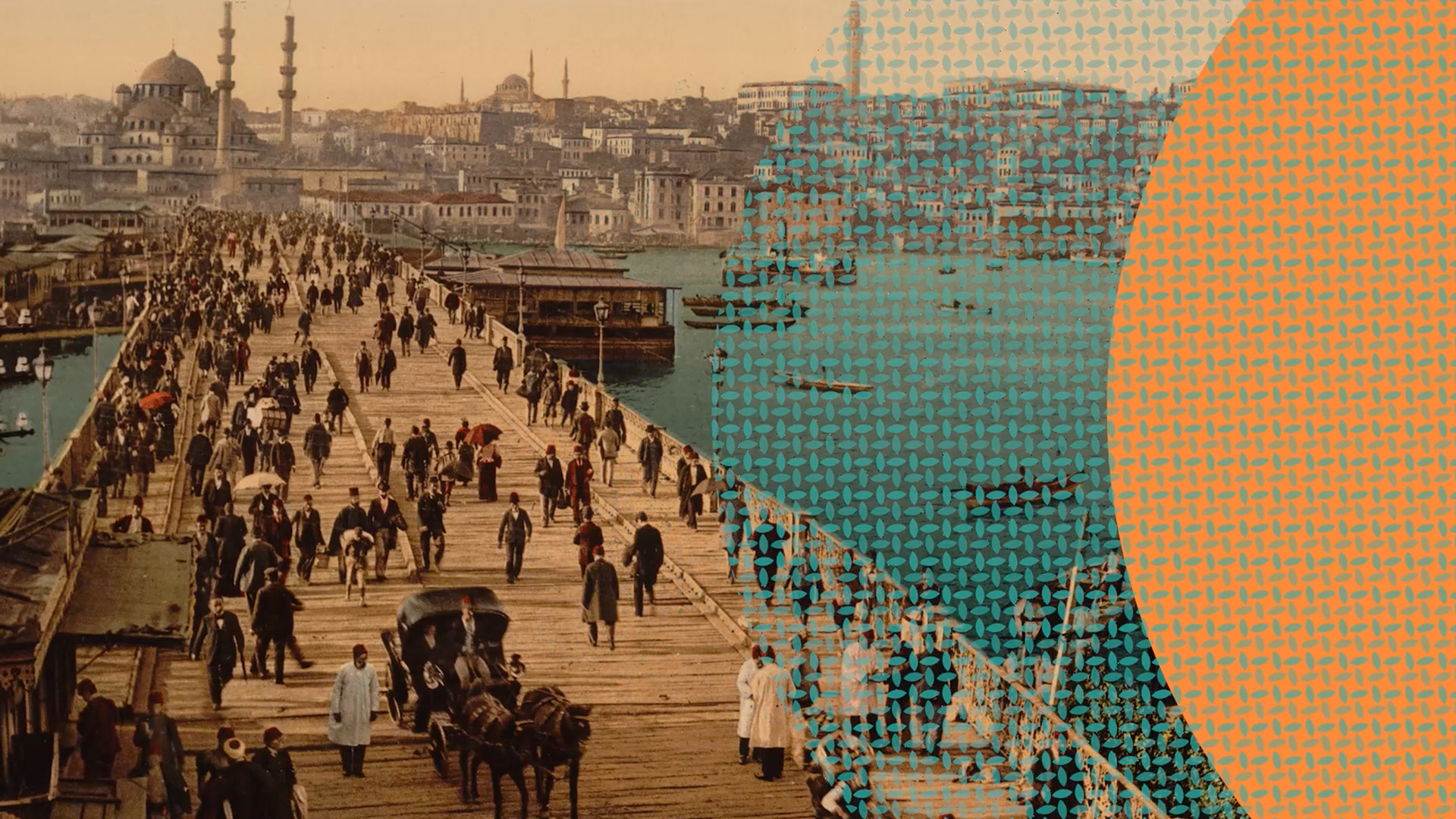
These two videos are important extensions to illustrate the long-lasting impacts of the First World War outside of Europe. The Middle East video in particular is relevant to our world today, as it explains the Sykes-Picot Agreement, which laid the foundations for many regional conflicts happening now.
Learn how World War I shaped regions far beyond Europe. Through two videos, you’ll examine how colonial powers mobilized people and resources in Southeast Asia and the Middle East, and how those regions responded to the pressures and promises of total war.
-
Guiding Questions
-
Guiding Questions
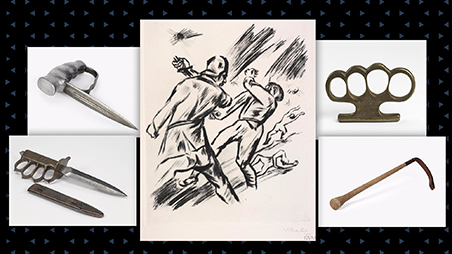
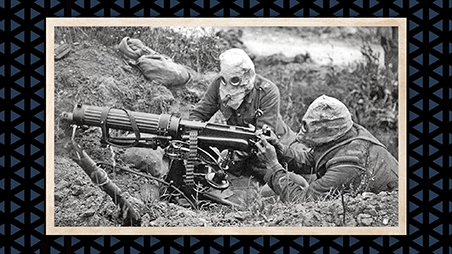
These short videos reveal how new technologies transformed warfare during World War I. From gas masks to trench tools, you’ll learn how industrial innovations changed how wars were fought—and how soldiers survived.
-
Guiding Questions
-
Guiding Questions