
Causation
History is messy, and a single event can cause a ripple effect throughout time. Here you’ll find lesson plans, teaching guides, and student activities to help you teach causation—an essential historical thinking skill—confidently. These classroom-ready resources develop students’ causation understanding by asking “why?” and not just “when?”

 How to Teach Causation: Tools for Teachers


 Teacher Chat: Causation
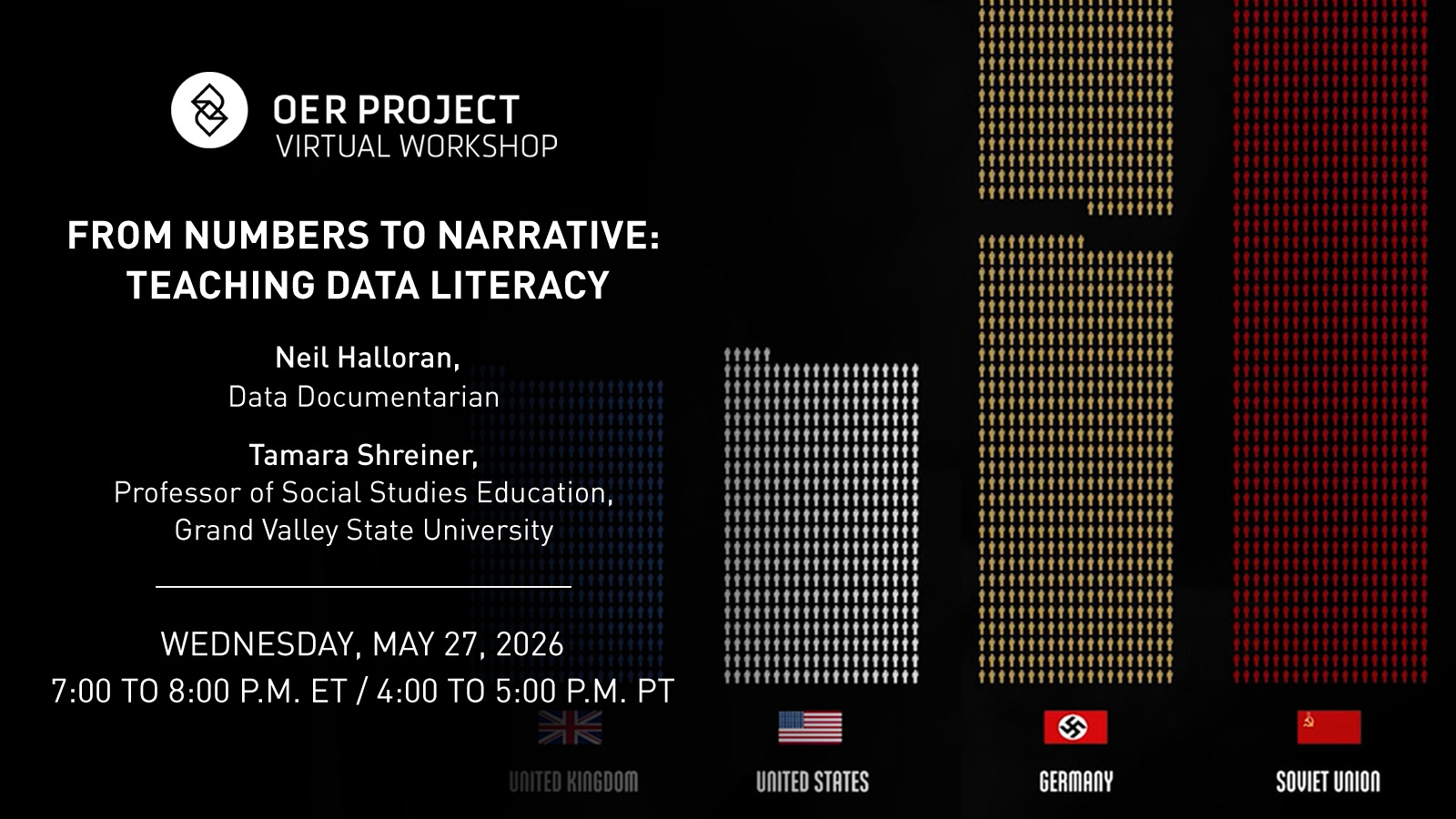
PD Video: From Numbers to Narrative: Data in History
Data is a rich source to determine causation. Grab classroom-ready moves that help students interrogate evidence, spot patterns, and analyze visuals. Find the video in our Teaching Moves collection.

Blog: Teaching Causation through Mall Closures
Flex historical thinking with a familiar phenomenon: globalization’s impact on suburban malls.

Teaching Multiple Causes of California Fires
Educators share approaches to draw out student thinking by exploring multiple causes of wildfires—from climate change to human action.
Blog: Domino Effect Does NOT Equal Historical Causation
It’s easy for students to oversimplify causation, but the past is messy and complex. We’re here to help with causal maps and tips for teaching, so historical thinking stays 3-D.
Teach Tomorrow: Lessons on Causation
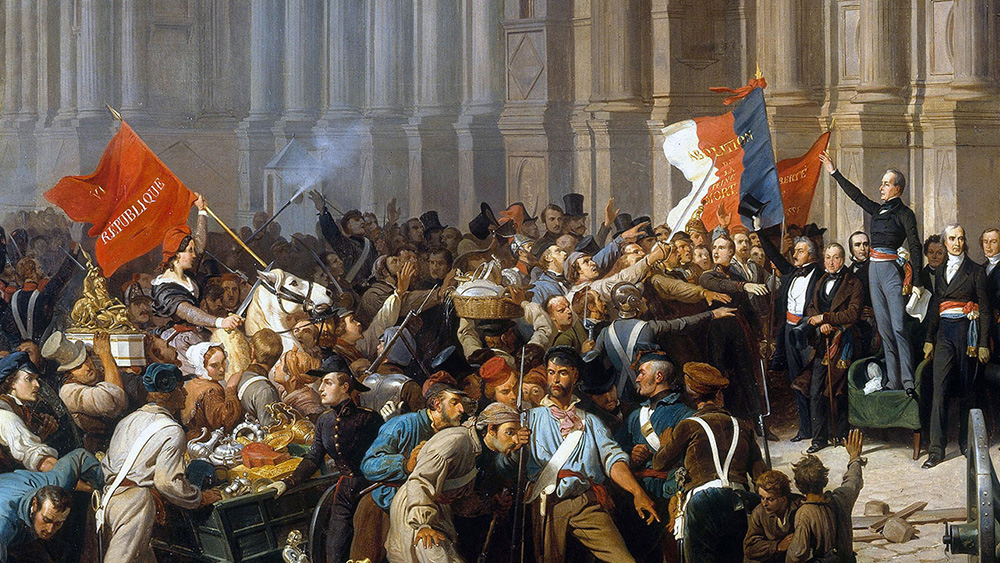
Lesson 2.3
What Causes Revolutions?
No single cause explains every revolution. Some begin with ideas while others start with hunger, injustice, or fear. Understanding why they happen means asking deeper questions about power and possibility.
View Lesson
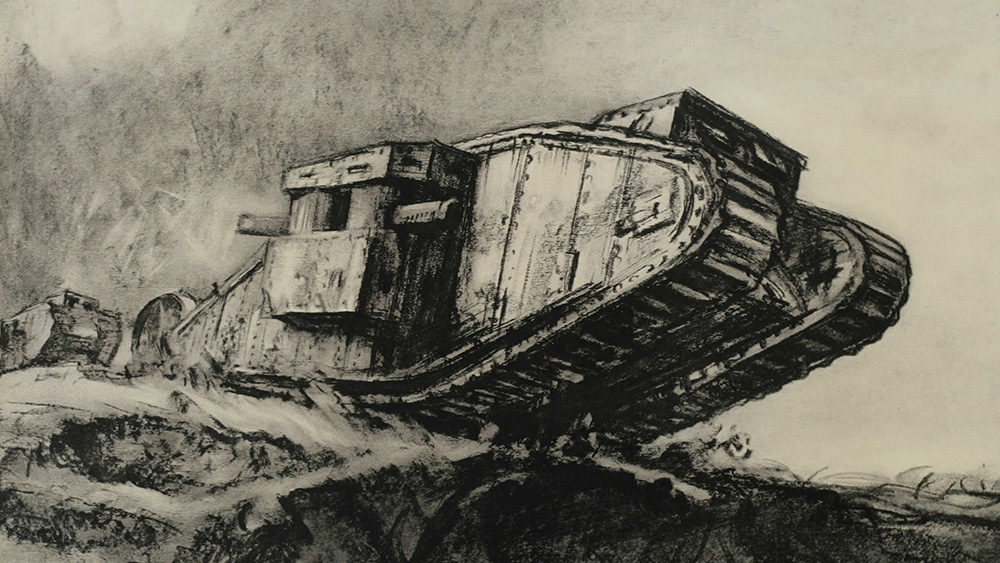
Lesson 7.2
Causes of the First World War
World War I began after the assassination of Archduke Franz Ferdinand of Austria. But his death was not the only cause. Explore how the ideas of the long nineteenth century pushed the world toward war.
View Lesson
Causation Activities and Resources
Causation: Introduction


Activity
Causation: Introduction
Was it really the straw that broke the camel’s back? Dig into cause and consequence through the tragic tale of Alphonse the Camel to see that historical events rarely have a single cause.
Causation: From Stars to New Elements

Activity
Causation: From Stars to New Elements
You’ve learned a lot about what star stuff gave us. Use that knowledge as you categorize the causes and effects of the birth and death of stars.
Causation: The Black Death

Activity
Causation: The Black Death
Thinking about both the causes and consequences of the spread of the Black Death will push you toward an understanding of the complex relationship between cause and consequence.
Causation: Migration


Closer
Causation: Migration
What do you think is the most important cause of early human migration? Use the Causation Tool to decide.
Recipe for a Revolution

Activity
Recipe for a Revolution
A dash of unrest here, a sprinkle of bad harvests there, tossed in with new ideas… It’s time to design a recipe for revolution.
Causation: World War II
Activity
Causation: World War II
Rarely do historical events have a single cause. World War II is no exception. In this activity, you’ll examine and evaluate the complex and entangled causes of war.
Causation and Climate Change Activities and Resources
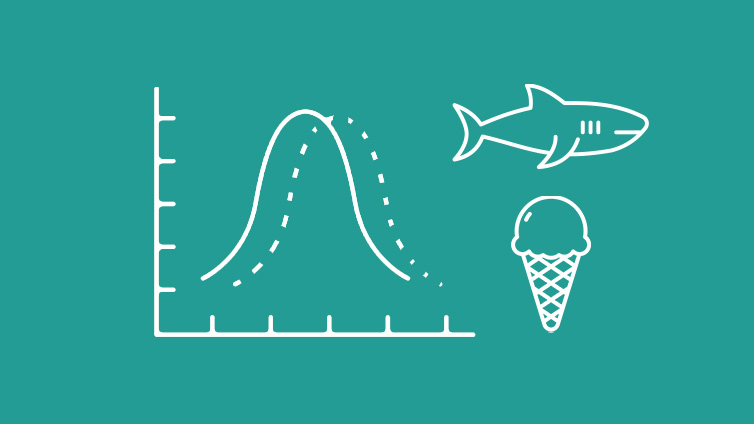
Correlation vs. Causation
Activity
Correlation vs. Causation
This exercise helps you understand the difference between correlation and causation and practice using them as tools to evaluate information.
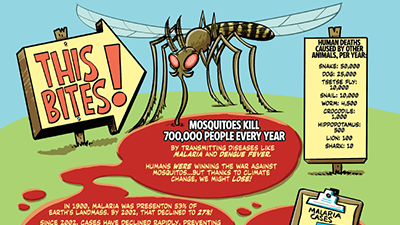
This Bites!

Infographic
This Bites!
Sharks? Snakes? Crocodiles? What’s the world’s deadliest pest, and how is climate change making it even stronger?
Climate and Health: What’s the Evidence

Activity
Climate and Health: What’s the Evidence
Use what you’ve learned in the infographic “This Bites!” and think about the many ways that climate change can make an existing threat worse.

Community: Ask, Connect, Share
Causation: Great War Mystery Activity
Join the conversation
7 Replies
MAIN Causes of WWI Flipbook for my WHPers
Join the conversation
9 Replies
WHP1200 / Lesson 1.1 Activity: Causation: Alphonse The Camel
Join the conversation
4 Replies