
World History: AP®
Welcome to the OER Project: World History AP® (WH AP) course! WH AP has a one-to-one alignment with the AP® World History: Modern Course and Exam Description (CED) and provides students with free articles, videos, source collections, and practice DBQ and LEQ prompts to help them succeed on the AP® exam. Did we mention that everything is free!

 Teaching World History AP

World History AP Outline
An outline of all course materials along with a pacing guide to help you find exactly what you need to plan your lessons.
World History AP® Syllabus
Lesson-by-lesson, see exactly how WH AP® aligns with the AP® World History: Modern CED. Pro tip: Turn in this syllabus to make the audit process a breeze!

World History AP Practice Progressions Placement
Quickly locate any and all of the historical thinking skills activities in this course.

World History AP FAQ
Quick answers to the most common questions about the AP course.
Teach Tomorrow: World History AP® Lessons
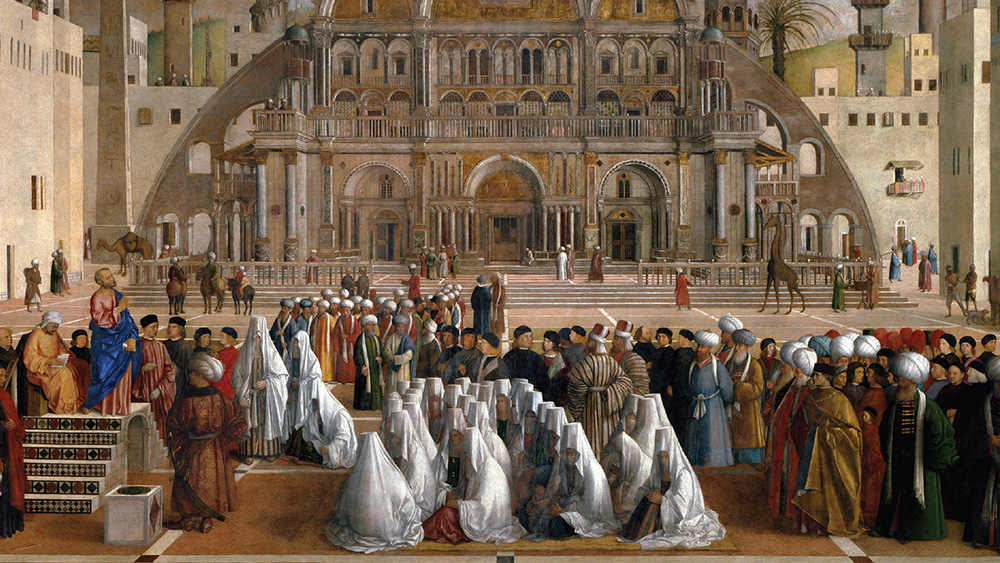
Lesson 2.5
Cultural Consequences of Connectivity
From 1200 to 1450 CE, Afro-Eurasian exchange networks shaped culture and diffused knowledge. Help students analyze and understand these cultural and intellectual changes.
View Lesson

Lesson 3.3
Empires: Belief Systems
Early modern rulers used shared beliefs to unify empires. Let’s examine how religious changes impacted Afro-Eurasian empires from 1450 to 1750 CE.
View Lesson
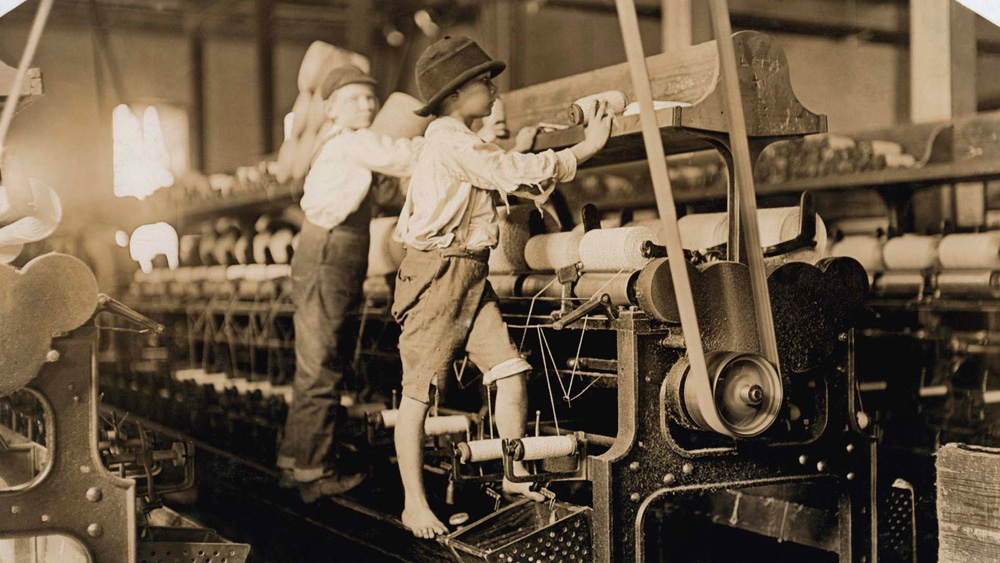
Lesson 5.9
Society and the Industrial Age
Industrialization increased demand for labor, drawing women and children into harsh jobs. Gender roles changed and calls for reform grew louder.
View Lesson
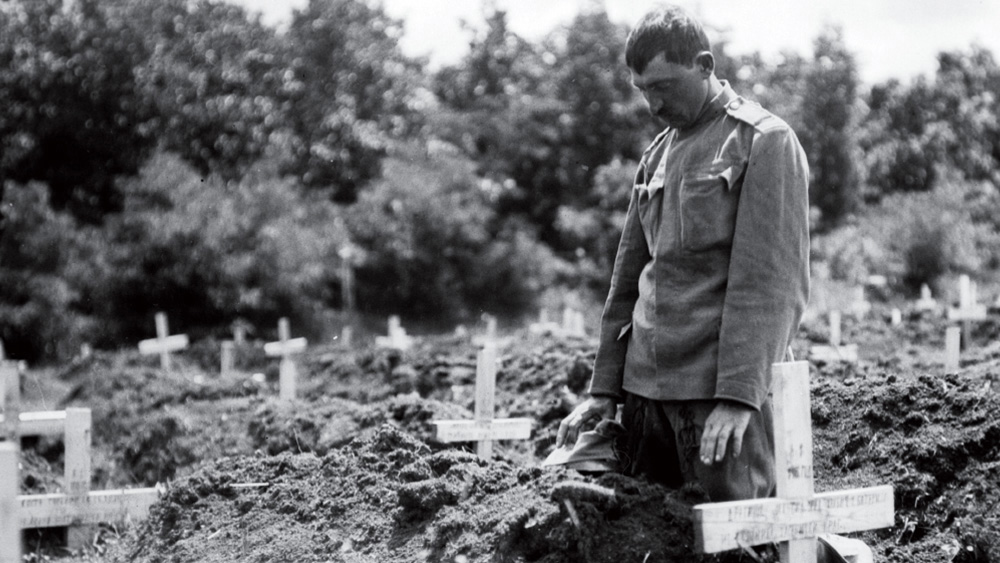
Lesson 7.3
Conducting World War I
The First World War began in Europe’s empires but quickly involved nations and colonies across the entire world. New weapons and massive mobilization made it the first truly global conflict.
View Lesson
World History AP Activities and Resources
Source Collection: Influence of Belief Systems in Afro-Eurasia c. 1200–1450 CE
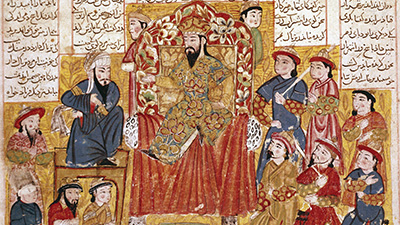

Article
Source Collection: Influence of Belief Systems in Afro-Eurasia c. 1200–1450 CE
Help students practice their sourcing skills as they focus on the themes of culture, governance, and economic systems.
Syncretic Beliefs
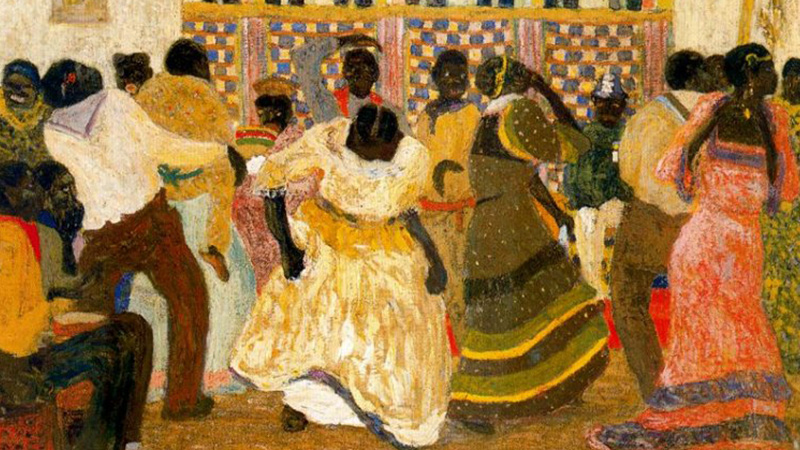
Article
Syncretic Beliefs
Indigenous Americans and Africans used syncretic beliefs to respond to European colonialism. The legacies of these changes can still be seen in the world today.
SAQ Practice: Unit 1


Closer
SAQ Practice: Unit 1
How do you ACE the SAQ portion of the AP® World History: Modern exam? Remember to Answer, Cite, and Explain!
Ibn Battuta
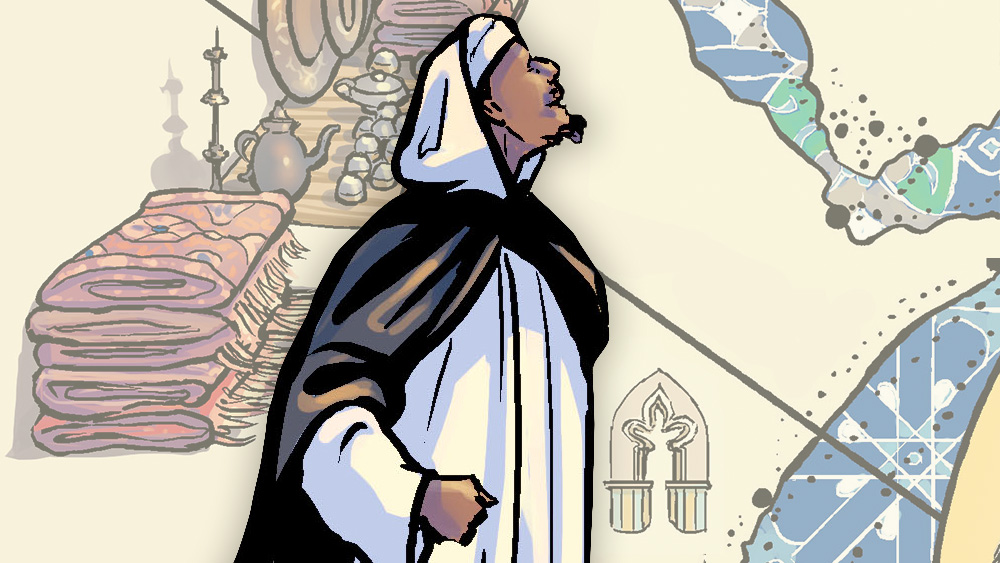

Graphic Biographies
Ibn Battuta
Ibn Battuta traveled across the entire breadth of Afro-Eurasia. His travels reveal a deeply interconnected Islamic world, from Morrocco to China.
Comparison: Empires
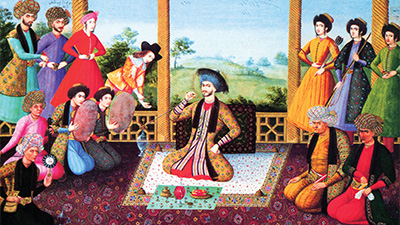

Activity
Comparison: Empires
Assess the similarities and differences of land-based empires to learn how empires functioned and why some lasted centuries while others collapsed more quickly.
Green Revolution

Video
Green Revolution
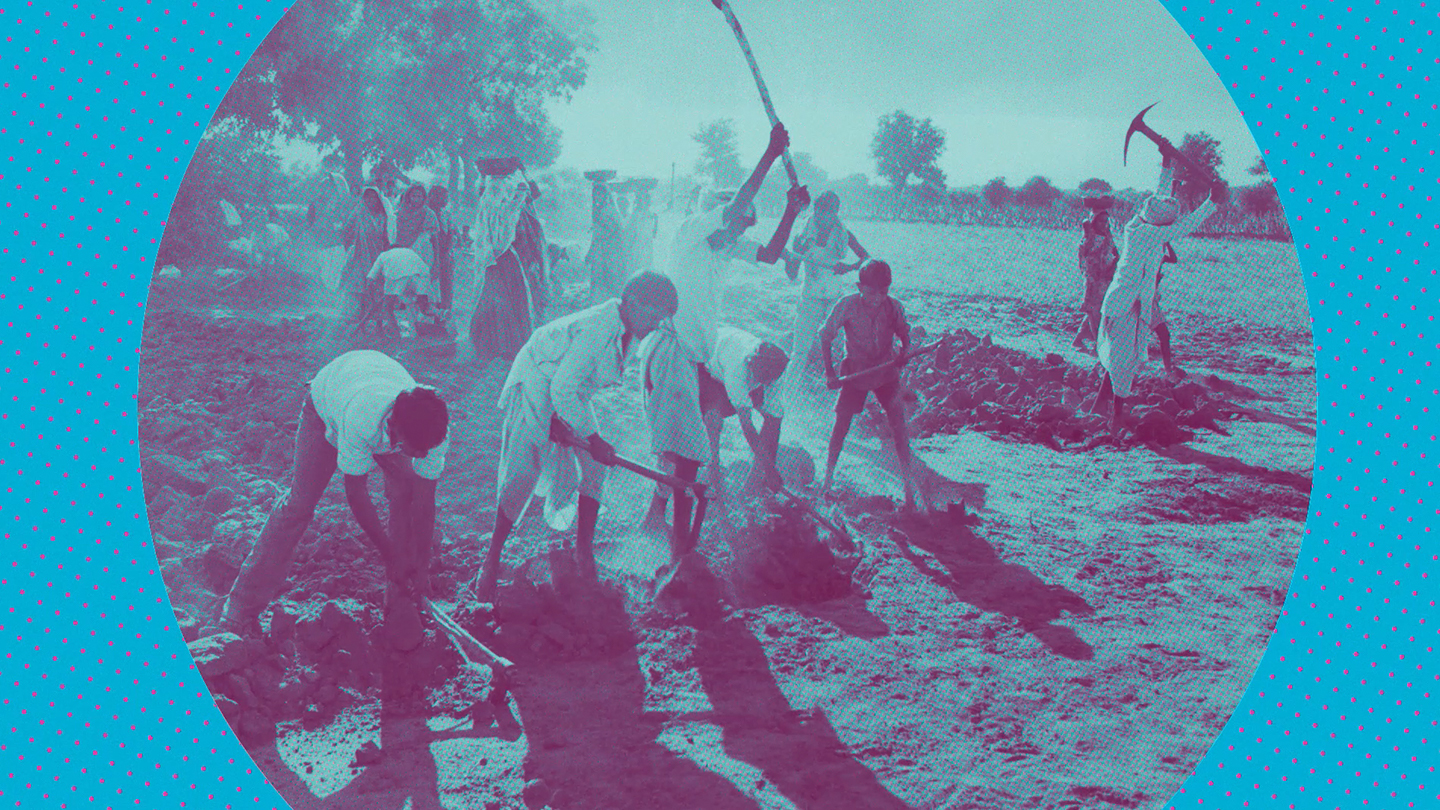
The Green Revolution’s new agricultural technology transfers aimed to reduce world hunger, but also politicized food and aid in ways that were sometimes controversial.
World History AP Writing Assessments
Unit 4 DBQ


Assessment
Unit 4 DBQ
Using the sources, develop an argument that evaluates the extent to which economic developments that occurred during the Age of Exploration impacted social structures over time.
Unit 6 LEQ
Assessment
Unit 6 LEQ
People found many different ways to respond to colonialism. Put all that knowledge to use and craft an argument evaluating various responses to colonialism.
Unit 9 DBQ
Assessment
Unit 9 DBQ
Using the sources, develop an argument that evaluates the extent to which globalization brought positive change for all people from c. 1900 to the present.

Community: Ask, Connect, Share
How Much Writing Do You Read? (Themes Notebook)
Join the conversation
9 Replies
Graphic Bio Bulletin Board
Join the conversation
3 Replies
APWH - OER Alignment
Join the conversation
3 Replies