
The Islamic World
The Middle Ages weren’t dark everywhere. The Islamic Golden Age was one of the greatest incubators of culture the world has ever known, producing remarkable scientific breakthroughs and wonders of architecture. Explore how this vibrant world of innovation became central to global history with these classroom-ready lessons and teaching materials.

 How to Teach the Islamic World: Tools for Teachers
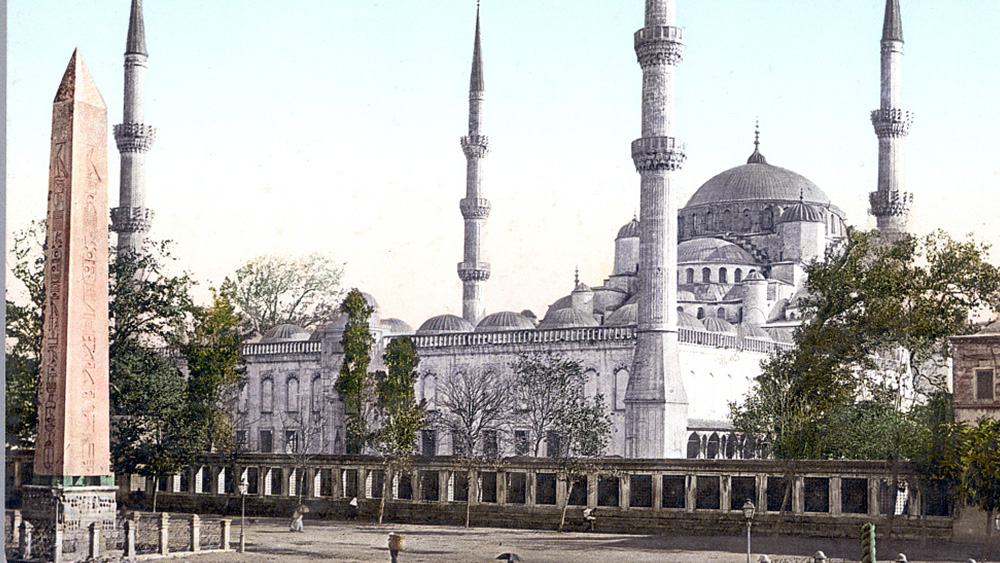

Maps Index
Use our maps to reveal the shape of the Islamic world. Check out the Spread of Islam map as well as nine world maps from 800 to 1650 CE to see how Dar al-Islam changed over time.

Blog: Teaching World History in Maps
Use several medieval Islamic maps of the world to help students analyze how maps reveal cultural perspective through time.

Graphic Biographies Guide
OER Project includes several graphic histories that will help your students see the diversity and scale of the Islamic world. Don’t miss the stories of Rumi, Rashid al-Din, Mawlay ‘Abd al-Malik, Ibn Battuta, and more!

Community Forum: Teaching Religions
Teaching about world religions like Islam can be challenging in any classroom. Check out this teacher conversation for some strategies that OER Project teachers use to navigate conversations.
Teach Tomorrow: Lessons on the Islamic World
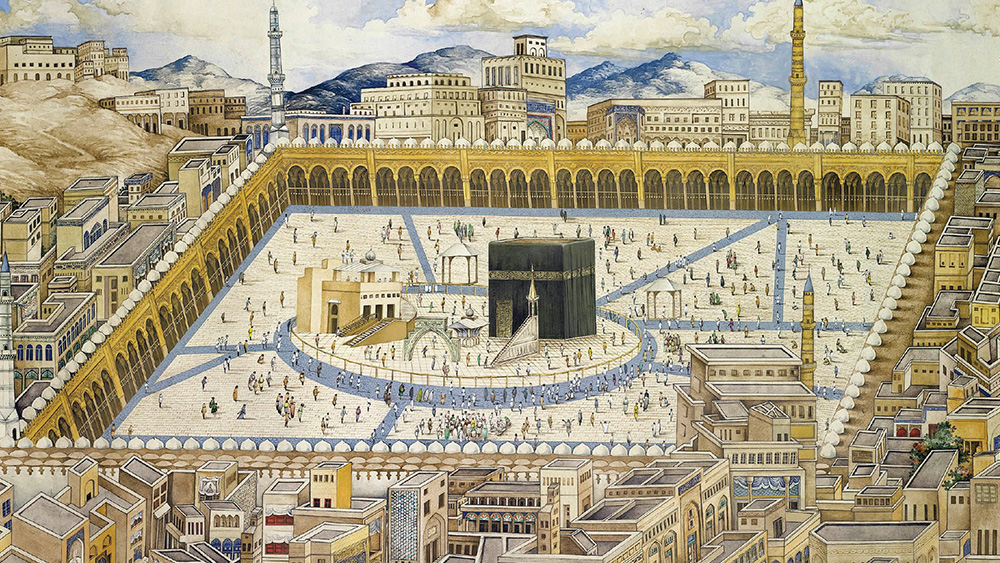
Lesson 2.3
Dar al-Islam
Muslim rulers controlled vast territories from West Africa to Indonesia, spreading a faith that united many very different cultures. Studying the Islamic world in this period outlines the historical context students need to study this era of empires.
View Lesson
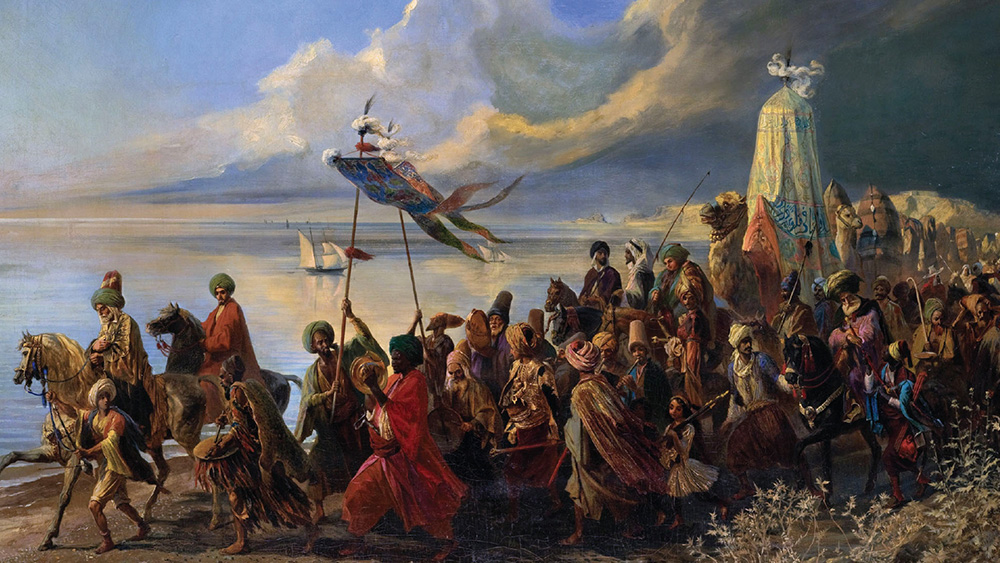
Lesson 5.5
The Islamic World
Islam spread quickly across Afro-Eurasia through trade, conquest, and cultural interactions. Explore how this expansion shaped communities and transformed global networks.
View Lesson
Dar al-Islam Activities and Resources for Deeper Learning
Dar al-Islam

Article
Dar al-Islam
In the thirteenth century, the Islamic golden age ended with the political fragmentation of the Abbasid caliphate. However, Islam as a belief system emerged stronger than ever.
Claim Testing: The Islamic World


Activity
Claim Testing: The Islamic World
As Islam spread, so too did the power of Islamic leaders and the influence of Islamic merchants. Sharpen your claim-testing skills by evaluating several claims about the Islamic World.
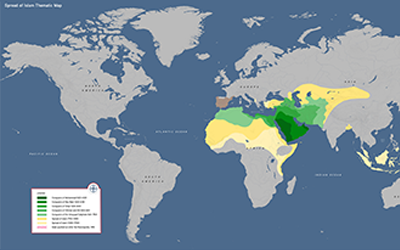
Spread of Islam Thematic Map

Map
Spread of Islam Thematic Map
This map shows the expansion of Islam as a world religion, from the conquests of Muhammad in the seventh century to the eighteenth century.
Ibn Battuta

Graphic Biographies
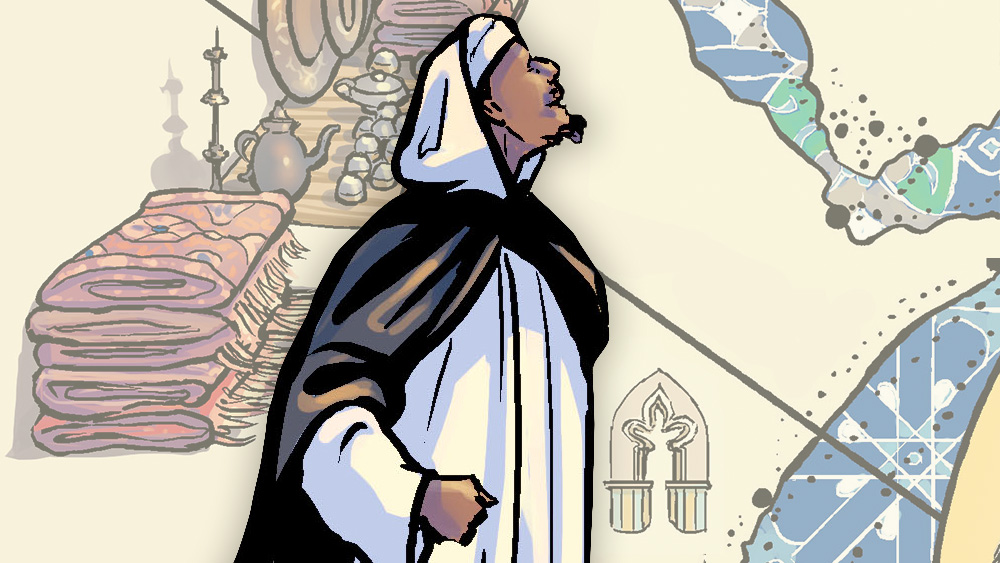
Ibn Battuta
Ibn Battuta traveled across the entire breadth of Afro-Eurasia. His travels reveal a deeply interconnected Islamic world, from Morrocco to China.
Traveler Accounts

Activity
Traveler Accounts
Use these primary sources from travelers like Marco Polo and Ibn Battuta to reveal details of the Islamic world and how different people experienced it on their travels.
Lion of the Sea
Article
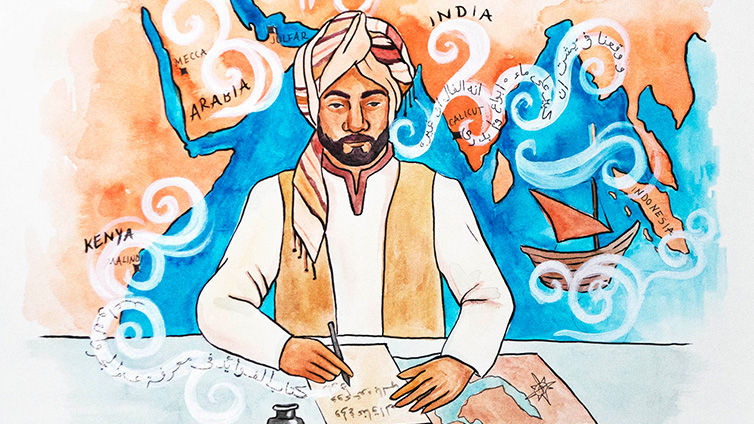
Lion of the Sea
Being a great sailor requires a lot of knowledge. Read how this great navigator relied on Islamic innovations in navigation and astronomy.