Transoceanic Connections

Driving Question: How did transoceanic connections transform global economic systems and societies in different parts of the world?
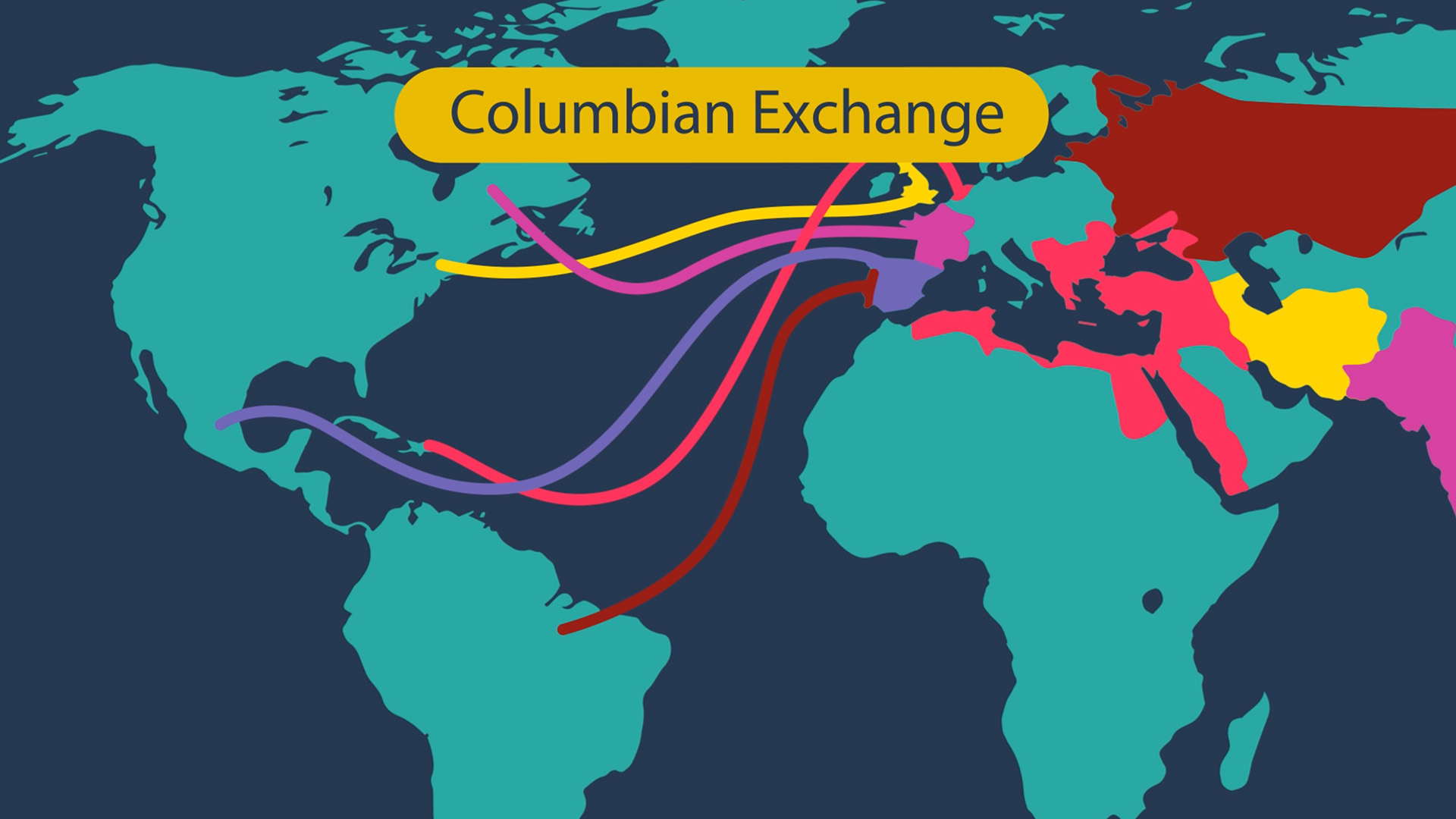
Before 1492, long-distance trade networks connected societies all around the world. Yet, Oceania, the Americas, and Afro-Eurasia remained separate from each other. After 1492, these regions linked to form the first global network. New Oceanic empires crossed oceans, moving people, plants, animals, goods, and diseases to new places. This movement, which reshaped the world, is known as the Columbian Exchange.
Learning Objectives:
- Evaluate the historical narrative of expanding networks and the formation of a new global age.
- Explain how transoceanic connections linked communities after 1492 CE.
- Identify the major changes and continuities in the three frames from 1450 to 1750 CE.
Vocab Terms:
In this lesson, you’ll learn about transoceanic connections. This activity will give you a glimpse into what’s ahead—get ready to think about those new ideas!
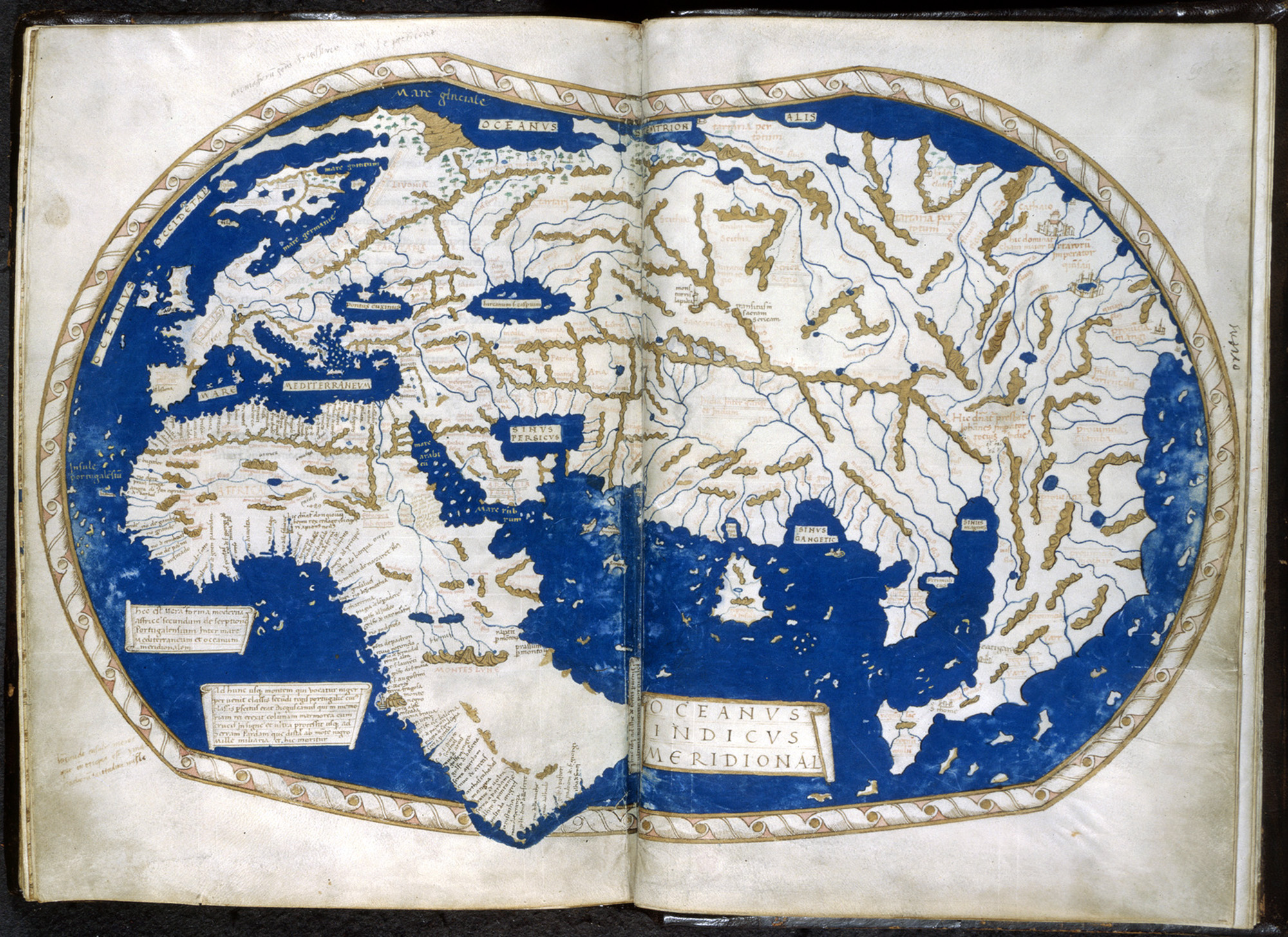

Agree or disagree? Evaluate some statements before you dive into Unit 3—then see how accurate you were when you get to the end of the unit.


Today, the global economy is all around us. The video and article below will help you understand how these global connections began over 500 years ago.
-
Guiding Questions
-
Guiding Questions
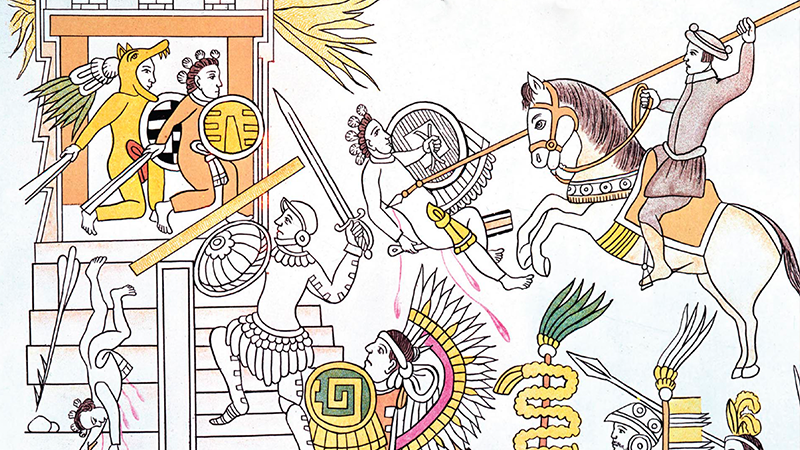

OER Project: World History uses three frames to help students make sense of what they’re learning: communities, networks, and production and distribution. In the first lesson of every unit, students will find a paired frames-related video and activity, like this one. If you need a reminder of the three frame narratives used in this course, check out our Frames Guide.
This video and activity will help us use the frames to evaluate the impacts of the first global networks between Afro-Eurasia and the Americas.
-
Guiding Questions

A lot changed from 1450 to 1750. How do you think people’s sense of the world changed in these three centuries?



Provide sentence starters: Provide the words and phrases students might use to start off a paragraph or sentence. Consider posting these prominently in your classroom. Some examples are:
- This essay discusses...
- In this essay/paper...
- Emphasized are...
- For instance...
- Rather...
- In contrast to...
- Eventually...
- Finally...
- As a result of...
Using either your own DBQ essay from Unit 2 or a sample essay, evaluate how well the writing shows claim and focus.