Industrialization in Egypt and Japan

Driving Question: What were the intended and unintended effects of industrialization in Egypt and Japan?
While the Industrial Revolution started in the late eighteenth century, not all societies industrialized at once. All around the world, different factors such as access to resources and colonialism enabled some societies to industrialize faster and more efficiently than others. In this lesson, you will compare two societies that began the process of industrialization in the late nineteenth century.
Learning Objectives:
- Evaluate how industrialization spread.
- Use the historical thinking skill of comparison to explore how two different nations attempted to industrialize in the nineteenth century.
- Use a graphic biography to support, extend, or challenge the overarching narratives of this period.
The Industrial Revolution was undeniably transformative—but it also came with unexpected consequences. Get ready to dive deeper by reflecting on what you already know and looking ahead to what’s next.


Did you know: Baseball’s extraordinary popularity in Japan led some schools to ban it and the government to pass restrictions in the 1930s to deal with student obsession with the sport. Teachers and officials worried that baseball was hurting academics, with students skipping class, staying in school extra years to play, and treating baseball as their most important subject. Let your students know that one of the impacts of the Meiji Restoration included teenagers choosing baseball over schoolwork.
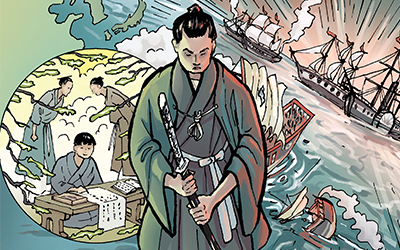
If you want to move beyond the “Japan modernized successfully” story, you can share this: The Meiji state industrialized fast, but often through top-down reform, heavy taxation, military expansion, and the sacrifice of older social orders. The Iwasaki Yatarō graphic biography is a nice way to show that industrialization created winners and losers. He was among the new business elites, such as the future founders of zaibatsu firms (Mitsubishi, for example). These were large, family-controlled industrial organizations that dominated Japan’s economy until 1945.
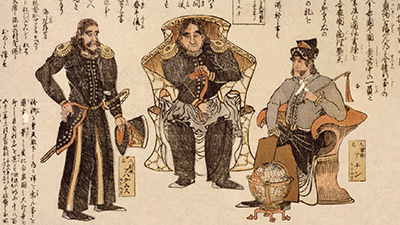
Japan’s path to industrialization was unlike any other. Read the article and watch the video to discover what made it unique. Then take a closer look at one key figure through a graphic biography.
-
Guiding Questions

-
Guiding Questions

-
Guiding Questions

Need to cover the important skill of historical comparison but feeling a little pressed for time? Read more on the comparison of Egypt and Japan in the Community Forum.
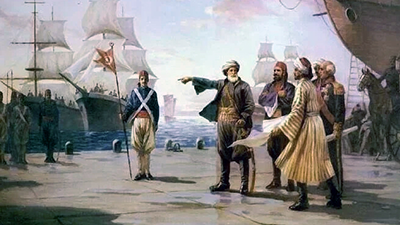
How did industrialization take different forms around the world? Explore Egypt’s unique path in the article, then compare what you’ve learned about Egypt and Japan in the activity.
-
Guiding Questions


Time to revisit your Unit Notebook. What’s new? What’s stayed the same?