
Resisting Colonialism
Colonialism sparked powerful movements of resistance across the globe. These free lessons will help you explore how individuals and communities challenged imperial rule and fought for autonomy. Students examine diverse forms of resistance—from organized revolutions to cultural survival—while developing critical thinking skills and historical context for today’s global struggles.

 How to Teach Resisting Colonialism
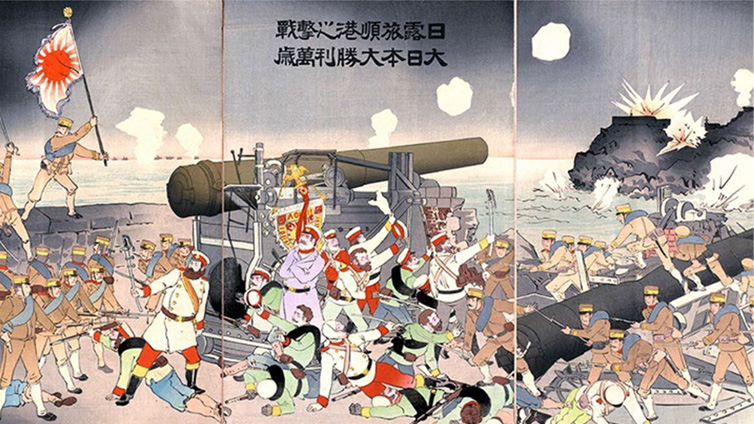

Blog: The Cherokee Republic as Indigenous Resistance
Learn how Native peoples responded to colonization by establishing a state with complex governing bodies, and guide students to analyze the effectiveness of this form of resistance.

Teaching Resistance through Continuity and Change Over Time
Teachers share ideas to engage students in historical thinking about resistance to colonization with examples from their own classrooms.

Graphic Biographies
Explore the stories of individuals who resisted colonialism through graphic bios, and teach students to make meaning of these unique visual texts.
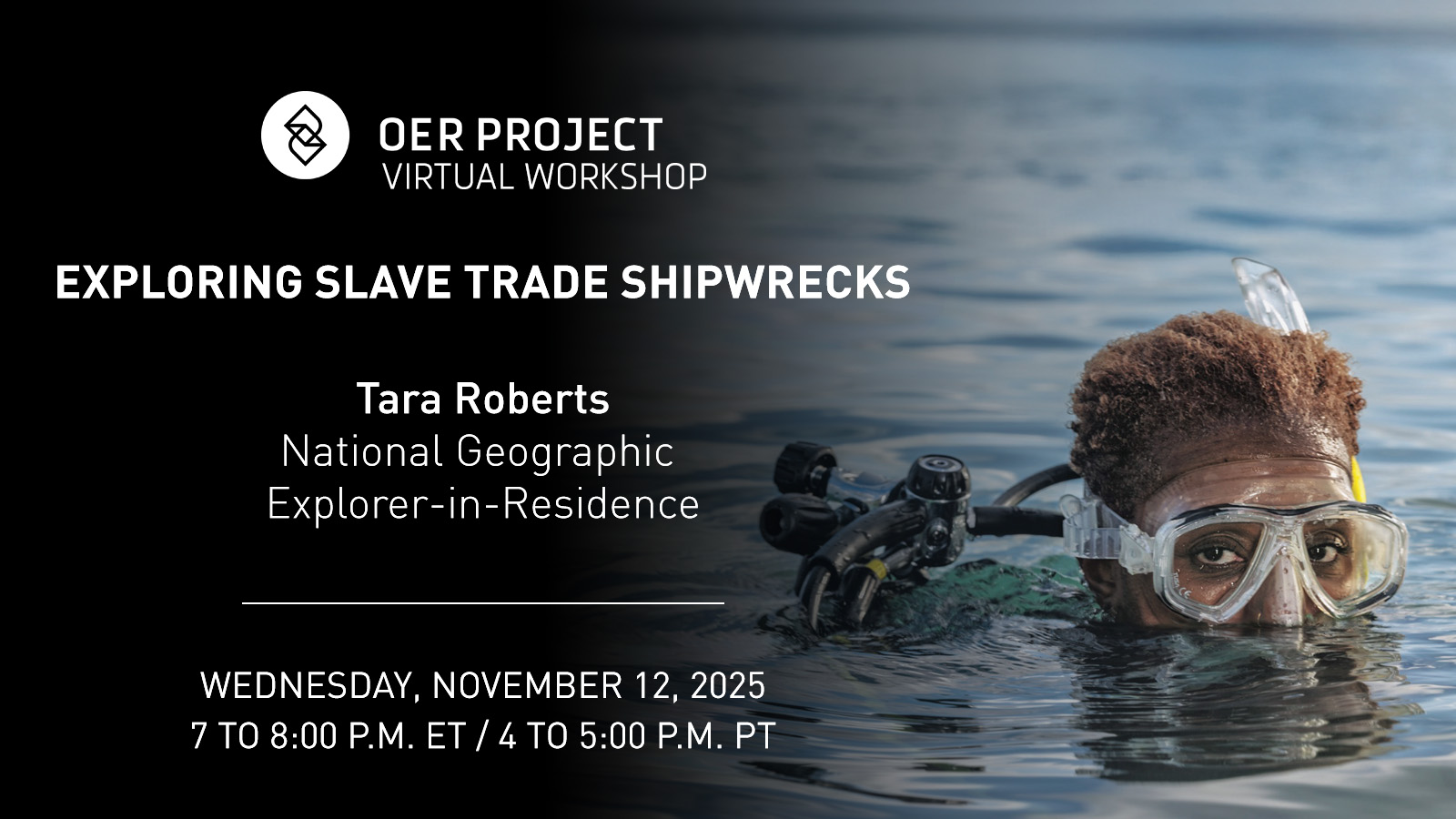
PD Video: Exploring Slave Trade Shipwrecks
National Geographic Explorer Tara Roberts shares uncovered shipwrecks from the transatlantic slave trade. Find the video in our Big Ideas collection.
Teach Tomorrow: Lessons on Resisting Colonialism

Lesson 5.5
Resisting Colonialism in Ghana and India
In Ghana and India, resistance emerged even when it seemed impossible to challenge colonial power. Rebellion, leadership, and courage shaped these struggles—and continue to shape how they are remembered today.
View Lesson
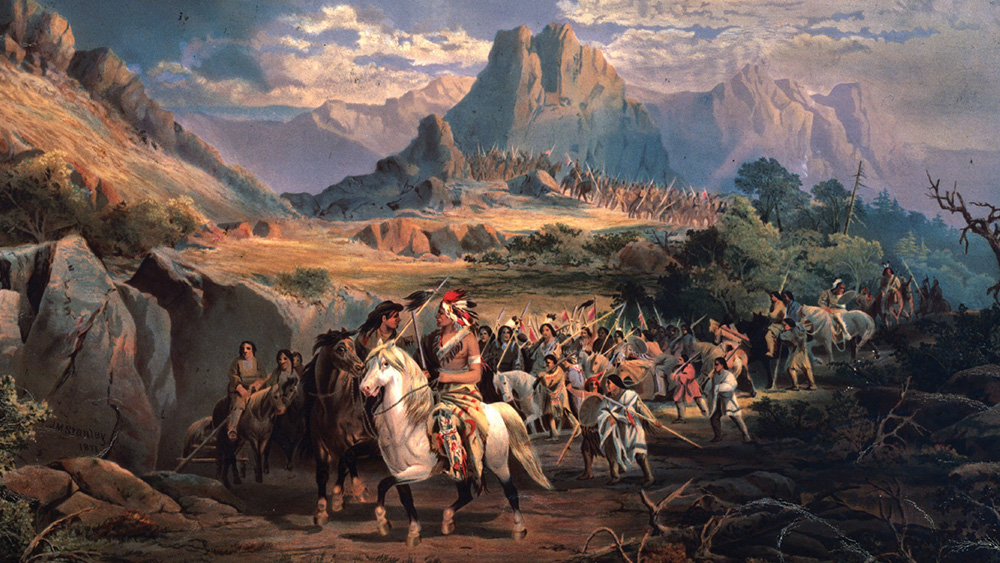
Lesson 6.3
Indigenous Responses to State Expansion from 1750 to 1900 CE
Use this lesson to guide students through the many strategies that colonized people employed to survive new systems of colonial control.
View Lesson
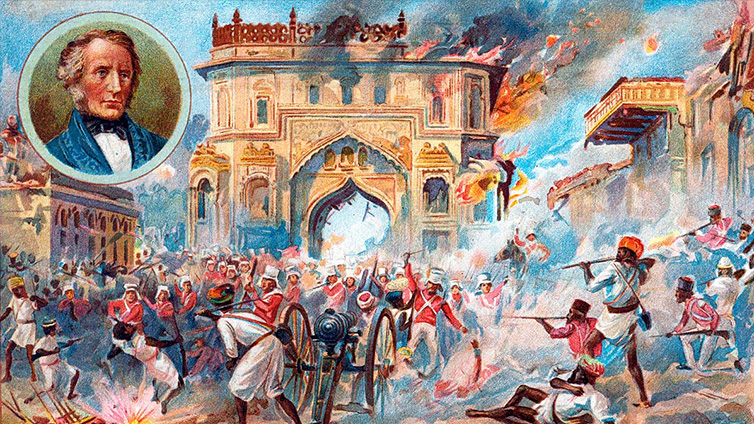
Lesson 7.10.3
Resistance in India
This article and graphic biography introduce students to one of the methods that colonized peoples used to resist colonialism—violent revolts.
View Lesson
Resisting Colonialism Activities and Resources
Causation: Indian Uprising


Activity
Causation: Indian Uprising
In this activity, students will analyze the causes of the 1857 Indian uprising to investigate how and why this rebellion took place when and where it did.
Forms of Resistance

Activity
Forms of Resistance
Indigenous Americans responded to European colonization in many ways. In this activity, you’ll categorize and evaluate some of their methods of resistance.
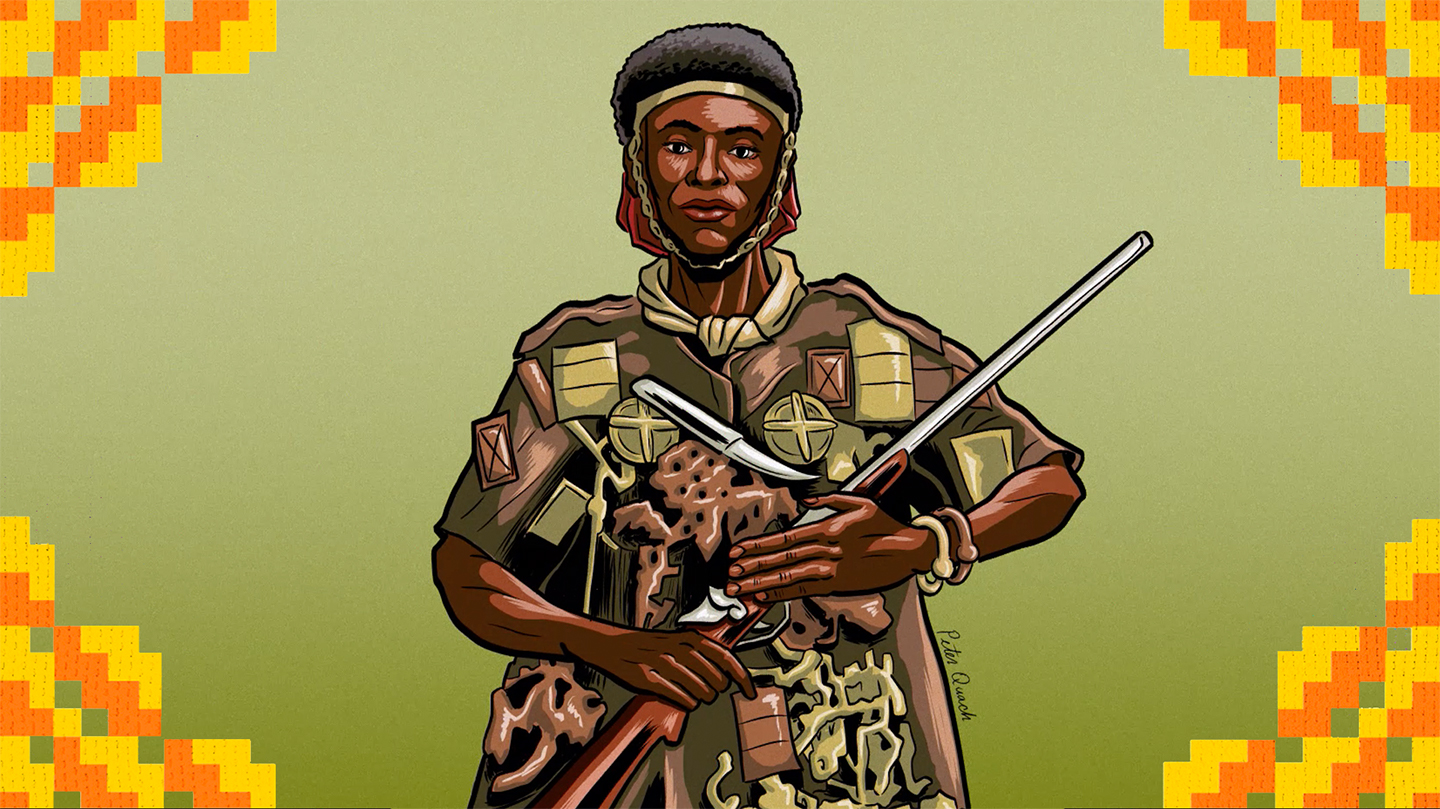
How Ghana Fought Against Colonialism

Video
How Ghana Fought Against Colonialism
In this video, we look at some episodes of resistance from Ghana—the British Gold Coast Colony—under the leadership of Yaa Asantewaa and later Kwame Nkrumah.
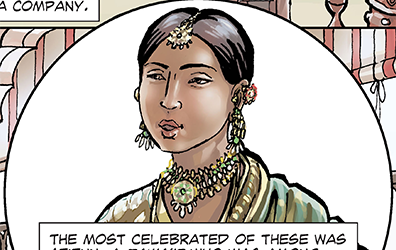
Azizun of Lucknow

Article
Azizun of Lucknow
Azizun was a nineteenth-century courtesan who became a resistance leader in India’s 1857 uprising. Her story shows how women defied colonial rule.
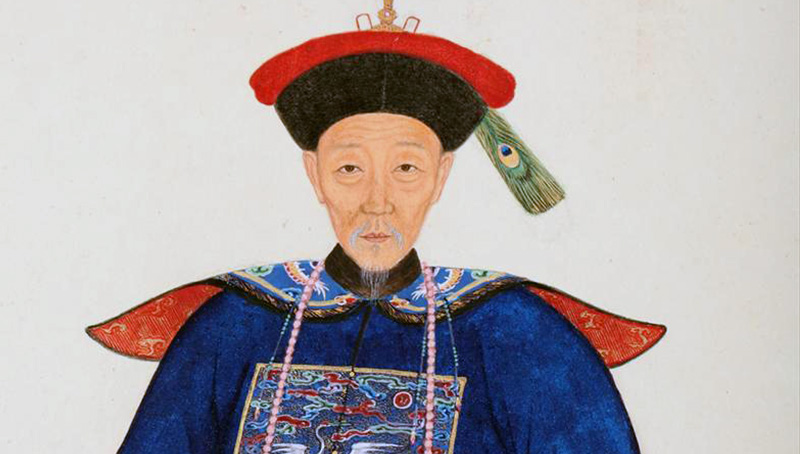
Source Collection: Indigenous Responses to State Expansion
Article
Source Collection: Indigenous Responses to State Expansion
How did Indigenous people respond to increased imperial expansion? Read about these responses and compare how different societies tried to counteract this expansion.
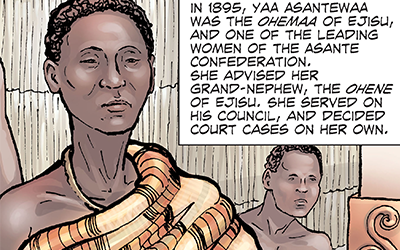
Yaa Asantewaa, Queen Mother of Ejisu

Graphic Biographies
Yaa Asantewaa, Queen Mother of Ejisu
Yaa Asantewaa, the Queen Mother of Ejisu in Asante, was a leader of resistance to British conquest. Her actions demonstrate one strategy of resistance to colonialism.