
The Scientific Revolution
The Scientific Revolution was a transformation in scientific thinking during the sixteenth and seventeenth centuries. Thinkers including Nicolaus Copernicus, Galileo Galilei, Johannes Kepler, and Isaac Newton challenged older ideas through mathematics, observation, and experimentation. Explore lessons and activities that help students investigate heliocentrism, the scientific method, and the global foundations of modern scientific thought.

 How to Teach the Scientific Revolution

World History Lesson Guide: The Scientific Revolution
How revolutionary was the Scientific Revolution? Help students question the foundations of the Scientific Revolution.
World History AP Lesson Guide: Technological Innovations from 1450 to 1750 CE
Connect the dots between scientific innovations in Afro-Eurasia and the dawn of the global age. Get teacher guidance on identifying patterns of trade and analyzing primary sources with students.
Reading Strategies
Teacher moves so you and your students can get the most meaning out of texts about the Scientific Revolution.

Blog: How Historians Find Their Sources
Give students the inside view into how historians find the sources they need to fuel their research.
Scientific Revolution Lesson Plans
Free lesson plans, complete with sample answers, activity instructions, and teaching tips and tricks.
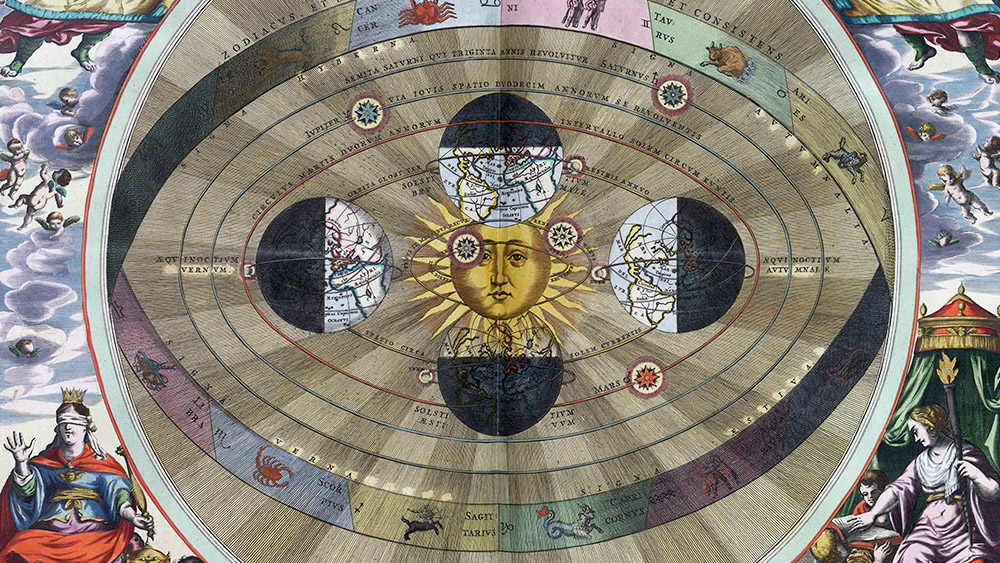
Lesson 3.10
The Scientific Revolution
In the sixteenth and seventeenth centuries, people started to question long-standing beliefs about the planets, nature, and the human body. Ancient theories that people had believed for centuries about the movement of planets and the causes of disease were soon overthrown. Were these new ways of thinking really revolutionary?
View Lesson
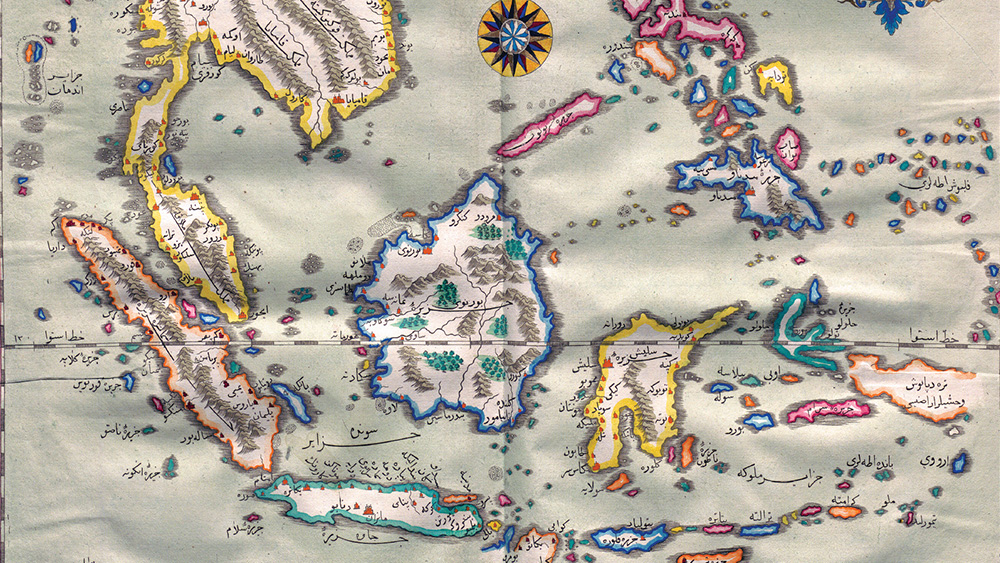
Lesson 4.1
Technological Innovations from 1450 to 1750 CE
European exploration relied on Afro-Eurasian scientific advances, technology, and trade. Explore how centuries of knowledge sparked the first global age.
View Lesson
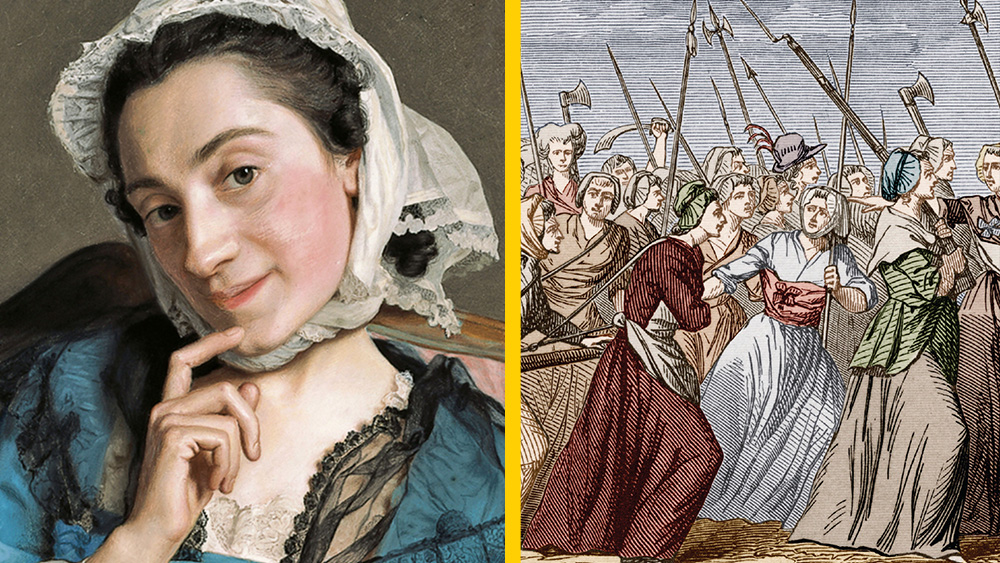
Lesson 7.2
Enlightenment and Revolution
Discover the ways Enlightenment thinkers challenged old ideas and inspired revolutions that reshaped politics, rights, and society across the globe.
View Lesson
Scientific Revolution Teaching Resources
The Scientific Revolution might have started in Europe, but its roots were global. These materials will help your students learn the fundamentals and question the foundations.
What Was the Scientific Revolution?
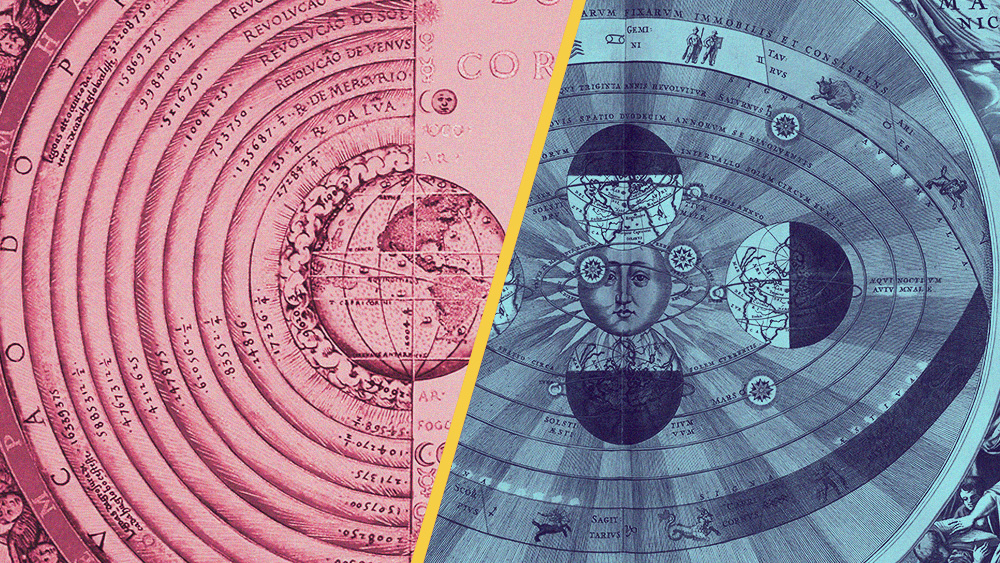

Article
What Was the Scientific Revolution?
Did science begin in the Scientific Revolution? Meet the thinkers who shook the foundations of European scientific thought and discover how they built upon the work of previous scholars.
The Scientific Revolution: Where Did Science Come From?
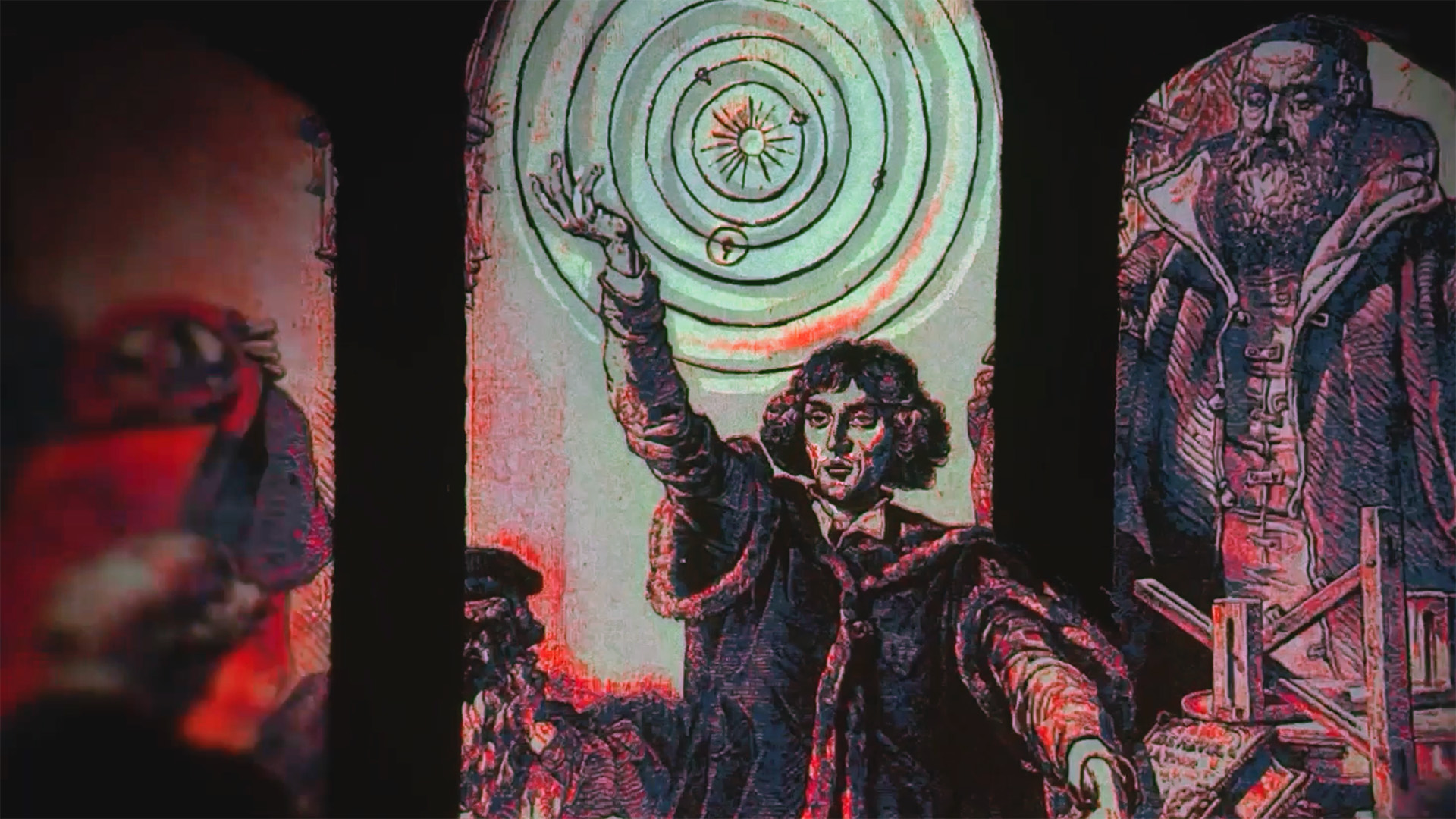

Video
The Scientific Revolution: Where Did Science Come From?
The roots of Europe’s Scientific Revolution extend further back than you might think. Use this video to explore the history of science in a global context.
Weird Science
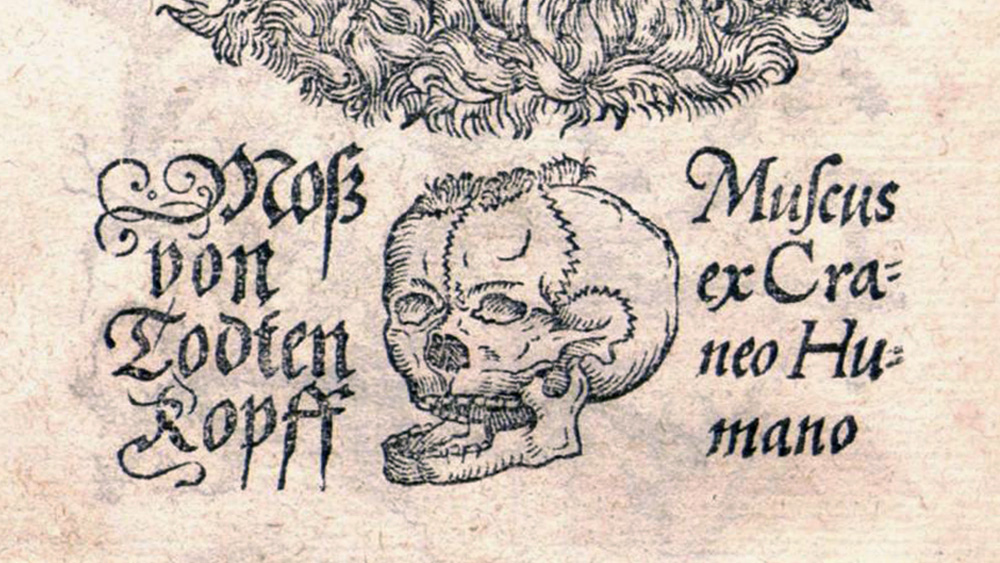
Article
Weird Science
Human urine, powered mummies, and stolen cadavers. The Scientific Revolution got really weird. Check out how this macabre history created science.
Scientific Revolution Quote Matching


Activity
Scientific Revolution Quote Matching
The Scientific Revolution wasn’t one ah-ha moment, it was a centuries-long quest to advance knowledge. Match the words of some legendary scientists to their accomplishments.
Was There Science Before the Scientific Revolution?

Activity
Was There Science Before the Scientific Revolution?
What criteria are essential for science? Write your own definition for the term science, and decide if scientific experimentation and observation existed before the Scientific Revolution.
Athanasius Kircher’s Quest to Know Everything

Graphic Biographies
Athanasius Kircher’s Quest to Know Everything
Many important discoveries have come from the mistakes of scholars like Athanasius Kircher, who showed us that scientific progress doesn’t always happen in a straight line.
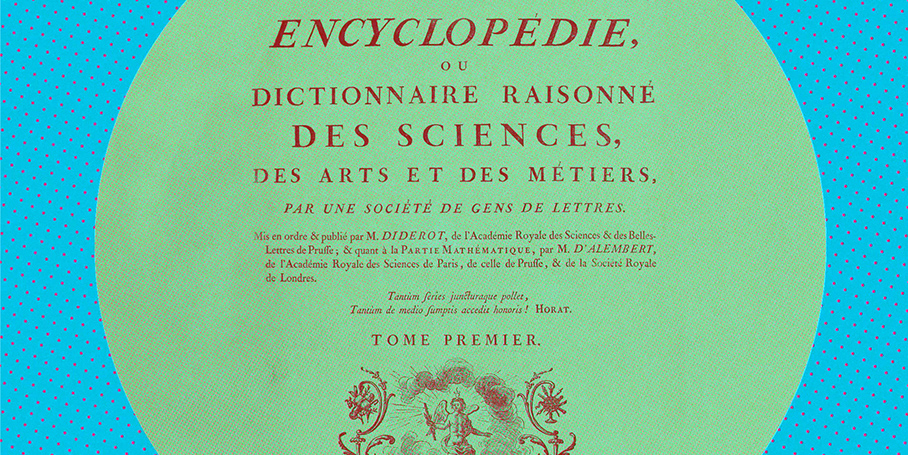
Diderot’s 1750 Encyclopedia
Video
Diderot’s 1750 Encyclopedia
Diderot’s Encyclopedia was a work produced through the massive effort of many authors and thinkers. It attempted to catalog human knowledge and reimagine the world.
Taking Root: Ibn Bassal

Graphic Biographies
Taking Root: Ibn Bassal
As Islam grew and connected parts of Afro-Eurasia, ideas and information spread. This scholar and expert botanist developed techniques that transformed agriculture in this region.
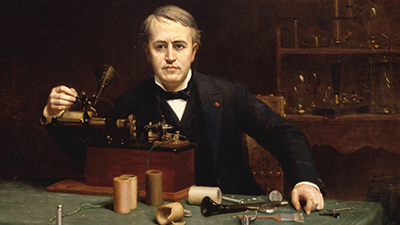
Innovations and Innovators of the Industrial Revolution
Article
Innovations and Innovators of the Industrial Revolution
The Scientific and Industrial Revolutions were fueled by technological innovations—and innovators—that changed the world.
Global Roots of the Scientific Revolution
The Scientific Revolution rested on centuries of knowledge from around the world. This series of illustrated articles examines how Muslim scholars advanced scientific thought centuries before the European Scientific Revolution.
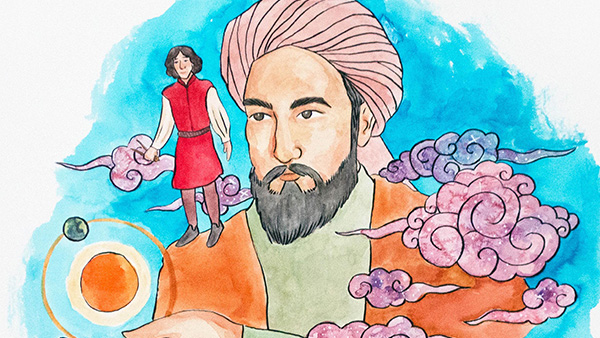
Standing on the Shoulders of Invisible Giants
Article
Standing on the Shoulders of Invisible Giants
Saying “Invisible giants are responsible for scientific breakthroughs” doesn’t sound very scientific, but trust us: you’ll get it once you read this article.
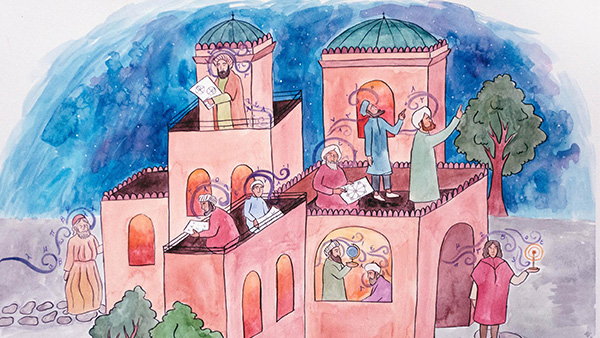
The Maragha Observatory
Article
The Maragha Observatory
The Scientific Revolution conjures up the names of some European scientific heavyweights. But there were many invisible giants who helped science progress.
Thank You for Algebra: Muhammad Ibn Musa al-Khwarizmi
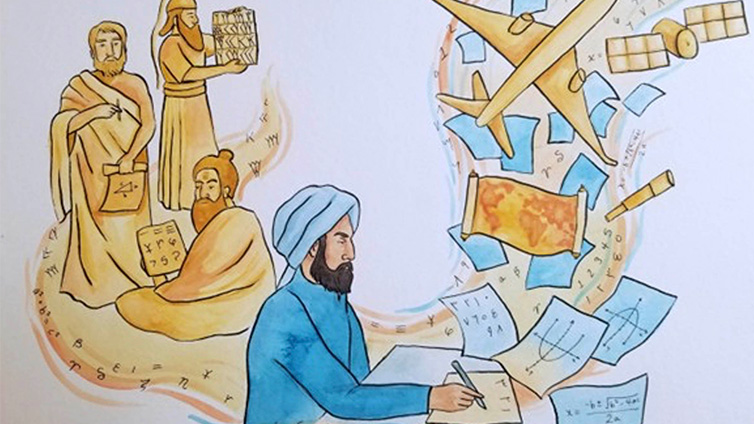
Article
Thank You for Algebra: Muhammad Ibn Musa al-Khwarizmi
This Muslim mathematician built on ancient ideas and offered new approaches to mathematics that we still rely on today.
Jābir ibn Ḥayyān
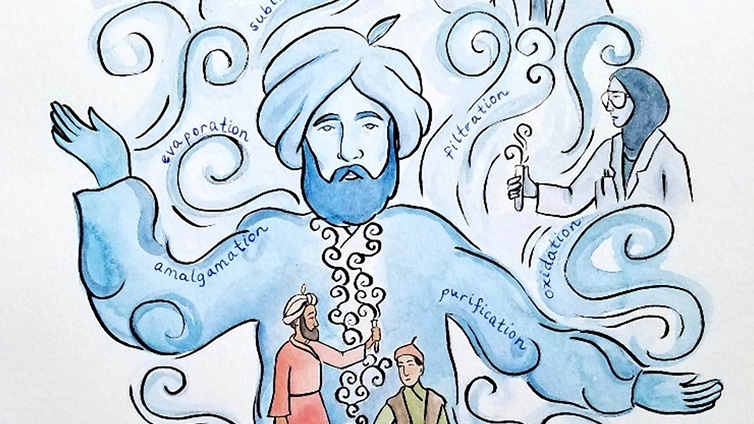
Article
Jābir ibn Ḥayyān
Whether accomplished by an individual or a collection of people, Jābir Ibn Hayyān’s work with chemical substances was an inspiration and guide for the creators of chemistry who followed.
The Universe Through a Pinhole
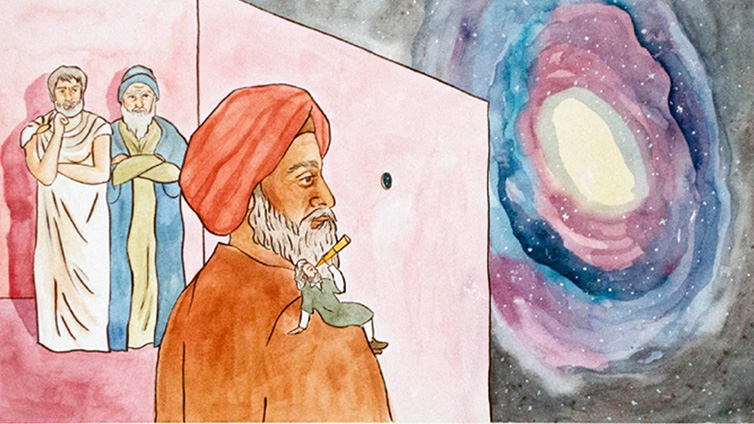
Article
The Universe Through a Pinhole
Hasan Ibn al-Haytham revolutionized our understanding of how light moves through the Universe and how we see it. He urged people to question ancient knowledge.
Lion of the Sea
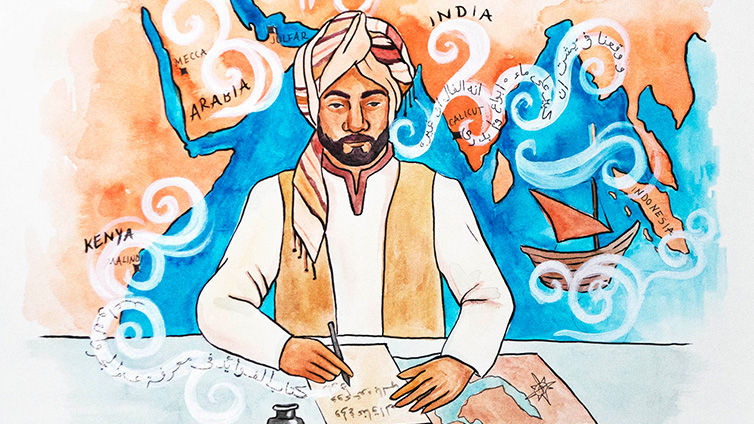
Article
Lion of the Sea
Being a great sailor requires a lot of knowledge. Read how this great navigator relied on Islamic innovations in navigation and astronomy.