
Industrial Revolution

 How to Teach the Industrial Revolution


Blog Post: The Industrial Revolution: Unlocking the Modern World
Coal fired Manchester; Gulf oil built Abu Dhabi. Use those lived parallels to hook students on how the Industrial Revolution still shapes work, cities, and global power today.

Big History Lesson Guide: Industrial Revolution
Students investigate how new technologies and energy sources fueled industrialization and reshaped societies worldwide. The teaching guide provides structure for examining the origins, scale, and lasting impact of the Industrial Revolution.
Historical Thinking Skill: Causation
Guide students to use their causation skills to determine why industrialization began in Europe.

Using AI to Assess Child Labor and the Industrial Revolution
Check out teachers’ ideas for using AI to spark students’ thinking about primary- source images of child labor in the Industrial Revolution.
Lessons Plans on The Industrial Revolution
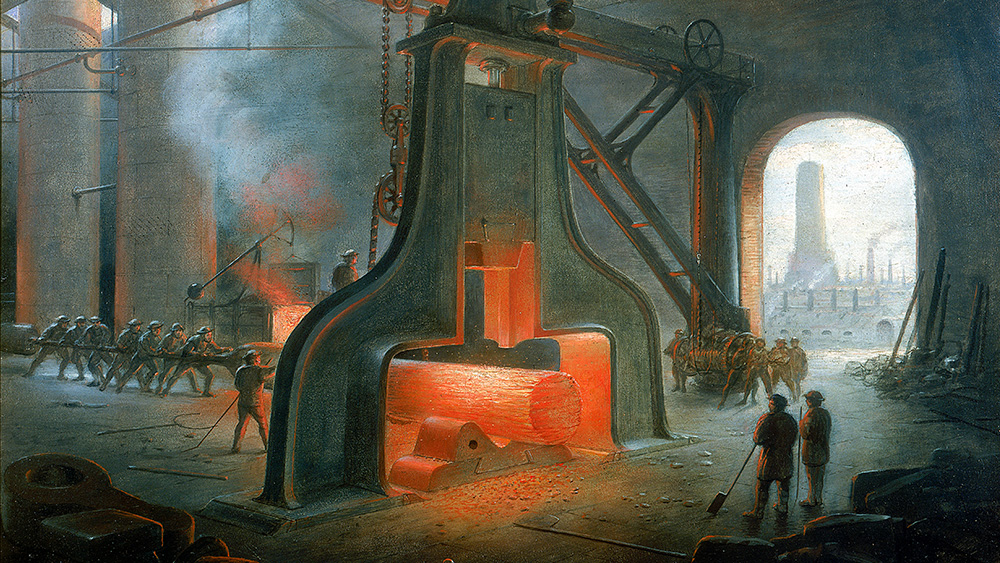


Industrial Revolution Activities and Resources for Deeper Learning


Igniting Industry


Origins of the Industrial Revolution

Geography: Industrialization Mystery


The Global Transformations of the Industrial Revolution

Images of the Industrial Revolution

Industrialization and Migration
Writing Assessments for Teaching the Industrial Revolution


Pre-Writing: Industrialization in the Long Nineteenth Century
DBQ Source Summaries: Industrialization in the Long Nineteenth Century
Writing: Industrialization in the Long Nineteenth Century
The Industrial Revolution and Climate Change
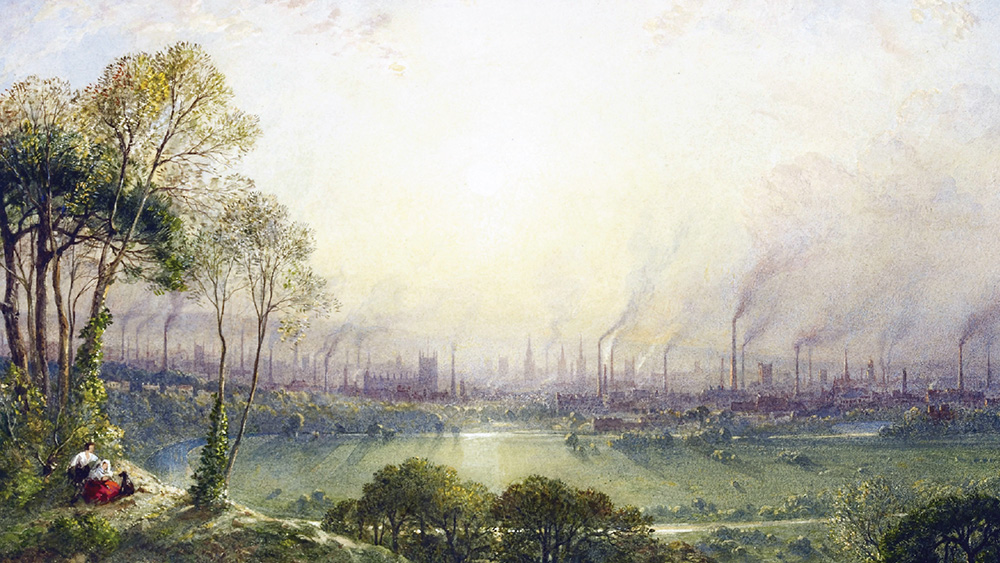

Article: The Industrial Revolution and Climate Change
The Industrial Revolution ushered in a new era: one of unprecedented economic growth, but also one of human-caused environmental destruction.

Activity: Urbanization Game
This game will introduce you to the concept of urbanization both as a shift in demographics and as a shift in the physical environment.

Community: Ask, Connect, Share
Child Labor and Industrial Revolution
Industrial Revolution Fun!
Industrialization (1750/Unit 3)