World War II: Causes

Driving Question: What were the causes of the Second World War?
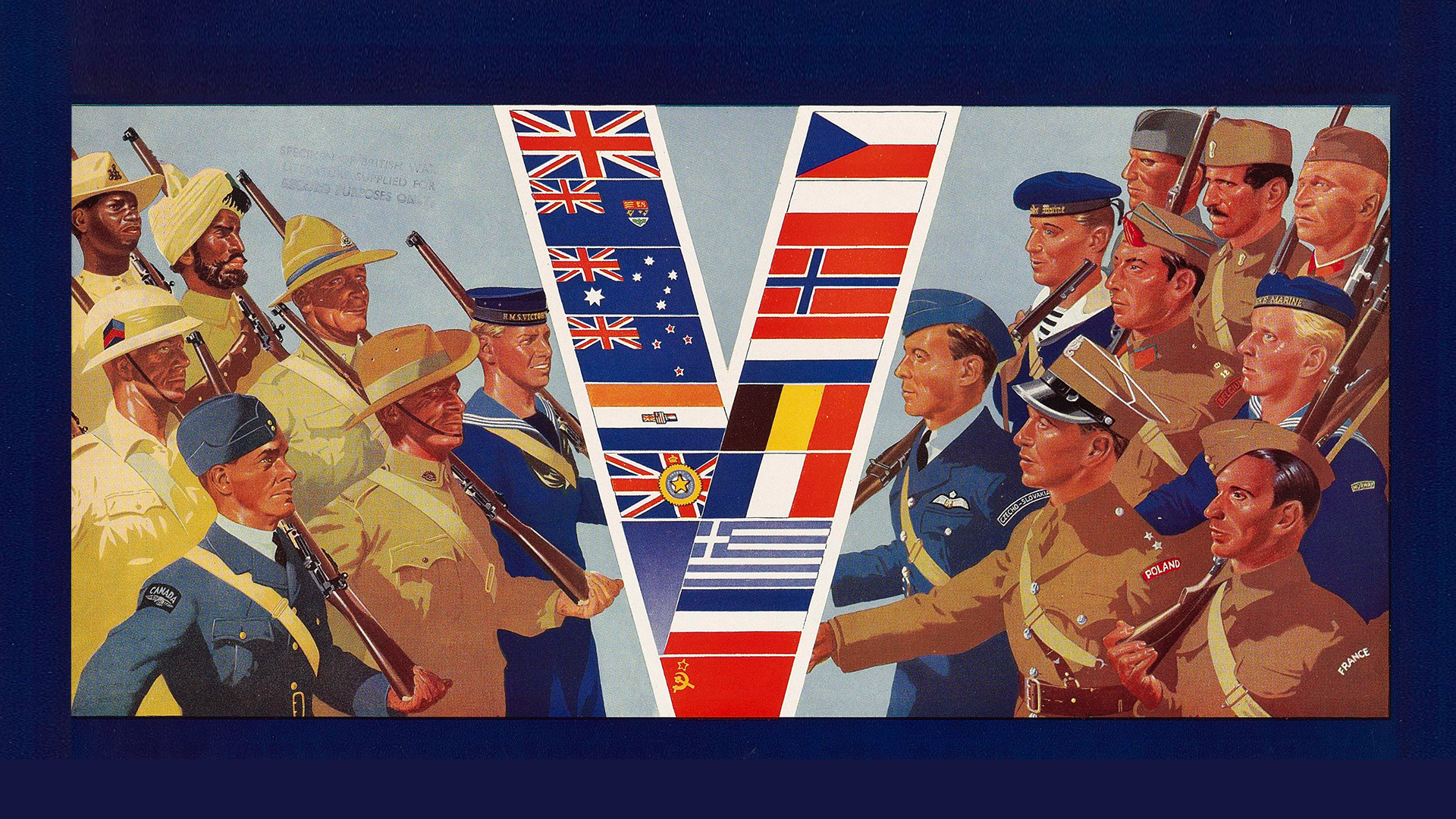
Why did another world war break out just two decades after the first? Unpack the complex causes behind the most destructive war in history. This is a story of failed diplomacy and strategic alliances in the face of global conflict.
Learning Objectives:
- Use evidence to understand how and why diplomacy failed to prevent a second world war.
- Use the historical thinking practice of causation to analyze global factors that led to the Second World War.
Vocab Terms:
Did you know: American spies tried inventing a fart weapon. In 1944, Ernest Crocker was working at the Office of Strategic Services (the predecessor to the CIA). He created a spray called “Who, Me?” which had a powerful “fecal odor.” The idea was that French resistance fighters could discreetly apply the spray to Nazi officers, humiliating them and undermining German morale. Unfortunately, America’s spies forgot that “whoever smelt it, dealt it.” The spray was difficult to control. More often than not, it ended up contaminating the user. Despite the weapon’s failure, Crocker’s experiments led him to other breakthroughs in sensory and food technology after the war.
It wasn’t just Nazis. The interwar period elevated many different ideologies. Understanding how we define some of these terms will prepare you for this lesson.


What did he know?: Appeasement
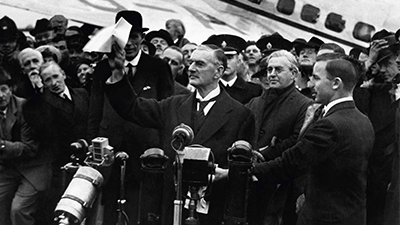
The scenario: Students role-play Neville Chamberlain as he made five crucial decisions about how to respond to Hitler in the lead-up to World War II:
- Anschluss (annexation of Austria), March 1938
- Munich Agreement, September 1938
- Occupation of Czechoslovakia, March 1939
- Anglo-Polish Guarantee, March 1939
- Invasion of Poland, September 1939
Prompt AI to provide students with a list of what Chamberlain knew at each step (military strength, public opinion, alliances, and Hitler’s demands). Using answers to these questions—and carefully fact-checking—students then generate arguments for and against appeasement, defending their decisions in a class discussion.
Why this is genius: By stepping into the shoes of a historical actor, students practice historical empathy. AI supports their research, but students must determine what evidence mattered most at the time.
As fascist leaders rose to power, democratic nations faced difficult choices. Discover how efforts to keep peace through compromise ultimately shaped the path to another war.


-
Guiding Questions

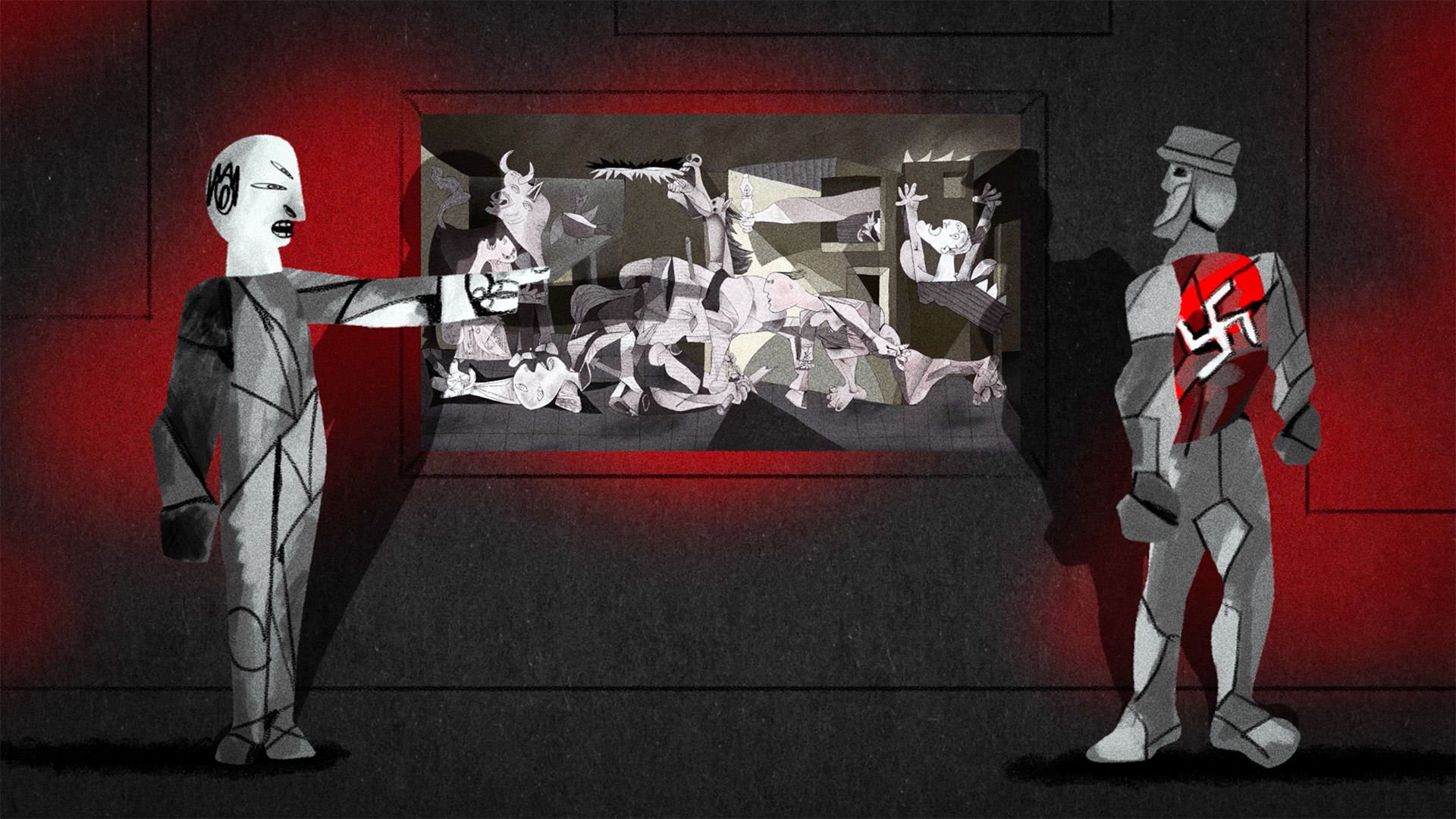
Did you know? Pablo Picasso’s Guernica is MASSIVE. It’s 11 feet, 5 inches tall and 25 feet, 6 inches wide. It’s about the size of a small school bus. So, your students might see it in miniature, as it’s provided in the activity, and miss the way the figures—the screaming horse, wailing mother, broken bodies and buildings—loom over the viewer when seen in person. Picasso made the horrors of war too big to ignore. Today, the painting is held in the Museo Reina Sofía in Madrid, Spain. When the painting was transferred there, its size and fragility meant it needed to be transported by a special vehicle, in a custom crate, using a crane designed to install the painting in its new home. For a visual and oral history of Guernica, see the museum’s “Rethinking Guernica.” Don’t miss the Gigapixel tool, which will let your students zoom in and see the painting in x-ray and ultraviolet.
The Spanish Civil War was a dress rehearsal for World War II. This video and activity use art to understand the war and consider who shares the blame.
-
Guiding Questions
OER Project offers several maps to help you teach the global scale of the Second World War. In addition to using our alliances and casualties map, try having students compare these two maps of the Pacific theater: Imperial Powers in 1939 and The War in the Pacific. Ask students how the two maps are related: How did imperial ambitions help spark conflict? What do these two maps tell us about the goals of the Japanese Empire?
The causes of the Second World War are many and complex. Be sure to read the Lesson Guide for sample answers that will help you guide students through this causation activity and its causal map.
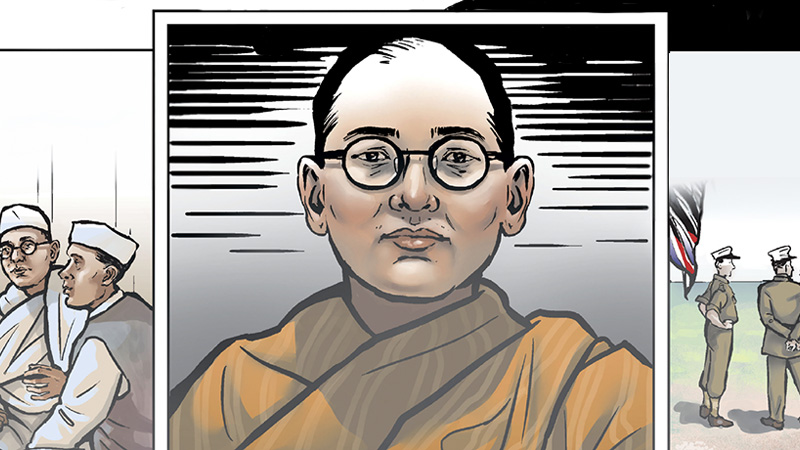
World War II is often viewed as a war between good and evil—Allies and Axis—but war is more complicated and nuanced that that. Read about the causes and devastating costs of war and zoom in on one individual to assess how the choices he made reflect the nuances of war. Then, use your causation skills to create a causal map for World War II.
-
Guiding Questions

-
Guiding Questions
-
Guiding Questions
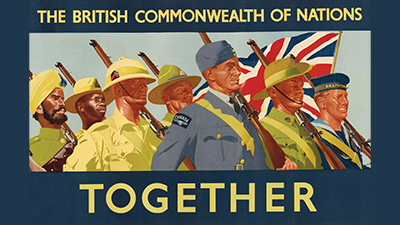
In 1942, the war looked lost. The Axis powers had swept across Europe and the Pacific. The Allies were besieged—but this was a turning point. How did the Allies win World War II?
Maps of the Second World War



-
Guiding Questions