
Early Agrarian Societies

Driving Question: Why did large agrarian states arise in some places but not others?
Complex agricultural societies emerged independently in different regions across the world, each shaped by its unique geography, climate, and resources. Explore the key similarities and differences of several early agrarian societies around the world to understand why geographic context influenced how they developed.
Learning Objectives:
- Evaluate the formation of early agrarian states and key similarities and differences between these societies.
- Evaluate early states in the Americas and consider how some of them challenge traditional ideas about states.
- Use the historical thinking practice of contextualization to understand and analyze early agrarian societies.
Vocab Terms:
Why is Mesopotamia called the “Land of Firsts”? Did the Olmec carve giant stone heads of their gods or their kings? See if you can figure out what’s true and what’s false.


Contextualization is a historical thinking skill we scaffold throughout the course. As you prep for this intro activity, use this contextualization one-pager as a quick introduction.
To understand where we are, we must understand where we’ve been. That might sound like something from a self-help book, but you’ll soon see why knowing the context for an event is so important.


Farming led to both cities and states, but even though many societies had similar structures and strategies, they weren’t all the same.
-
Guiding Questions
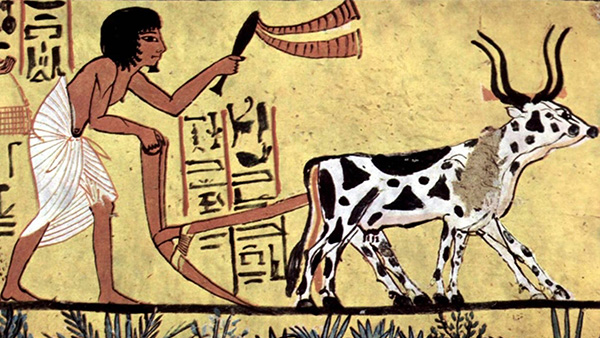

This jigsaw includes a lot of articles covering many different ancient societies, but students only need to read one each.
Be sure to cut out the event cards ahead of time and have tape ready. Alternatively, your class can use this Google Slides link. Make sure that the students either download, use the snipping tool, or copy and paste their slide into your LMS to show their work.
Each of the articles below explores a unique early agrarian society. Select one that you’ll use to complete the contextualization activity.
-
Guiding Questions
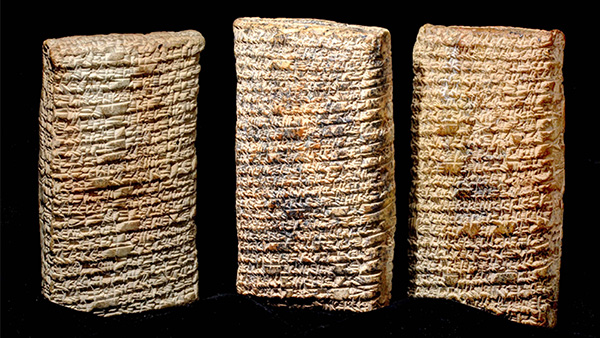
-
Guiding Questions
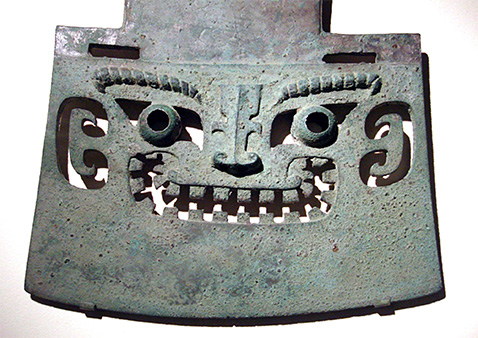
-
Guiding Questions
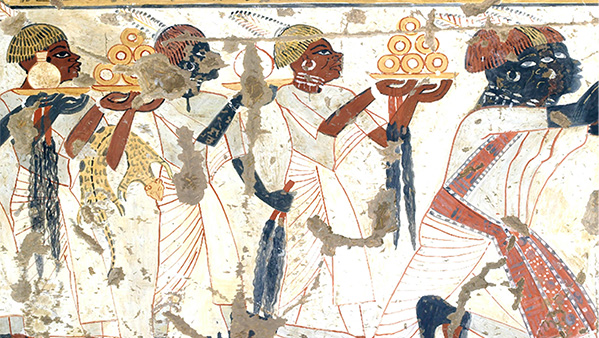
-
Guiding Questions
-
Guiding Questions
-
Guiding Questions
-
Guiding Questions
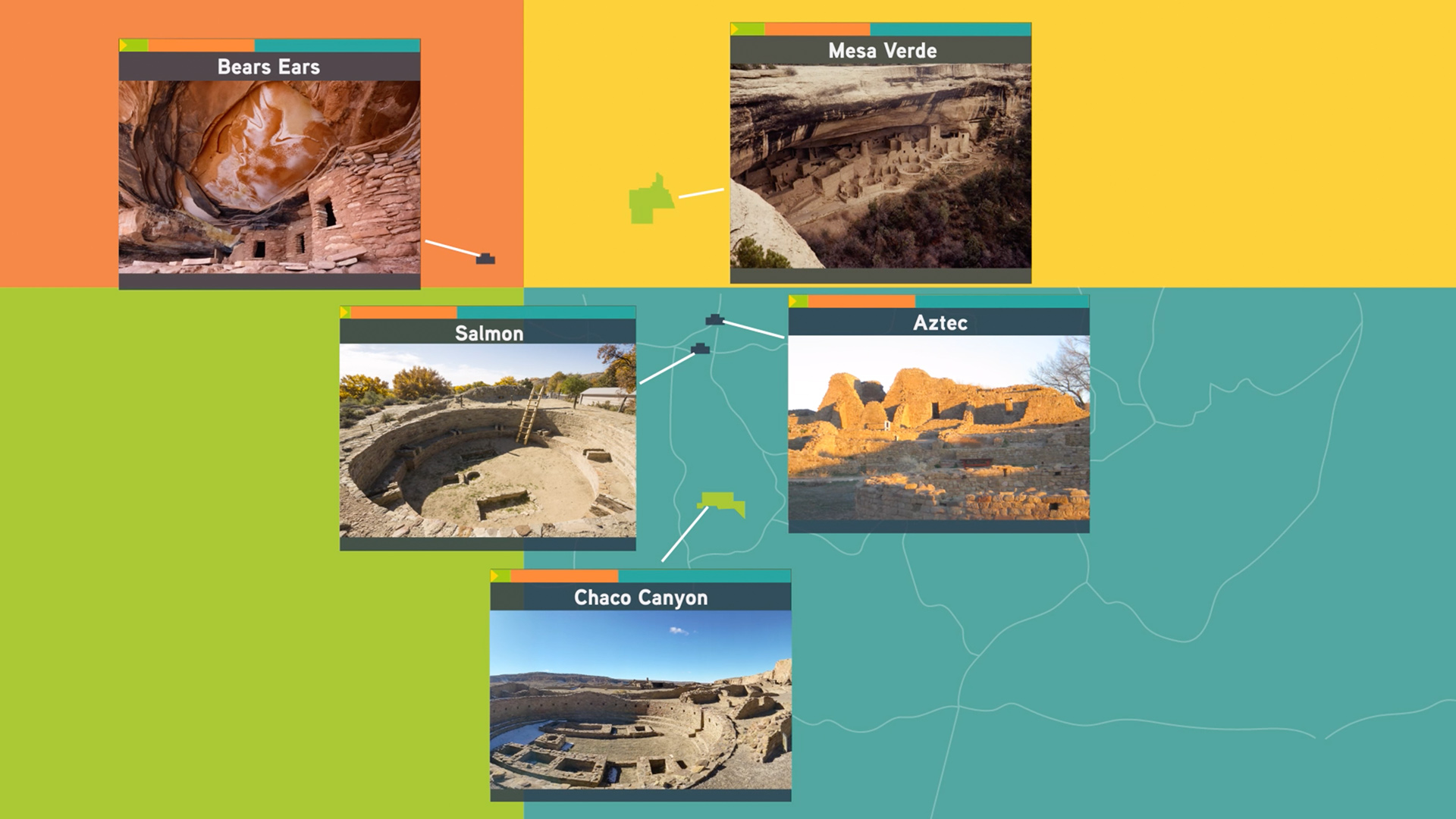
We filmed this video with historians and leaders from several of New Mexico’s Pueblo communities. Today’s communities are descended from the Ancestral Pueblo who are introduced in this video. The Ancestral Pueblo people are sometimes mistakenly called Anasazi, which is a Navajo word meaning “ancient enemies.” This video provides a detailed look at the lifestyles of the many diverse communities who made up the Ancestral Pueblo. The scholars in the video provide additional evidence that will help students deepen their understanding of the relationship between farming and foraging, as these communities moved often and embraced a foraging lifestyle when environmental shifts demanded it.
The Pueblo built a tremendous cultural zone in the American Southwest. How did they use migration to help their societies survive?
-
Guiding Questions
In this lesson, you explored various early agrarian societies to see how geography shaped their development.



In this writing activity, you’ll use evidence from sources to support an argument that responds to the question: In what ways did complex societies positively and negatively impact the people living within them, as well as those outside their borders?



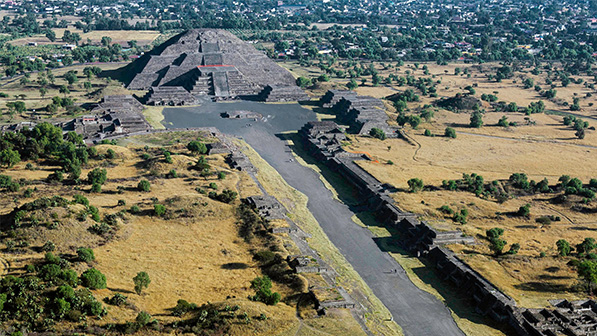
Welcome to the ancient city of Teotihuacan, the dominant power in the ancient Mesoamerican region. Think you know what an ancient city was like? Teotihuacan might surprise you.
-
Guiding Questions
The African city of Jenne-Jeno had a formation quite unlike many other ancient cities and states. How did it come to be?