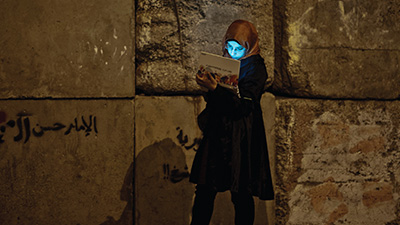
Global Communities

Driving Question: Why did ideas about human rights change after 1945?
It’s time to join the conversation about human rights and global cooperation. Explore how global institutions and grassroots movements have worked together—and at times clashed—in the fight for justice since World War II.
Learning Objectives:
- Use evidence to analyze how human rights emerged and changed in the past century.
- Use the historical thinking practice of comparison to evaluate different rights documents.
What are rights and where do they come from? These questions will help you prepare to learn about global communities.


After World War II, global leaders realized that peace and justice needed more than good intentions—they needed structure. Check out how international institutions were created to prevent future conflict and promote cooperation across borders.
-
Guiding Questions
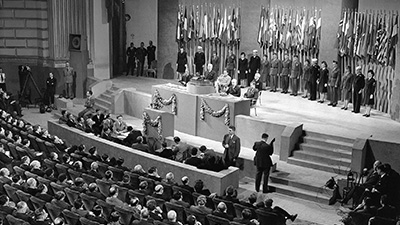

This is the final comparison activity in the course. Don’t forget to use the Comparison Feedback Form and the OER Project Writing Rubric.
Did you know: The 1989 Convention on the Rights of the Child became the most widely ratified human rights treaty in history. This is a good fact to emphasize to help students understand that human rights language continued to be debated and to expand into new areas—long after the 1945 UDHR.
What does it mean for a right to be universal? In this part of the lesson, you’ll examine how the idea of human rights took shape after 1945, and why defining and protecting those rights has been a global challenge ever since.
-
Guiding Questions
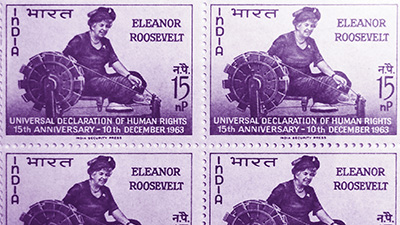


A good classroom move here is to have students brainstorm how ideas travel and the mechanisms by which they are changed: speeches, protests, legal cases, churches and religious messaging, student groups, media, social media, education, and international organizations. Keep a full-class list and ask students to think about what messaging has changed the way they think. This is a good way to emphasize the role of networks in changing international norms.
The fight for human rights doesn’t stop at national borders. In this step, you’ll explore how civil rights movements in the United States inspired and connected with similar struggles across Latin America.
-
Guiding Questions
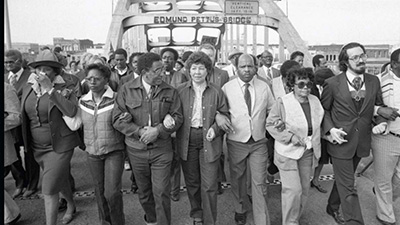
Pardon our dust while we remodel. The global community has sought to improve human rights since 1945, but many struggles are still a work in progress.



We’re more connected than ever—but what does that mean? This step explores how digital networks and social media are shaping identity, activism, and the future.
-
Guiding Questions