
Reading

 How to Teach Reading: Tools for Teachers
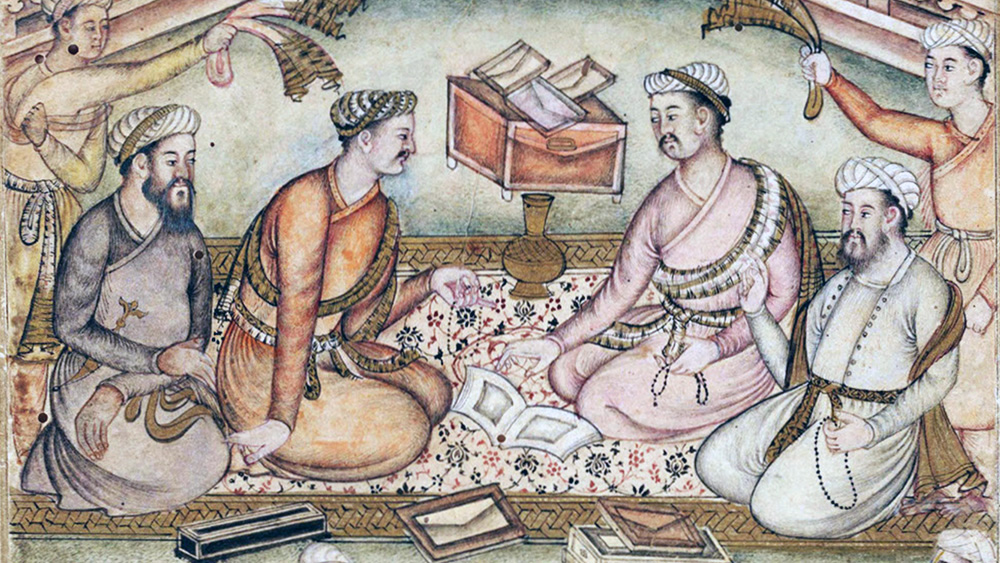

WH Three-Step Reading Worksheet
Have students analyze text at three different levels to develop a deeper understanding.
Three-Step Reading for Graphic Biographies
Help students read more than the words on the page with this tool.
WH AP Three-Step Reading Worksheet
Help students analyze text and connect the information they read to the AP® themes.
BH Three-Step Reading Tool
Help younger students analyze text at three different levels to improve their literacy skills.
Teacher Chat: Reading


PD Video: Primary Source Power
Give students a strong purpose for reading each source with analysis tools and focused feedback. Find the video in our Teaching Moves collection.

Getting More Out of Reading in Social Studies
Explore teacher-created strategies for scaffolding the three-step reading process.
Teacher-Tested Reading Strategies
Students often struggle with reading text. Find new approaches to keep students engaged and help them make sense of historical articles.
Teach Tomorrow: Lessons on Reading
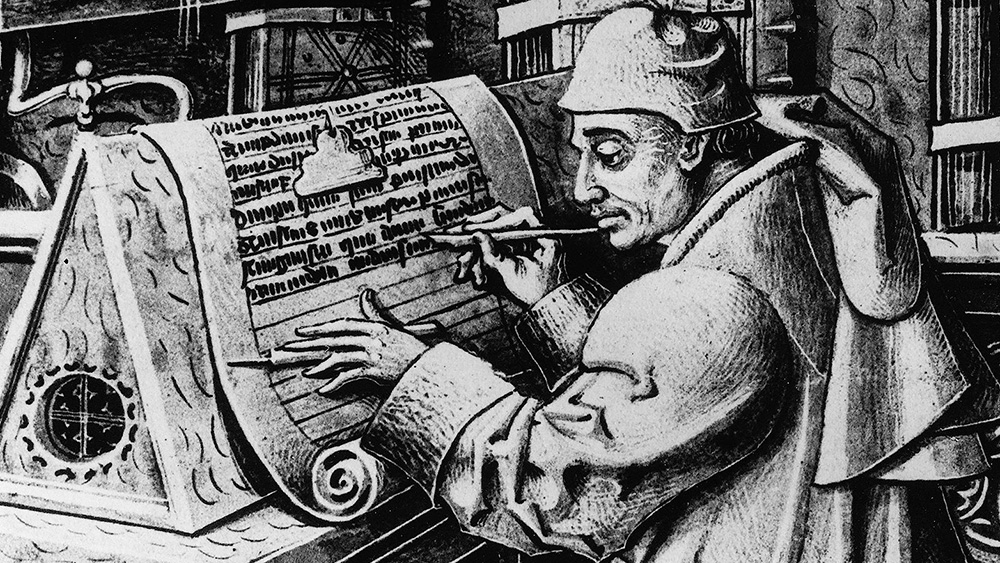

Reading Materials and Resources


Introduction to Three-Step Reading
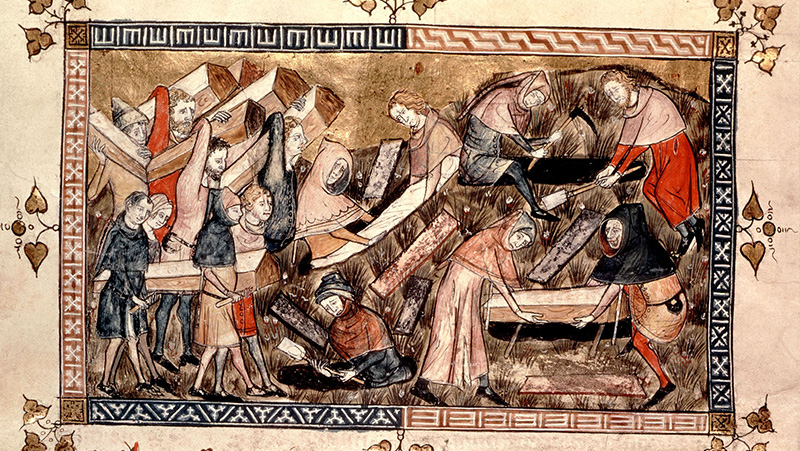

Unit 1 Introduction: History Stories
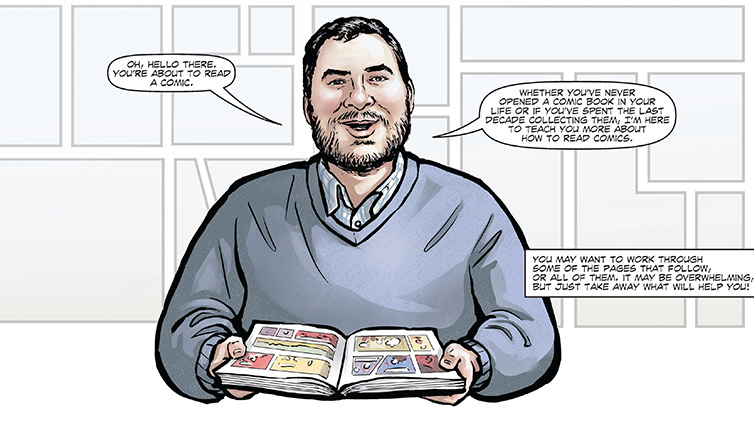
How to Read Comics

Getting to Know Comics

Three-Step Reading for Graphic Biographies
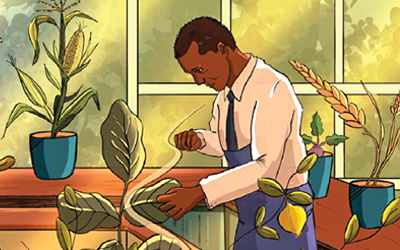

George Washington Carver
 Resources to Connect Climate Change and Reading
You can’t always take what you read at face value. Help students build the skills to evaluate evidence critically and decide for themselves what to believe.


Article: How Do We Know Climate Change Is Real?
Dig into four charts about global temperatures, emissions, and the correlation between them.
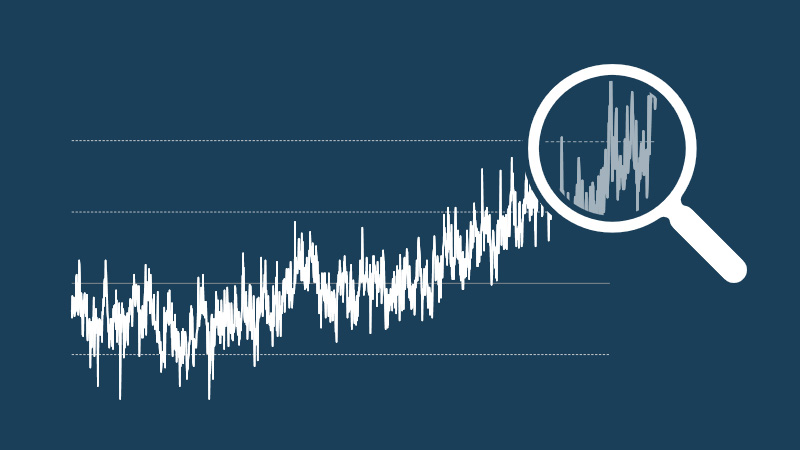
Activity: Claim Testing: Earth’s Climate Record
Practice your claim-testing skills by evaluating what you’ve read in the data exploration and making a claim of your own.