International Climate Goals

Driving Question: How can setting effective goals help us address climate change?
Can international priorities and policies help—or hinder—climate action? Explore past policies and what can be done to make them more effective moving forward.
Learning Objectives:
- Understand the need for international collaboration in addressing climate change.
- Evaluate the successes and failures of previous climate policies.
- Identify strategies to make climate goals more effective.
Vocab Terms:
This lesson is all about policies that are created to fight climate change. Explore some of the data you’ll encounter to help you make sense of those policies and build your data-analysis skills.


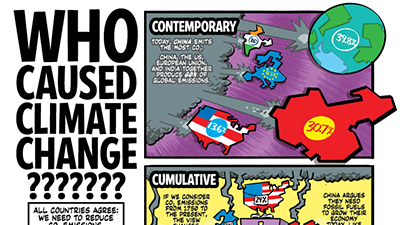
All countries agree that we need to reduce carbon emissions, but none agree who has the most responsibility for making it happen. Explore what the data tells us in the infographic, then used what you’ve learned to consider the importance of perspective.
-
Guiding Questions



This video is a bit longer than most. To make the content more manageable, consider having students preview the transcript before watching. For additional support, check out page 6 of the Differentiation Guide for strategies to make this content more accessible for diverse learners.
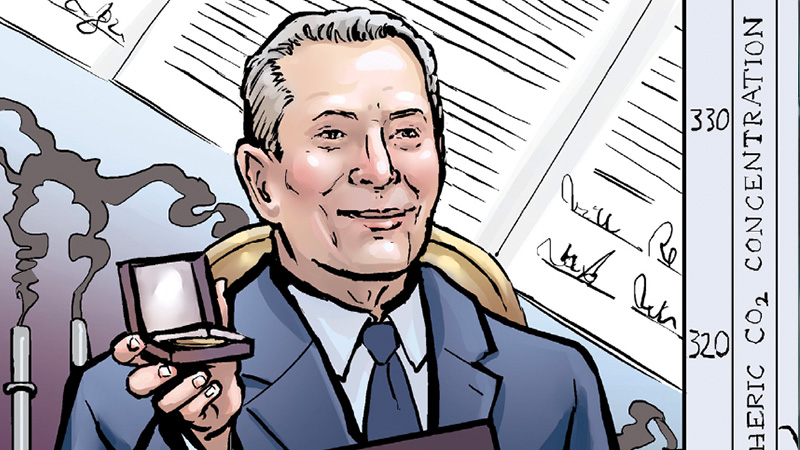
Tackling a global problem like climate change requires international cooperation. Easier said than done. Watch the video, explore a key figure through a graphic biography, and then apply what you’ve learned to make a policy recommendation.
-
Guiding Questions

-
Guiding Questions

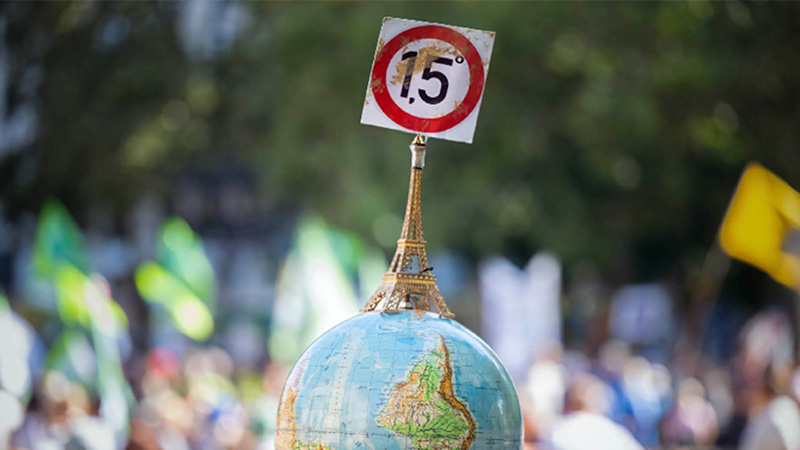
The 1.5° C goal ignited a wave of climate action. But looking ahead, what are the climate targets we need to inspire action into the future?
-
Guiding Questions

This activity highlights three examples of international policy. For advanced learners, consider extending the activity by inviting them to research and assess the impact of a policy of their choice.
Policies at the international level rely on action at the national level. How can we move from goals to meaningful action?
You’ve explored the purpose of international climate policies and the strength and limitations of past strategies. How should we set goals moving forward?


This is the first opportunity for formal assessment in the course.
It can be used as a document-based question (DBQ) assessment, a guided writing exercise, or homework.
The DBQ is based on the materials from Unit 1 but you can assign it regardless of the materials you covered in your classroom.
This writing assessment is an opportunity for you to showcase what you’ve learned in this unit by analyzing documents and creating an argument about the significance of climate change.