The History of Climate Change
Teacher Resources
Driving Question: What can the history of climate change teach us about the present and future?
For billions of years, Earth’s climate has shaped the evolution of life. But over the past 250, humans have become the biggest force driving climate change. What can the story of our planet’s past teach us about the choices we face today—and the future we want to build?
Learning Objectives:
- Explore how climate change shaped the past, influences the present, and could impact the future.
- Explain the connection between the Industrial Revolution and today’s climate challenges.
- Analyze how environmental movements worked to protect natural resources and promote conservation.
Opening: The History of Climate Change
To teach this lesson step, refer to page 3 of the Lesson 1.5 Teaching Guide.
Check out our Causation One-Pager for a quick review of this important historical thinking skill.
Natural disasters are at times referred to as “acts of God” because they seem to come out of nowhere. But scientists actually know quite a bit about how they happen. Check out this opener to learn more.

The Long History of Climate Change
To teach this lesson step, refer to page 3 of the Lesson 1.5 Teaching Guide.
Our online teacher community is a great resource for real time teacher suggestions like this one on video lessons!
It seems we hear news about the uncertain future of our climate every day—this video and activity help put things into a long-term perspective.
-
Guiding Questions
-
Before you watch
Preview the questions below, and then review the transcript.
While you watch
Look for answers to these questions:
- Why were bacteria important to the development of early life?
- How did a change in the climate help societies become more complex?
- How has climate shaped human societies?
- What is different about climate change today from historical warming and cooling cycles?
- How are societies innovating to address climate change?
After you watch
Respond to these questions:
- What’s one potential negative impact climate change could have in the future?
- What’s one positive outcome that could come from how we choose to respond to climate change?
Industry and Our Planet
To teach this lesson step, refer to page 5 of the Lesson 1.5 Teaching Guide.
Looking to differentiate, modify or adapt this assignment? Check out our Differentiation Guide.
Looking for more resources to connect history topics and climate change? Check out this blog post exploring the links between the Columbian Exchange and climate change.
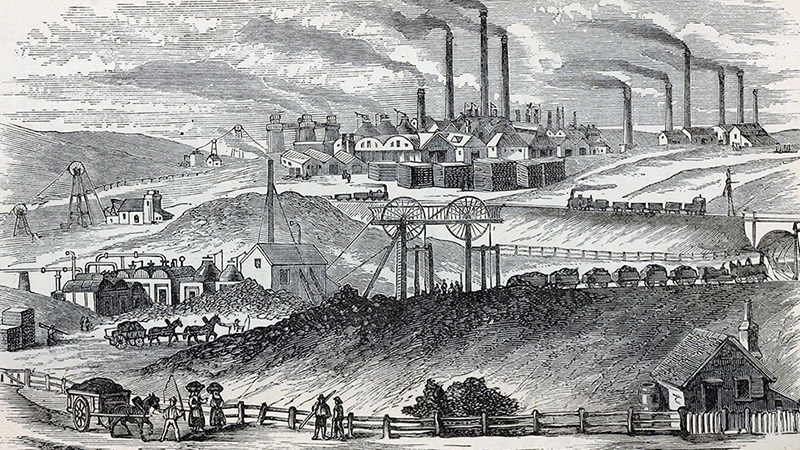
Coal powered Britain’s rise as an industrial superpower, but it also supercharged changes to the atmosphere that are still unfolding today. These resources explore how the Industrial Revolution reshaped both human societies and Earth’s climate—and why that history matters for our future.
-
Guiding Questions
-
Before you read
Preview the questions below, and then skim the article. Be sure to look at the section headings and any images.
While you read
Look for answers to these questions:
- How did the Industrial Revolution change the way people used energy?
- What are the benefits and drawbacks of coal?
- Why do we use the preindustrial era as a benchmark for global temperature trends?
- How did industrialization lead to global interconnection? Why is it so challenging to transition the global economy away from fossil fuels?
After you read
Respond to these questions:
- Which changes to consumer behavior do you think would have the biggest impact on reducing emissions?
- What challenges might prevent people from making those changes?
The History of Environmentalism
To teach this lesson step, refer to page 9 of the Lesson 1.5 Teaching Guide.
Learn more about Eunice Foote and her impact on our understanding of climate change in this blog post.
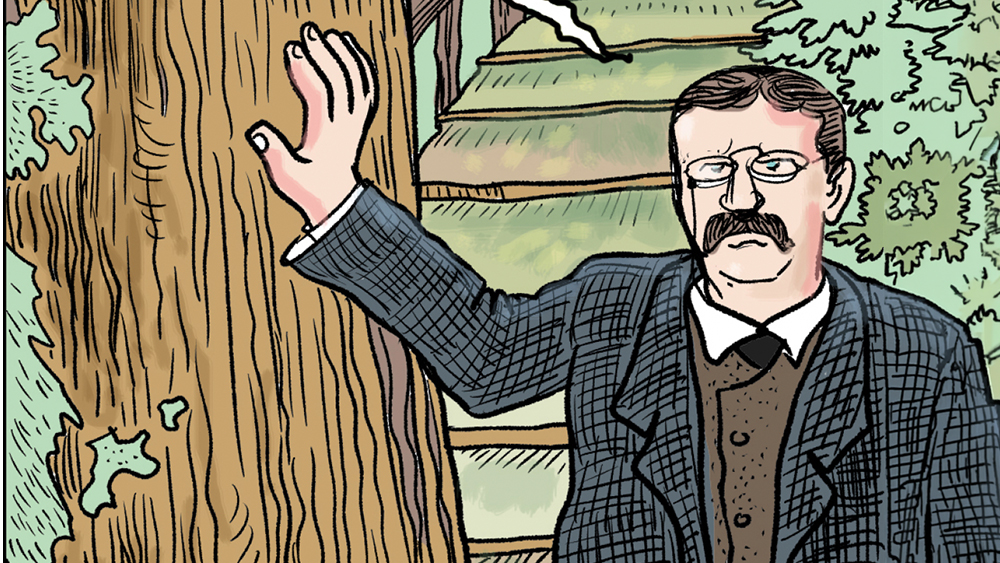
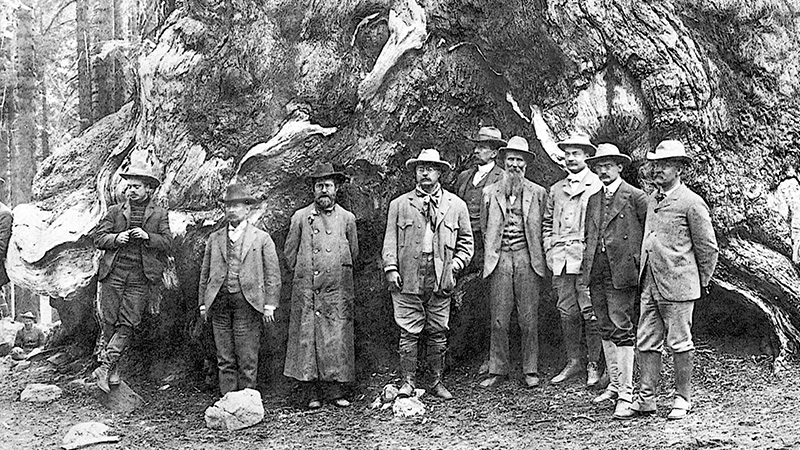
What do Frankenstein and Teddy Roosevelt have in common? Both were inspired—and humbled—by the wild beauty and power of nature.
-
Guiding Questions
-
Before you read
Preview the questions below, and then skim the article. Be sure to look at the section headings and any images.
While you read
Look for answers to these questions:
- In what ways did Romanticism help shape early environmentalism?
- What did early environmentalism look like in the United States?
- What is the purpose of the Environmental Protection Agency, and what has made its work the subject of debate?
- How did environmental disasters such as those that occurred at Three Mile Island and Chernobyl influence international cooperation?
- Why was the Paris Agreement significant?
After you read
Respond to this question: Do the environmental costs of pollution and climate change outweigh the economic benefits coal and other fossil fuels provide?
Closer: The History of Climate Change
To teach this lesson step, refer to page 11 of the Lesson 1.5 Teaching Guide.
There are many possible futures. How do you imagine the climate of tomorrow?

Early Environmental Activism
To teach this lesson step, refer to page 12 of the Lesson 1.5 Teaching Guide.
As change accelerated, the environment suffered—but some people sought solutions to overcome these negative effects.
-
Guiding Questions
-
Before you read
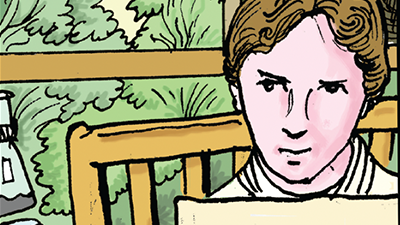
Preview the questions below, and then skim the comic, paying attention to things like prominent colors, shapes, and types of text and fonts. How do you know where to start and in which direction to read? What’s in the gutters (the space between panels)? Who or what is the focus of the comic?
While you read
Look for answers to these questions:
- What was Foote’s big discovery?
- What happened to Eunice Foote’s work after she conducted the experiment?
- In what ways did cotton have a negative impact on Southern farmers?
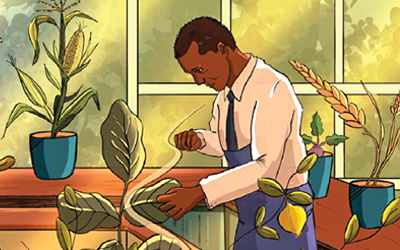
- How did Carver work to improve both the quality of the soil and the quality of life for Black farmers?
- How do the pages’ design, text, and illustrations contribute to your understanding of Foote and Carver’s stories?
After you read
Respond to these questions:
- In what ways are the legacies of Eunice Foote and George Washington Carver similar?
- In what ways are they different?
- Which of these two early innovators do you think had a greater impact? Why?