Evaluating Climate Impacts

Driving Question: How will climate change affect us?
To address the impacts of climate change, we first need to understand them. Explore how climate change is affecting both natural and human systems around the world, but to different extents depending on region and community.
Learning Objectives:
- Distinguish between the direct and indirect impacts of climate change.
- Understand that the impacts on natural and human systems are connected.
- Assess how the impacts of climate change are experienced differently
Vocab Terms:
We all experience the impacts of climate change in different ways. How is climate change impacting you?


Looking at real-world impacts is a powerful way to help students connect climate change to their own lives.
Grab some inspo from this community forum post where educators discuss how climate change is affecting their communities.
Climate change is here, and future generations are likely to feel its effects more and more intensely. What can we expect both now and in the future? First, watch the video to explore climate change impacts, and then use the activity to think about how you may be effected.
-
Guiding Questions


Distinguishing between direct and indirect impacts is rooted in an understanding of causation and helps students more clearly answer the question “Did climate change cause this?”
For a quick refresh on causation, check out this one-pager.
We know that the impacts of climate change are negative—what’s the point of sorting them into categories? Read the article to explore both direct and indirect impacts, and then use the activity to understand how this classification can help us better address climate change.
-
Guiding Questions
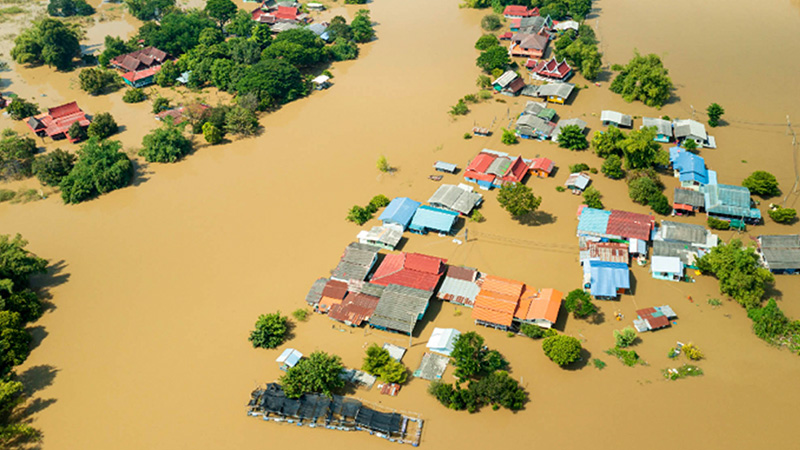

How did a single volcanic eruption trigger a global food crisis? Examine the far-reaching ripple effects of the 1815 Mount Tambora eruption as a powerful example of how deeply interconnected human societies and natural systems truly are.
-
Guiding Questions
.jpg?rev=ae03978046a244f3b57a3b3febbedb07)
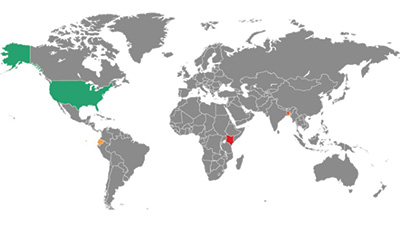
How is climate change impacting people in other parts of the world? These profiles and the accompanying activity will help you gain a deeper understanding of climate change and the connection between direct and indirect impacts.

Using your own experiences, explore how a direct impact can cause a ripple effect of indirect impacts.