Climate Action: Careers
Teacher Resources

Lesson Guide
All the lessons in Unit 5 offer an opportunity for extended project-based learning, ideal for 1–3 weeks of classroom time. To get a better sense of what’s included in this lesson, check out the Lesson Guide.
Unit 5 Guide
We strongly recommend that you pick just one lesson from this unit—don’t teach them all sequentially! The Unit 5 Guide offers a quick preview of each lesson.
Driving Question: What careers will help us address climate change?
Climate change is a big challenge, and we need experts to tackle this challenge. You could be one of those experts. In this lesson, you’ll learn about different careers that contribute to climate solutions and present these careers to your classmates in a career fair.
Learning Objectives:
- Understand the ways climate change will impact various careers.
- Investigate careers working to address climate change.
- Research a career and present to a target audience.
Vocab Terms:
The number of careers connected to climate change is larger than students may realize! Prime students for this lesson’s exploration by asking them to think about their general interests, regardless of whether they think they’re connected to climate change.
There are lots of ways to take on climate change. Start thinking about what you can do.


Climate change will affect everything, but in different ways and to a different extent. Explore those affects in the article, and then use what you’ve learned to evaluate different careers in the activity.
-
Guiding Questions
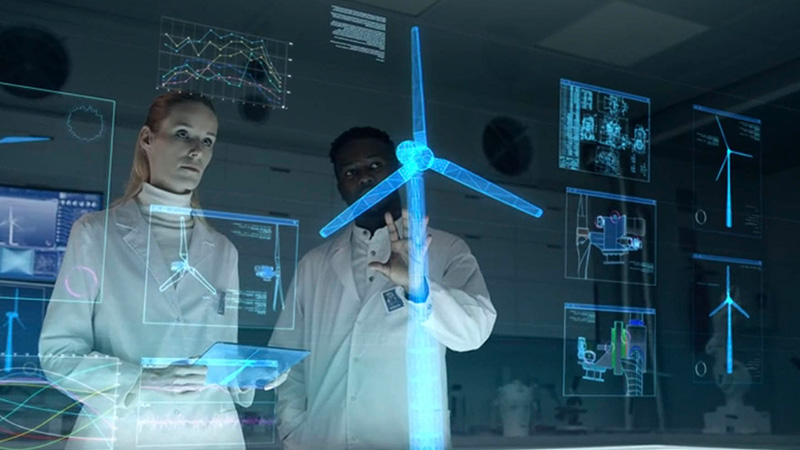



These activities can be adapted to fit your available time, but for best results, we recommend at least three class periods: one for research, one for preparing presentations, and one for presenting.
To take this activity further, consider hosting a career fair and inviting other classes or community members to explore climate-related careers.
Engineer? Teacher? Designer? There are lots of ways to address climate change. Decide which path appeals to you the most, and then present your findings to others at the career fair.


Whatever comes next—school, a job, some new adventure—reflecting on what you’ve learned can guide your future choices.