A Climate Future

Driving Question: How will climate change shape our future?
We’re already seeing climate change’s impact on ecosystems and communities, but what our future will look like is up to us. Explore how things might look decades from now based on our current path, and what can be done to shape the future we want to see.
Learning Objectives:
- Evaluate the potential impact of climate change on health, jobs, and human systems.
- Identify personal actions that can have an impact on climate change.
Vocab Terms:
This activity helps students build their data-literacy skills. For more information on classroom data-literacy strategies, check out page 2 of the Data Literacy Guide.
What will a future with climate change hold? Well, it depends…


These articles are quick reads! You can assign all three or choose just one to pair with the accompanying activity.
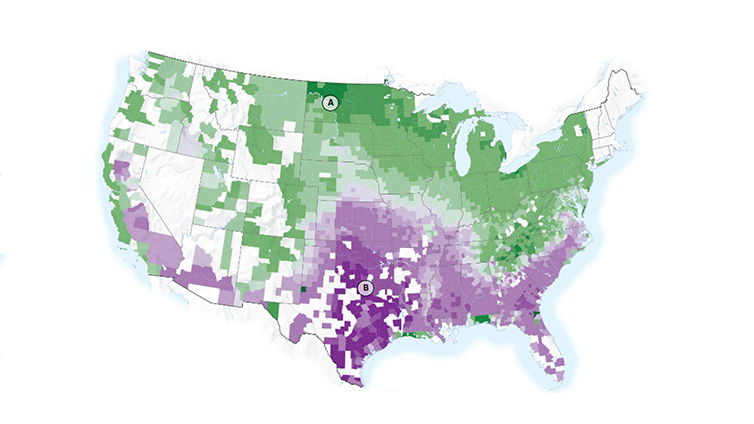
Gesundheit! Climate change is stretching out spring, making pollen season longer and more intense. Between 1990 and 2018, pollen concentrations increased by an average of 21% across North America, worsening allergies and asthma for millions. And as temperatures keep rising, so will the sniffles—better keep those tissues handy.
What will the world look like decades from now, and what can we do to create the future we want to inhabit? Choose one of the three categories below—or explore them all—to see what the future may hold, and investigate the data behind those predictions.
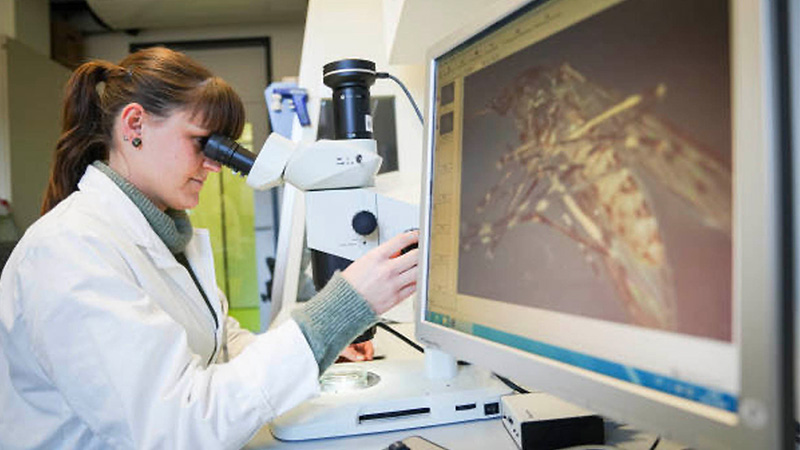

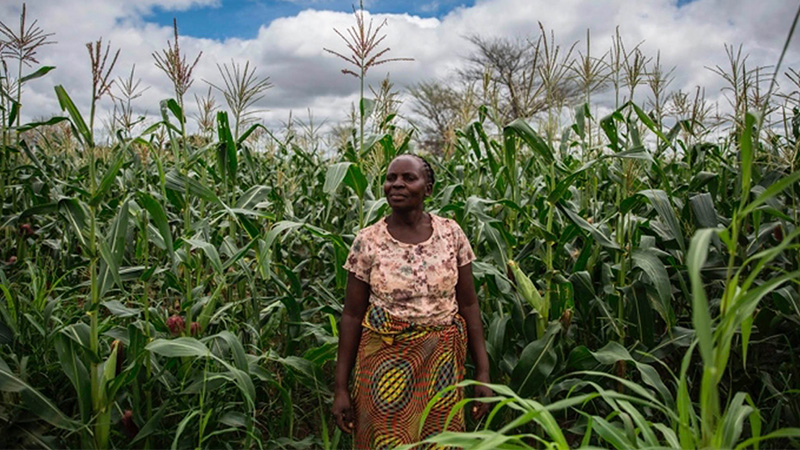
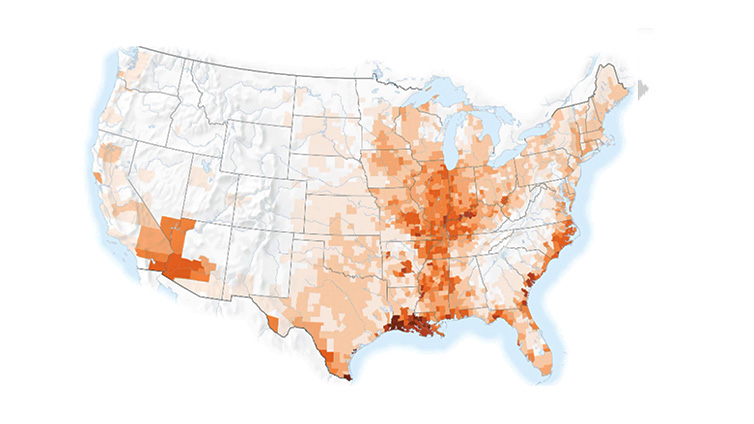

For more information on climate-focused careers, check out this blog post.
Who are the experts we need to build the future we want? Explore different careers and see how you might fit in.

This closer is another opportunity for informal classroom writing. For tips on using informal writing in the classroom, see page 2 of the Writing Guide.
What do YOU think is most likely to be true in the future? Consider what you’ve learned and make predictions for what’s coming.


This is an opportunity for formal assessment and can be used as a document-based question (DBQ) assessment, a guided writing exercise, or homework.
The DBQ is based on the materials from Unit 4. While you needn’t have taught the entire unit to assign it, students will be most successful if they’ve explored a variety of climate solutions.
This writing assessment is an opportunity for you to showcase what you’ve learned in this unit by analyzing documents and creating an argument about the best approaches to decarbonization.