Our website uses cookies to understand content and feature usage to drive site improvements over time. To learn more, review our Terms of Use and Privacy Policy.
The Mali Empire: How Mansa Musa’s Gold Changed the World
Mali’s vast gold mines made Mansa Musa’s empire incredibly wealthy. How wealthy, you ask? Well, Mansa Musa was so generous with his gold on his pilgrimage to Mecca in 1324 that he caused inflation and accidently ruined the Egyptian economy.
Think about the following questions as you watch the video
What was Mansa Musa’s destination when he began his travels in 1324? Why was he going there?
What was the result of Mansa Musa’s extensive generosity in Egypt?
What made Mansa Musa rich?
What was Mansa Musa’s impact on the kingdom of Mali?
Why did the Mali Empire decline and fall?
: Who do you think is the richest person in all of history? No, it's not someone who
: invented a social media platform or a CEO trying to colonize Mars. Believe it or not,
: the richest person of all time isn't around anymore, and hasn't been for a few centuries.
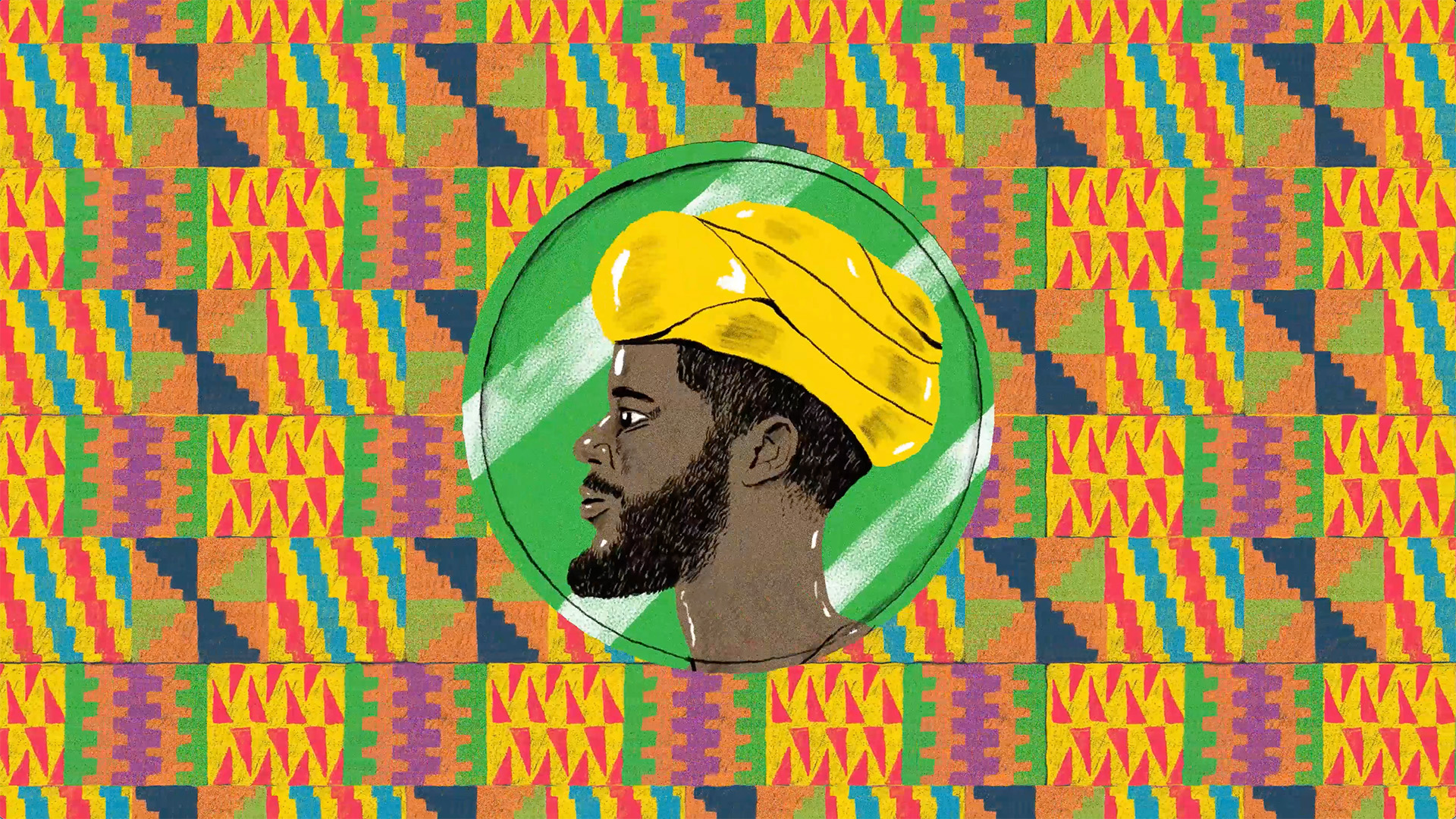
: He didn't live in Silicon Valley either. He was a West African emperor named Mansa Musa.
: And he owned so much gold that he could upend entire economies, and on one occasion,
: he did exactly that. But being rich wasn't enough on its own. He wanted
: to make his kingdom a center of learning and commerce, respected by rulers in distant lands.
: So, in 1324, he hit the road with an entourage of tens of thousands, several tons of gold,
: and a determination to put the Mali Empire on the map, and introduced the world to the
: powerful Mansa Musa. It all started with religious obligation. By the 14th century,
: Islam had become the predominant religion in West Africa, brought by Arab merchants
: crossing the Sahara. One of Islam's central tenets is a pilgrimage to the holy city of
: Mecca. A devout Muslim, Mansa Musa wanted to make the 4,000 mile journey in style.
: He assembled a caravan of 60,000 people, including officials, soldiers, enslaved people,
: dozens of horses and camels—each carrying hundreds of pounds of gold. Along the way,
: he spent lavishly, gave gifts to local leaders, and handed out gold to almost everyone he met.
: When he passed through Cairo, he gave away so much gold that he accidentally cratered the price of it,
: causing a decade long inflation crisis in Egypt. How rich was he really? Some historians
: estimate his wealth at around 400 billion dollars in today's money. We don't have bank statements,
: so that number is fuzzy. What we do know is that Mansa Musa didn't get rich from tech stocks
: or startups. As emperor, he controlled a kingdom twice the size of Texas, half of the world's
: gold supply, and over 2,000 miles of trade routes, plus salt, ivory, and other natural resources.
: Even if we never know his exact net worth, one thing is certain, his fortune was staggering.
: But Mansa Musa's pilgrimage wasn't just spiritual, it was a show of force. Word of his wealth and
: generosity spread fast. Merchants from Spain and Italy flocked to the Mali Empire. European maps
: even started depicting Mansa Musa sitting on a throne covered in gold. And he didn't just flex
: his riches, he brought back scholars, architects, and thinkers from across the Islamic world. Cities
: like Timbuktu and Gao exploded with culture. Mosques, schools, and libraries sprang up,
: some so advanced they rivaled the great centers of the Middle East. The Sankoré Madrasa in Timbuktu
: grew to more than 25,000 students, and held half a million manuscripts, making it one of
: the largest libraries in the world. Mansa Musa wasn't content with economic power alone; he
: wanted intellectual dominance too. By the time Mansa Musa died in 1337, Mali was at its peak,
: but in the decades that followed, economic decline set in as new trade routes bypassed
: the empire. Internal disputes among heirs weakened the government, leading provinces to break away
: and invasions from neighboring powers. By the early 1600s, the Mali Empire fell to the Songhai
: Empire. The Songhai state became even stronger, building on the foundations Mali left behind.
: Even today, the legacy of Mansa Musa endures throughout West Africa. The iconic mudbrick
: mosques, with their tall minarets, still stand. Reminders of a mighty empire and