The Great Depression

Driving Question: How did an economic depression engulf the world in the interwar period?
The political and social fallout from the Great Depression shook societies across the globe. Learn how the US stock market crash spiraled into a worldwide economic disaster and set the stage for another world war.
Learning Objectives:,
- Use close-reading and source-analysis skills to view the Great Depression from multiple angles to understand the depth of this international crisis.
- Use the historical thinking practice of contextualization to evaluate the circumstances that led to the global depression.
Vocab Terms:
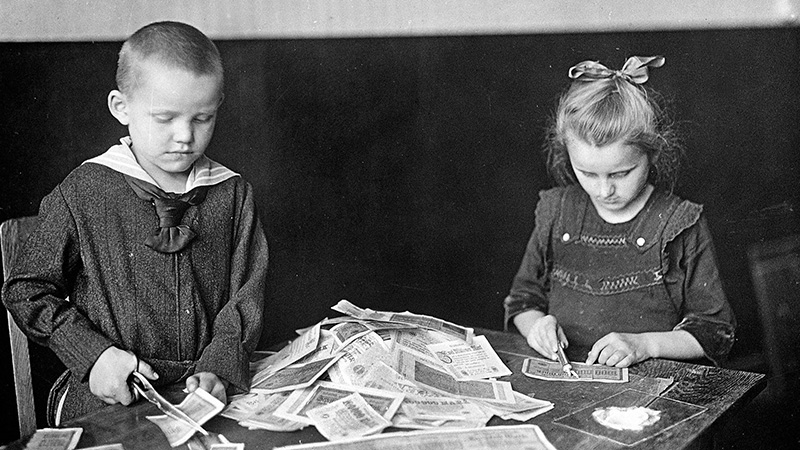
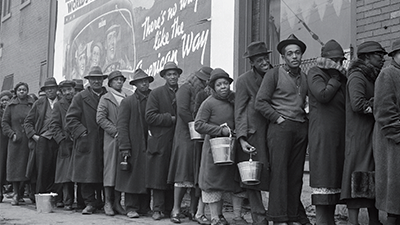
A picture may equal a thousand words, but you won’t need that many in this activity. You’ll get a visual overview of this unit by examining pictures from the late 1920s to the early 1930s.


Great Depression around the World


You can print out the Event Cards for each pair or small group of students, but you can also have students access these cards through Google Slides, where they can move the cards on the digital funnel. Be sure to read the Lesson Guide for full instructions on this activity.
This is the final activity on contextualization. So, if you feel your students are context pros, you might have them work independently. Otherwise, the directions in the Lesson Guide are intended for a teacher-led, collaborative activity.
Through firsthand accounts and images, you'll see how the Great Depression impacted people around the world. Then, you'll use contextualization skills to analyze the broader economic and political factors that created this global crisis.
-
Guiding Questions



Wrap up your learning by turning key ideas into news headlines. This activity helps you identify and summarize the major causes and effects of the Great Depression in a creative and memorable way.



Explore how people around the world faced economic challenges during the interwar period. These sources reveal the diverse ways communities experienced and responded to the Great Depression.