Age of Exploration

Driving Question: Why did European monarchs fund voyages of exploration and conquest in this period?
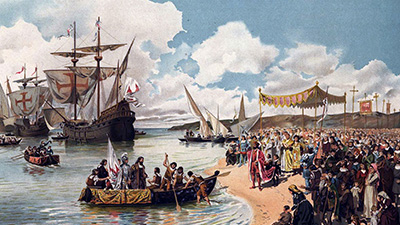
European maritime voyages launched in the fifteenth and sixteenth centuries transformed the world. They linked the hemispheres in sustained connection for the first time. As a result of these voyages, European states began building vast and powerful overseas empires that stretched across oceans.
Learning Objectives:
- Describe how the exchange of innovations and technology allowed European states to expand and establish new oceanic empires.
- Compare new types of empires that were established in this era, built on gunpowder and navigational innovations.
- Use a graphic biography to support, extend, or challenge the overarching narratives from this period.
Vocab Terms:
Looking for additional ways to introduce this topic? Check out another teacher’s approach in the “Age of Exploration Introduction Activity Using Apple Pie” thread in the Community Forum.
What are the terms you’ll need to know for this lesson? Check out some new vocabulary and look back on what you’ve already learned.


In the fifteenth century, explorers from Europe set out across the oceans. Their voyages and conquests made some Europeans very rich and some rulers very powerful. But as you’ll see in the article below, not everyone shared equally.
-
Guiding Questions
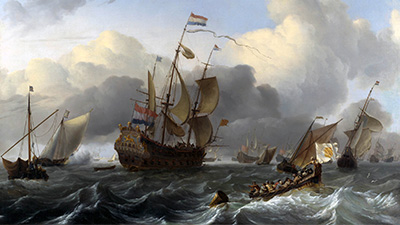

As you teach these materials, remind students that they’re focusing on comparison. The key is helping students see that “gunpowder empires” and “oceanic empires” were not entirely separate stories. Both types of empire relied on military force, administration, and economic extraction, but they operated across different spaces and networks. The drawing activity can help you make those distinctions visible.
Were European oceanic empires something new, or were they just another form of empire? Use these articles and activity to compare old land-based empires with the emergence of new oceanic empires.
-
Guiding Questions
-
Guiding Questions
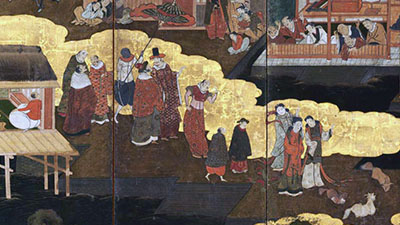


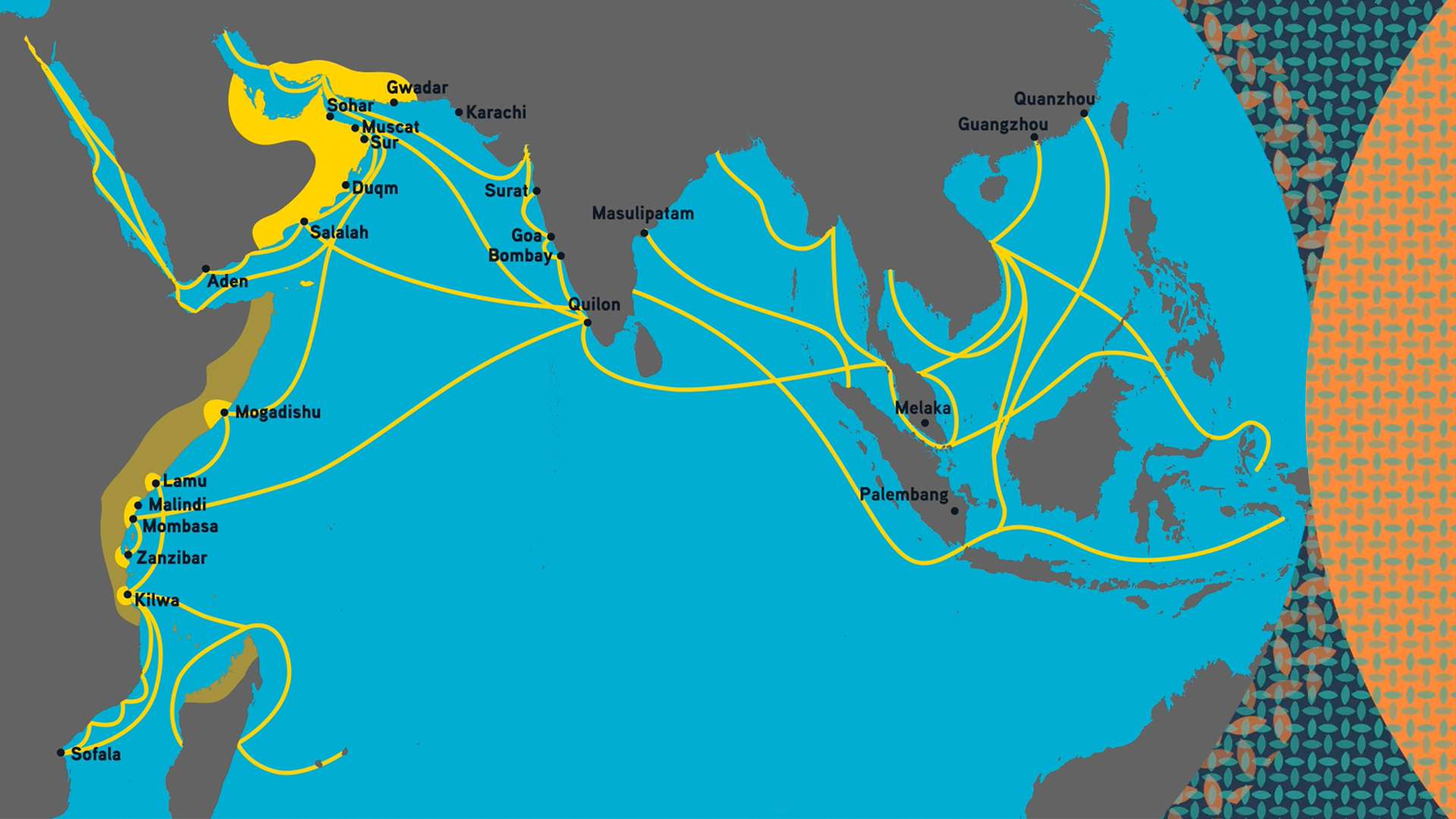
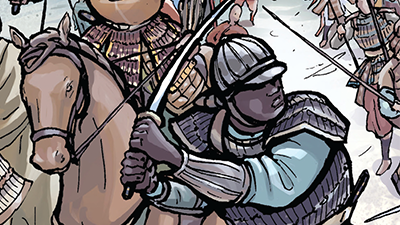
Narratives about this period are often centered on Europe—how Europeans traveled to the Indian Ocean and East Asia and achieved dominance. This article and graphic bio unsettle those expectations, showing Europeans entering as small players in an already-thriving network, and showing the connections established by Europeans through the eyes of an East African samurai in Japan.
European navigators also traveled to the Indian Ocean in search of new trade opportunities. In this article and graphic bio, you’ll read about their interactions with powerful states and a flourishing network of trade.
-
Guiding Questions
-
Guiding Questions

In this lesson, you’ve explored voyages of exploration and conquest. Reflect on what you learned, what surprised you, and any questions you still have.



Adjust video speed: If you’re watching OER Project videos on YouTube, you can slow things down by going to Settings and adjusting the playback speed. This is particularly useful as John Green speaks very quickly and students might miss important details while watching Crash Course videos.
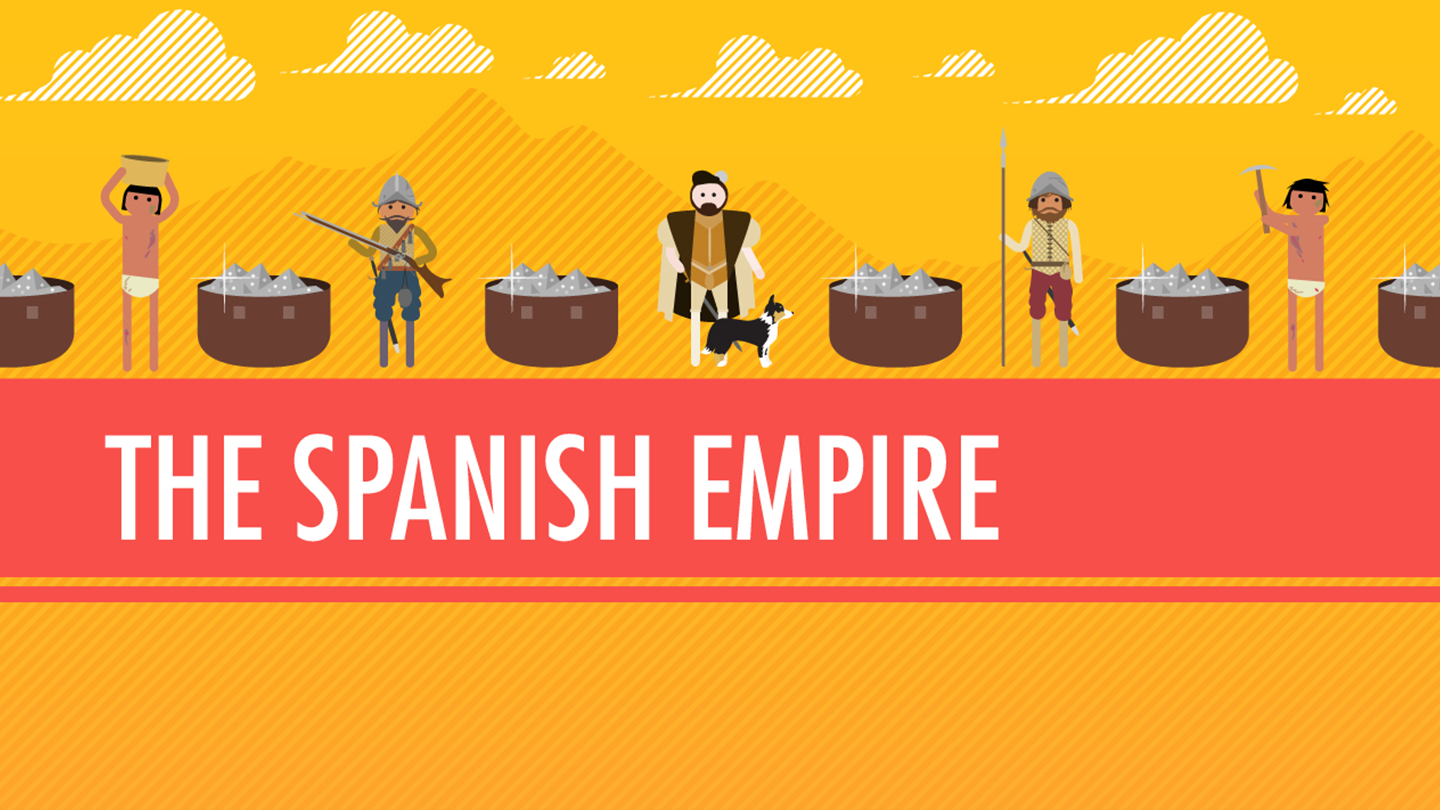
The Spanish Empire extracted huge amounts of silver from their colonies in the Americas. The sudden abundance of this precious metal totally reshaped global economic patterns.
-
Guiding Questions
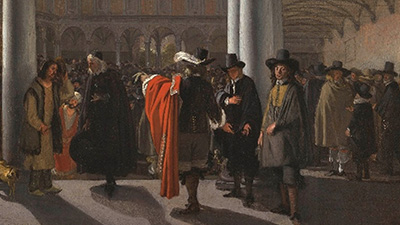
The emerging system of capitalism supported the expansion of European empires—just as those empires helped expand the system of capitalism. Explore the global connections that made it all possible.
-
Guiding Questions
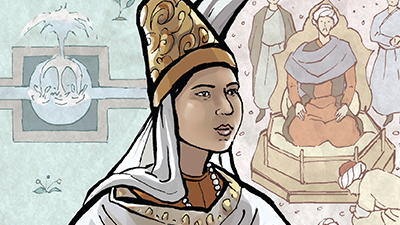
The Mughal Empire produced many goods for trade, but spent a lot of their time trying to keep their people working together. This graphic biography will help you understand how they did it.
-
Guiding Questions
If you want to extend student engagement with the distinctions between land- and sea-based empires, revisit the Comanche Empire video from earlier in this unit and compare that land-based empire to the example of the Omani Empire. We even have a contextualization activity you can use.
Explore a nontypical maritime-based empire and rethink the characteristics of empires during this period.
-
Guiding Questions