Cookie Policy

Our website uses cookies to understand content and feature usage to drive site improvements over time. To learn more, review our Terms of Use and Privacy Policy.

OER Logo

Lesson 6.6 Vocab

dwelling
Jump To Navigation
Definition

a place where someone lives; a home

Use In A Sentence

Her dwelling was a small cabin in the forest.

kiva
Jump To Navigation
Definition

a round, underground ceremonial room used by some Native American groups, especially in the Southwest

Use In A Sentence

The community gathered in the kiva for ceremonies and meetings.

maize
Jump To Navigation
Definition

another word for corn, which was a main food crop in the Americas

Use In A Sentence

Maize was a staple food for many Native American cultures.

obsidian
Jump To Navigation
Definition

Shiny, black volcanic rock often used in the past to make tools and weapons

Use In A Sentence

The Mayans used sharp tools made from obsidian, a type of volcanic glass.

pantheon
Jump To Navigation
Definition

all gods of a people, collectively; a temple dedicated to all of a people's gods

Use In A Sentence

The Ancient Greek pantheon includes the Olympians such as Zeus and Athena.

pochteca
Jump To Navigation
Definition

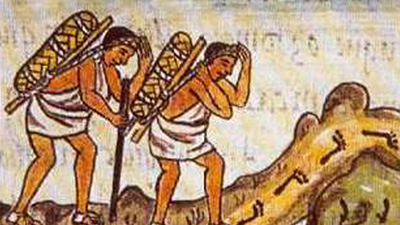
professional merchants in the Aztec Empire who traded goods over long distances

Use In A Sentence

Because the pohteca traveled so widely, they often brought back news and information from faraway places

tribute
Jump To Navigation
Definition

payment given by a subordinate person or power to a dominant one, or an obligation to do so

Use In A Sentence

The smaller kingdom paid tribute to the powerful empire to avoid being attacked.

Trade Routes in the Americas

Driving Question: How were different regions of the Americas connected by trade in this period?

Long-distance networks of exchange stretched across Mesoamerica, the Caribbean, the Andes, the Amazon Basin, and different regions of North America. These networks weren’t as extensive or dense as those in Afro-Eurasia. Still, people living in the Americas formed long-distance networks that carried goods, ideas, and people across continents.

Learning Objectives:

  1. Understand how Indigenous communities in the Americas interacted through networks of exchange in the thirteenth and fourteenth centuries.
  2. Compare how trade networks connected societies in the Americas, and how communities were changed by these connections.
STEP 1

Opener: Trade Routes in the Americas

If you were a thirteenth-century trader in the Americas, what would you sell? Why? Embrace your inner merchant in this activity.

STEP 2

Indigenous American Trade Routes

Teaching Tools

The key here is to have students use the article and video together as they consider how trade routes moved across the Americas.

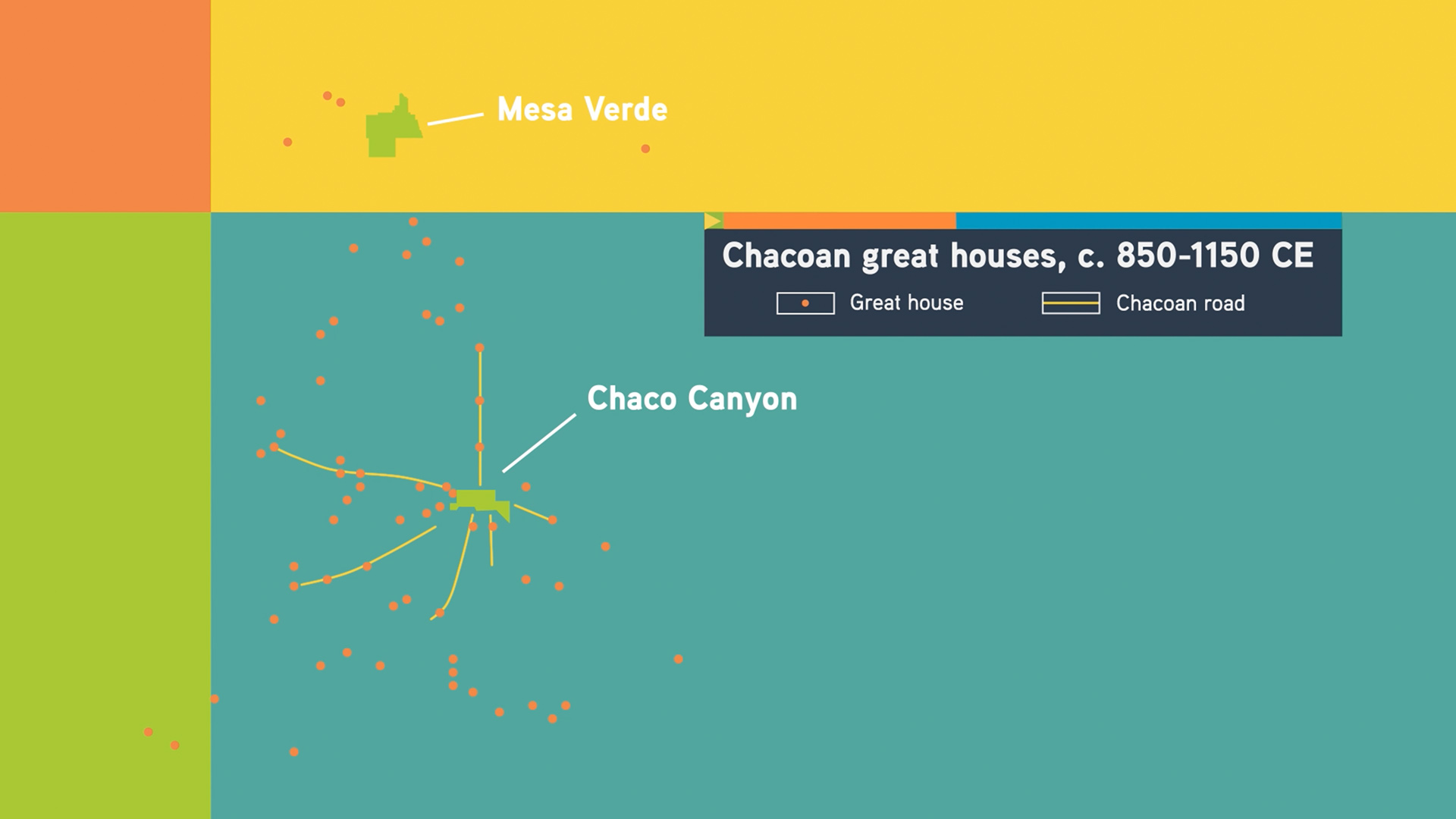
One useful teaching move here is to consider the word center. The video explicitly asks why it’s wrong to think of Chaco as a center, which gives you a chance to help students think in terms of distributed networks and exchange relationships rather than assuming that all important trade networks were run by empires with capitals. This is a good place for comparison to Afro-Eurasia. How do the scale, transport systems, and environmental conditions of American trade routes compare to those across the Silk Roads, Indian Ocean, or Sahara Desert?

Long-distance trade routes moved goods, people, and ideas across every region of the Americas. Use the materials below to understand how these networks shaped Indigenous American societies, and then map out what you learn.

World of Chaco External link

A thousand years ago, the Ancestral Pueblo made Chaco Canyon the center of their cultural world. Their networks stretched across the vast Colorado Plateau.
STEP 3

Closer: Trade Routes in the Americas

Build on your mapping skills and think more broadly about how networks of exchange shaped American communities.
Extension Materials
Checkmark Alert Banner
We often focus on trade routes in Mesoamerica and the Andes, but other regions of the Americas also established long-distance links.
...

The Caribbean

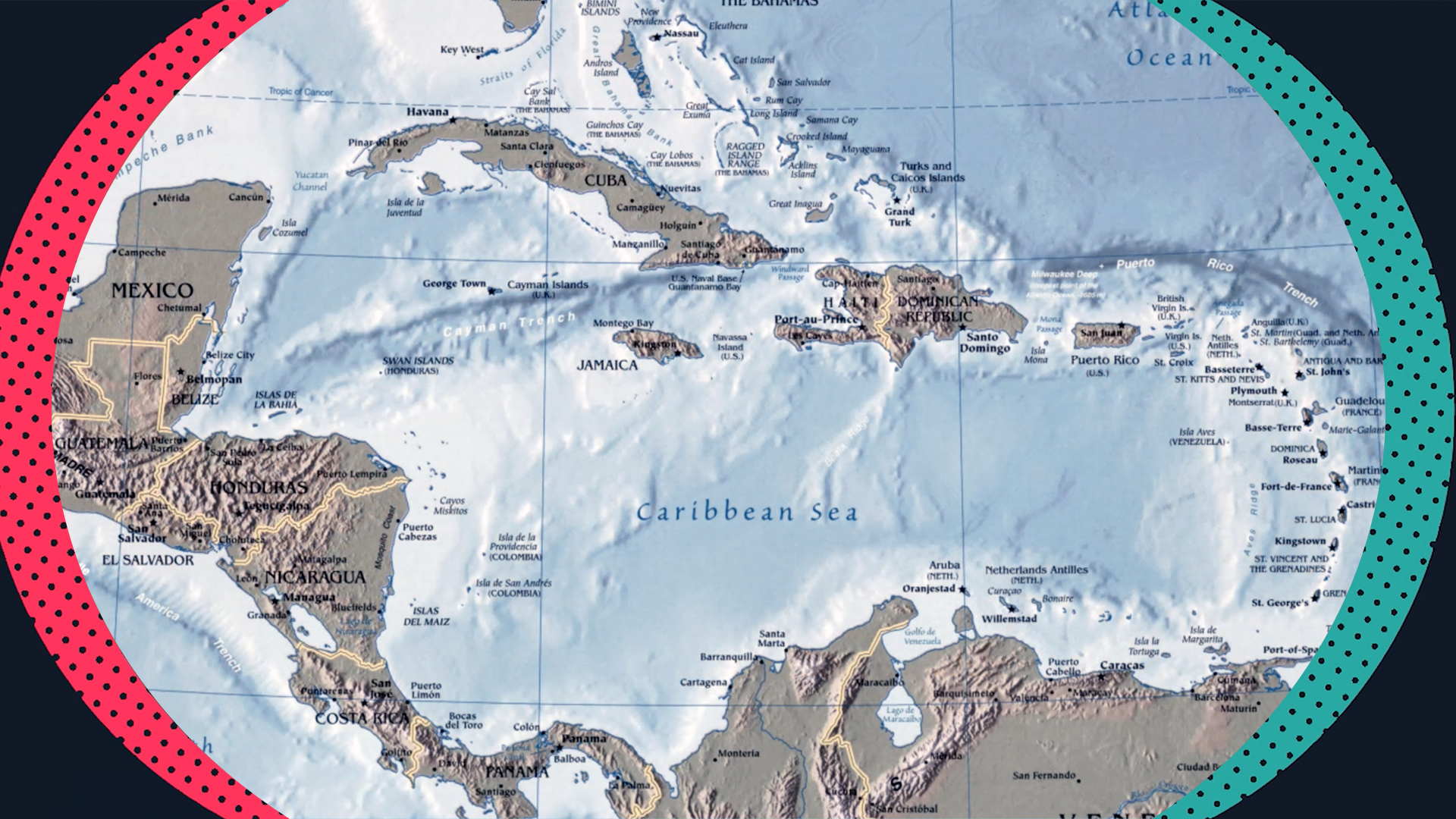
The Caribbean was an important part of a growing center of trade for Indigenous Americans in the precolonial era.

Pre-Colonial Caribbean External link

Indigenous Americans created communities in the Caribbean and established networks of exchange between islands and with the mainland. Trade goods such as jade, ceramics, shells, and teeth moved across aquatic highways.