The Transatlantic Slave Trade


Driving Question: What were the causes and effects of the Atlantic slaving system?
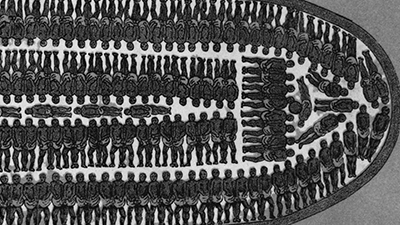
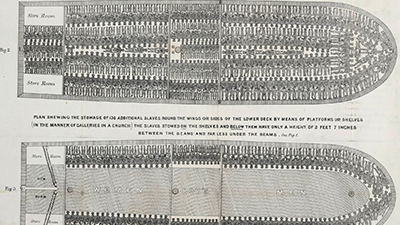
From the sixteenth to nineteenth centuries, the transatlantic slave trade enslaved and transported over 12.5 million Africans to the Americas. Millions died on this “Middle Passage.” For those who survived, other horrors awaited as they were sold into slavery to spend their lives working on plantations.
Learning Objectives:
- Understand and critique the motives and justifications for the transatlantic slave trade.
- Practice quick sourcing to assess first-person accounts of those involved in the transatlantic slave trade.
- Evaluate the effects of the slave trade on communities in Africa and the Americas.
Vocab Terms:
This activity is particularly important in this lesson. It helps set a serious tone, framing the lesson as an entry into the human experience of enslavement, while also preparing students to read survivor testimony with care and seriousness.
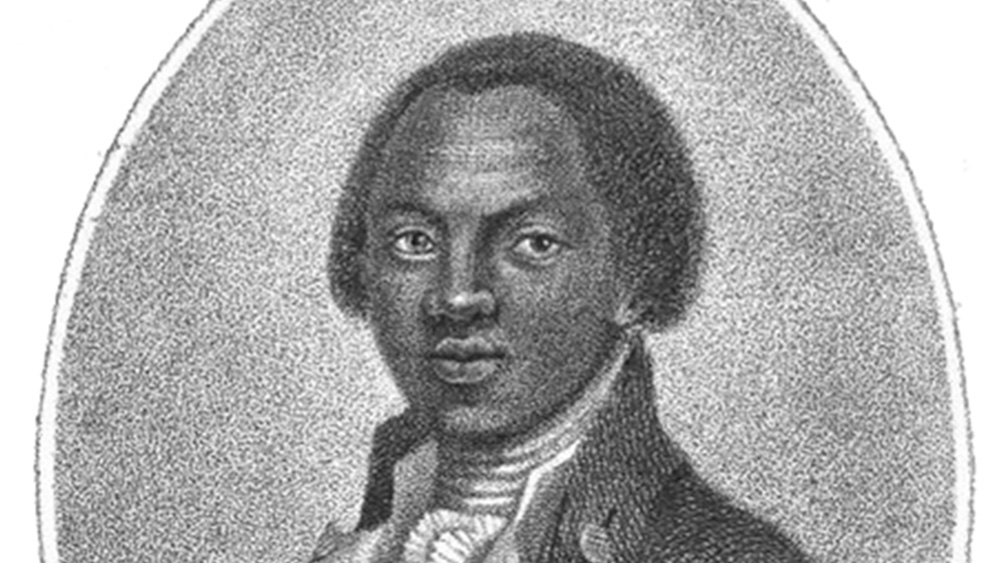
The transatlantic slave trade was a brutal system that treated human beings as property to be bought and sold with little concern for their safety or wellbeing. Reading the words written by formerly enslaved people will help you begin to understand the horrors of this system.


In this article and source collection, you’ll see how Europeans became very wealthy—at the expense of societies in Africa and the Americas—and how enslaved people experienced this system.
-
Guiding Questions



Accessibility: Make sure closed captions are always on. Closed captions are offered in English and Spanish for most videos hosted on the OER Project platform. However, if you and your students need captions in other languages, we recommend viewing the video on our YouTube page, where you can select from a variety of languages.
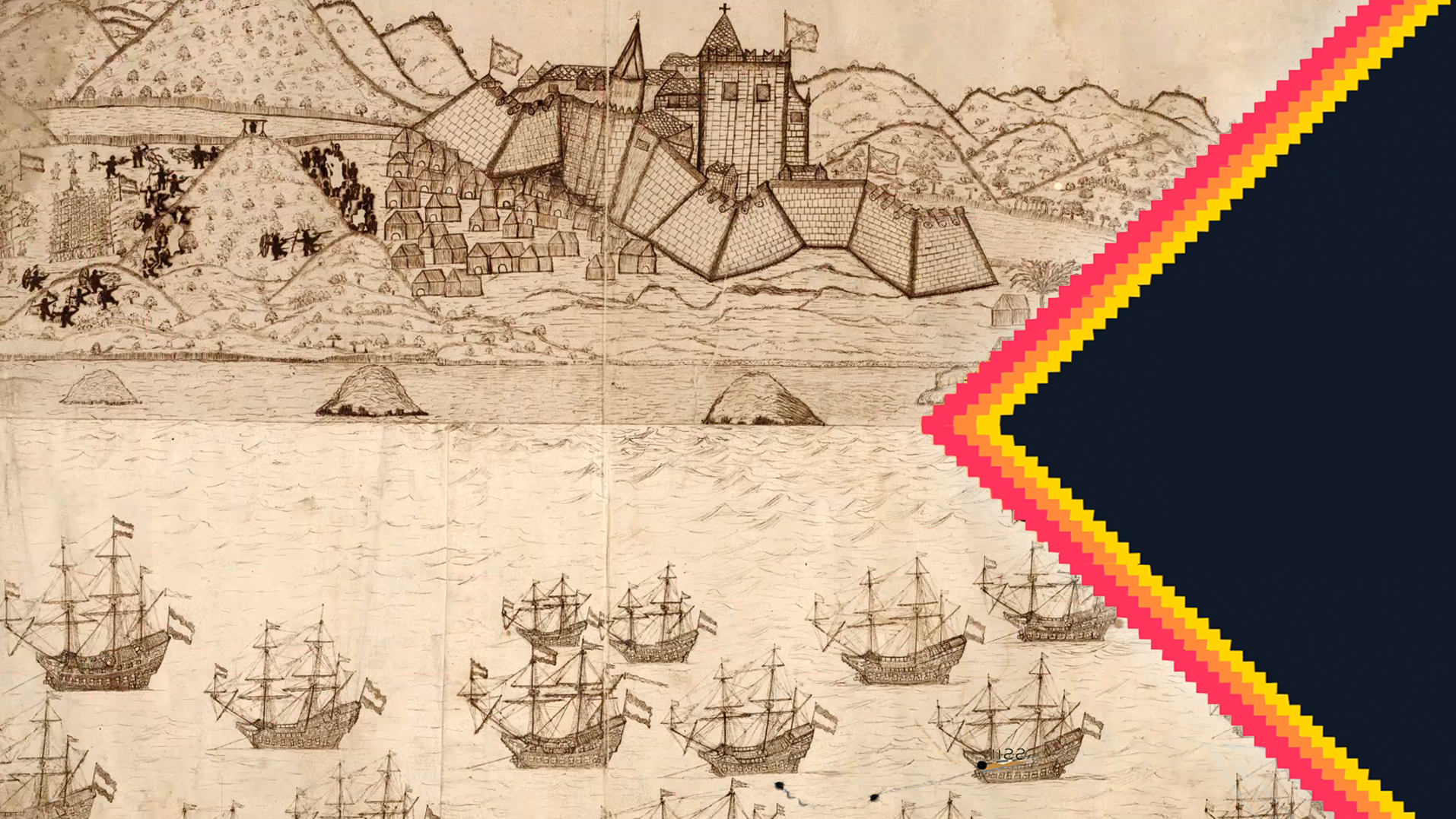
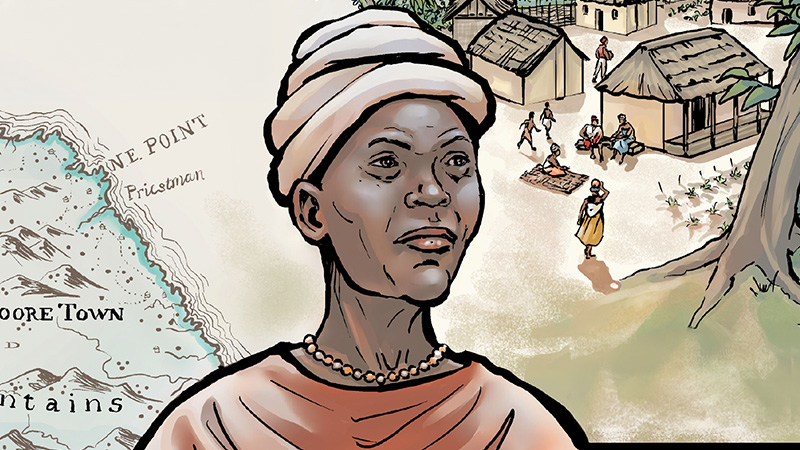
Sometimes, when we focus on smaller scales, we can see the big picture more clearly. We’ll adjust our lenses to focus on a small region in Africa and the life of one enslaved man to better understand how the slave trade affected the entire continent.
-
Guiding Questions
-
Guiding Questions


Students think of slavery and capitalism as separate topics, but this step asks them to explore their close link and development. The article raises a challenging historical debate, so it helps to present it as an argument students can evaluate with evidence. The CCOT graphic organizer provides support for that work.
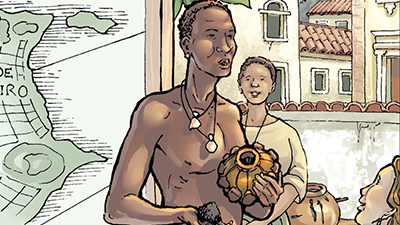
About 12 million Africans were forcibly transported to the Americas during the transatlantic slave trade to work on plantations. Capitalism fueled this trade but once in the Americas, many enslaved Africans participated in rebellions and revolutions to reclaim their freedom.
-
Guiding Questions
-
Guiding Questions
In this unit, you’ve learned about how the world transformed as a result of new global connections. Now, it’s time to reflect on how what you’ve learned has changed what you think.