
Unit 1: The Global Tapestry
- Unit 1 examines how communities, states, and societies changed from c. 1200 to c. 1450 CE.
- The unit builds AP World History comparison skills across regions.
- Students study belief systems, state growth and decline, Chinese influence, innovation, and social structures.
- The page organizes learning materials by AP topics and includes readings, videos, source collections, and practice.
- The unit guide helps with planning, vocabulary, pacing, instructional supports, and offline access.
Unit 1 explores how communities and states grew from c. 1200 to c. 1450 CE. You study belief systems, state growth and decline, Chinese influence, innovation, and social structures across regions. Historical comparison is a core skill in the unit. The page groups materials by AP topics and includes readings, videos, source collections, and skills practice. The unit guide supports planning, vocabulary study, pacing, instructional supports, and offline use. The AP framework centers on key concept 1.0 and connects to one-third of multiple-choice questions, 20 percent of short-answer questions, and 8 to 10 percent of essay questions on the AP exam.
c. 1200 to 1450 CEWelcome to the year 1200 CE, a time of sprawling trade routes and mighty empires. A diverse collection of societies linked huge world regions across a web of interconnections.

Lesson 1.0
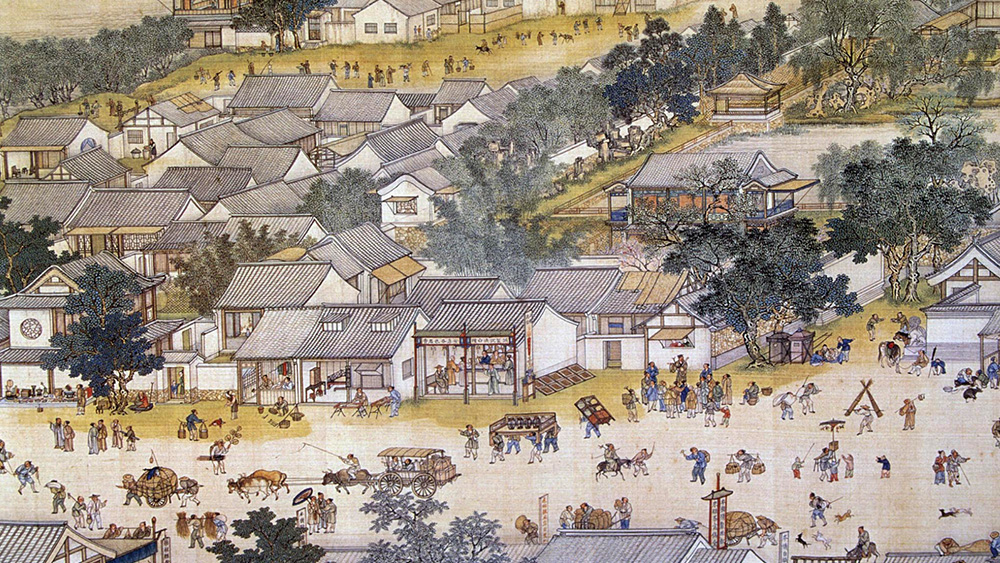
Lesson 1.1
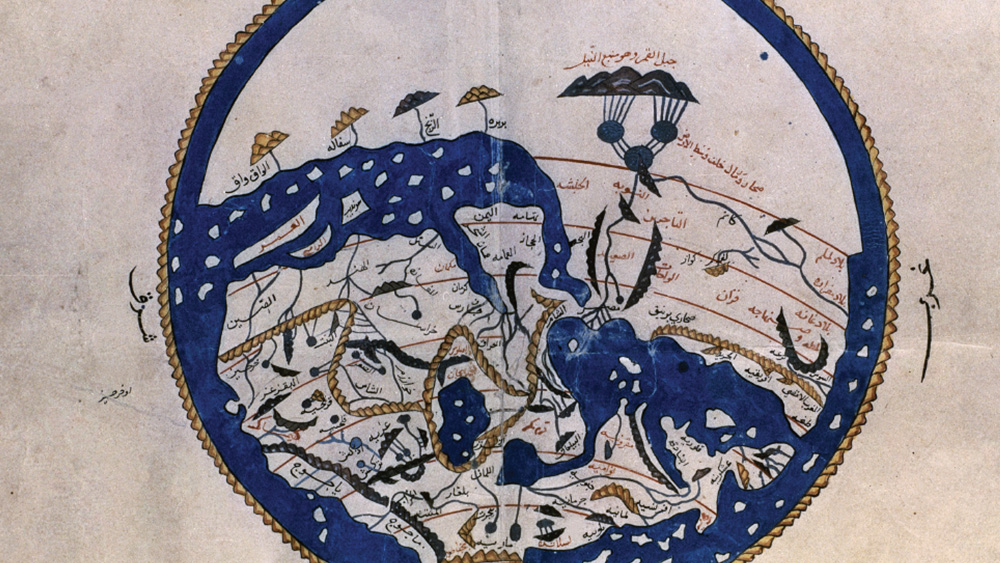
Lesson 1.2
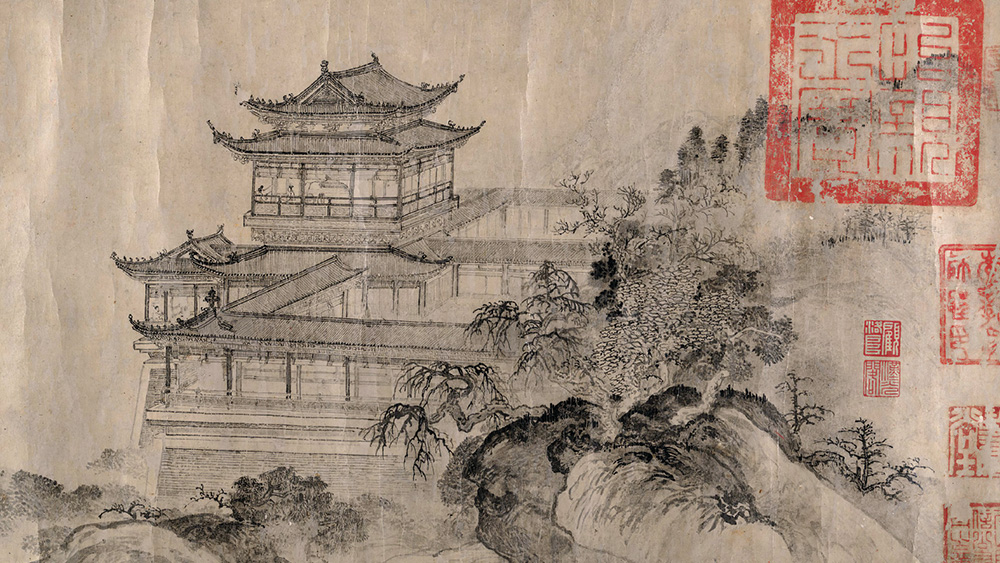
Lesson 1.3
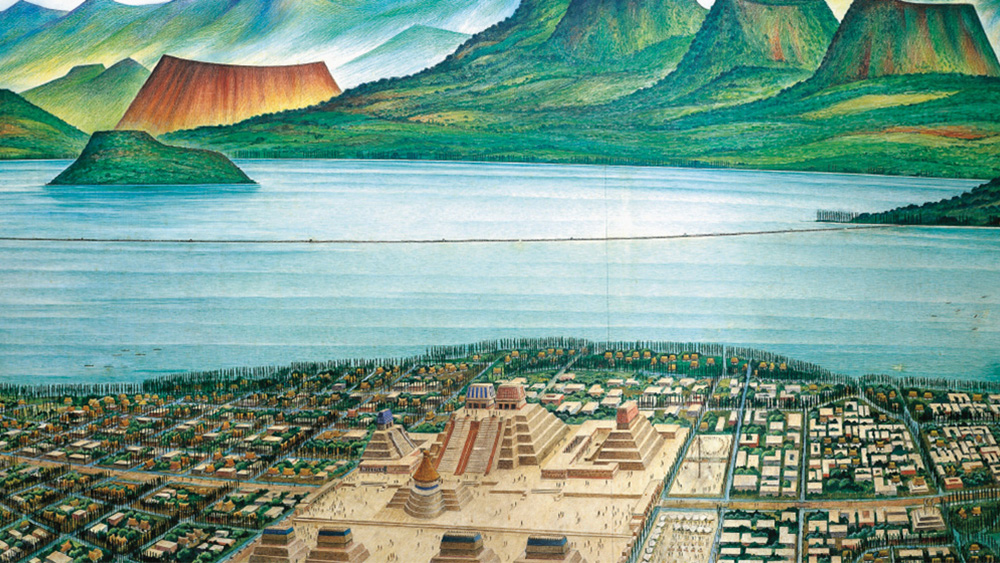
Lesson 1.4
Lesson 1.5
Lesson 1.6
Lesson 1.7
 Teaching This Unit

Unit 1 Vocab
Key Unit 1 vocabulary words and definitions.

Assessment Guide
Learn about OER Project’s approach to assessment.
Using AI with OER Project
Transform your classroom with AI tools aligned to OER Project materials.
Historical Thinking Skills Guide
Develop the skills needed to analyze history and think like a historian.
Differentiation Guide
Research-backed strategies for differentiation, modification, and adaptation.
Unit 1 Teaching Guide
All the lesson guides you need in one place.