
Middle School Geography
Planning to teach middle school geography? OER Project has resources to help students learn the basics of geography and how geographic skills can help them understand the Universe, the Earth, the biosphere, and the history of humanity. Lessons include clear directions, printable worksheets, and built-in checks for understanding to help students with map skills, human migration, climate and biomes, and more. Use a single activity, a full lesson, or combine them into a short unit. Everything is free, standards-aligned, and designed for real classrooms.

 Teaching Middle School Geography

Middle School Geography Standards and Big History Geography Placement
Discover how Big History materials align with the National Geography Standards.

World History Maps
Maps galore! Explore zoomable political and thematic maps ranging from 300 BCE to 1975 CE.

Blog: Here be dragons: Teaching world history in maps
How can maps help us understand the worldview of different societies? This blog explores over 15,000 years of maps, from Europe to Polynesia.

Community: Ask Me Anything: Geography edition
How does geography help students understand history and the world around us? Geography tips and tricks featuring National Geographic Explorer Rachel Hansen.
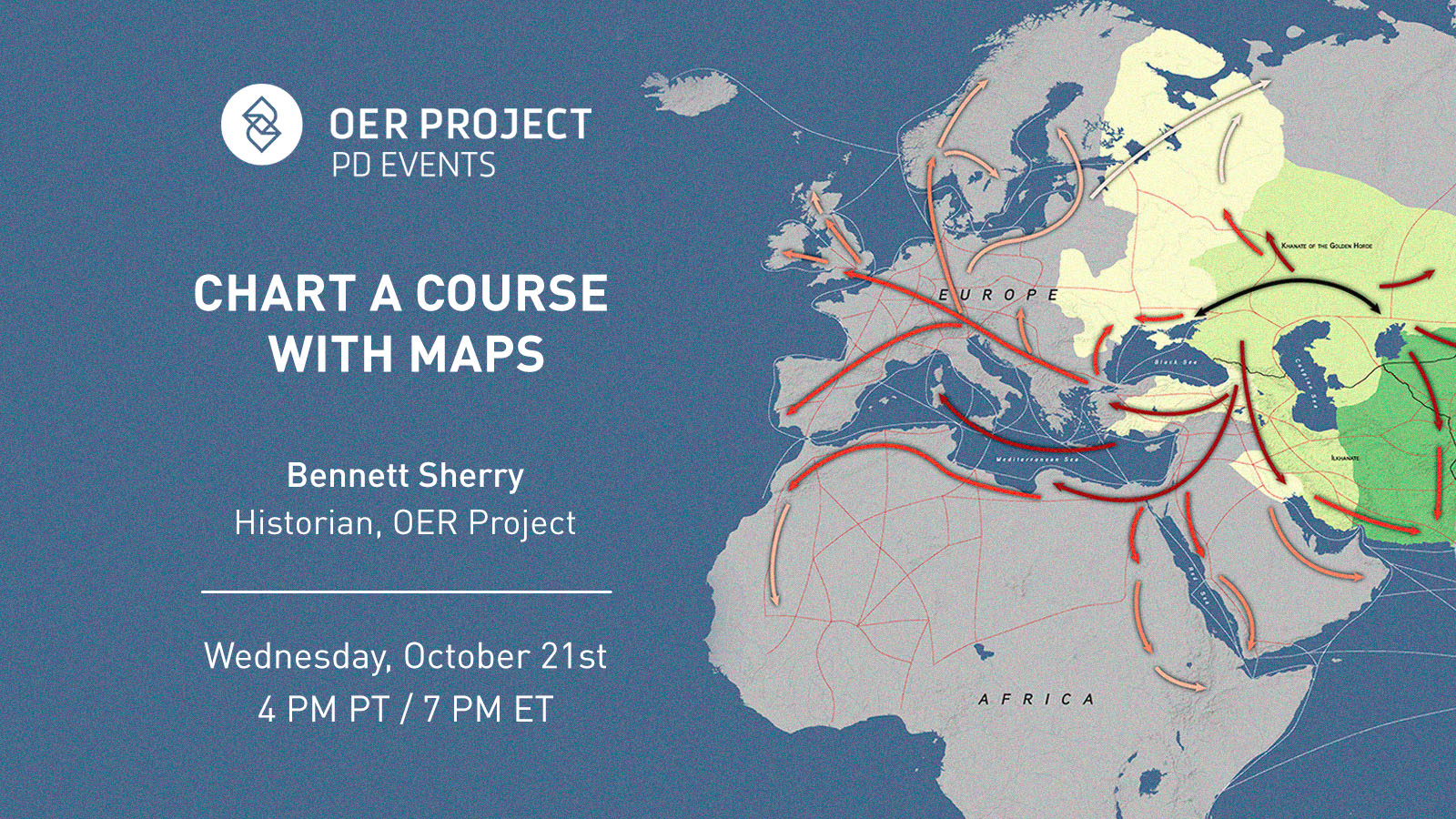
PD Event: Chart a Course with Maps: Geography in Social Studies
Put maps to work in your classroom with ready-to-use resources and teaching tips.
Lessons Connecting Geography, the Universe, and the Earth
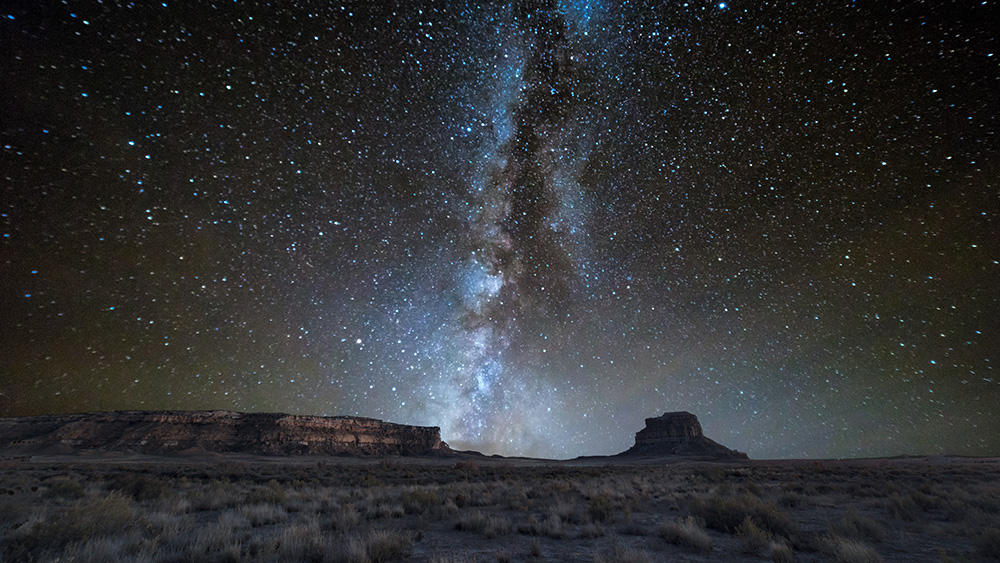
Lesson 1.2.4
Introduction to Geography
Students need the basics of geography before they can dig into analyzing maps and geographic data. Let’s start with exploring geography and scale using maps, both regular and “mental.”
View Lesson
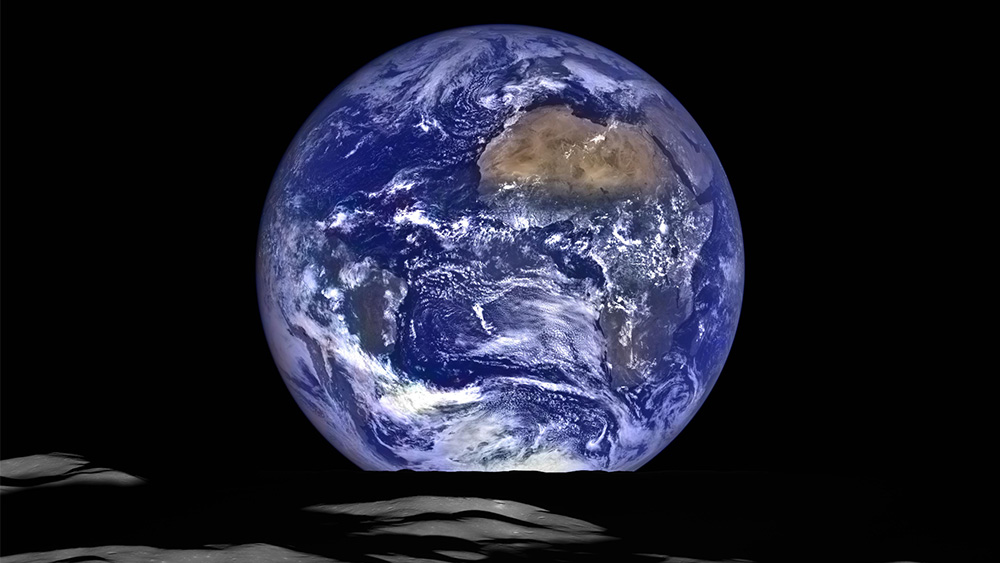
Lesson 2.6
Earth
Learn about the fiery early days of our planet and why this one planet among countless others increased the complexity of the Universe in a way that may be unique.
View Lesson
Map Skills, Spatial Thinking, and Plate Tectonics
Build geography basics, teach students to think of geography in terms of the largest scales, and then, zoom back down to Earth to explore plate tectonics.
Geography: Mental Maps


Activity
Geography: Mental Maps
We create mental maps every day. What can you learn about scale by creating a mental map of your school?
Geography: Map of the Observable Universe

Activity
Geography: Map of the Observable Universe
Explore a special map of the Universe that stretches back billions of years and took 15 years to make.
Geography: Plate Tectonics
Activity
Geography: Plate Tectonics
Can maps really predict the future? Learn how geographers are like detectives solving the mysteries of the future.
Lessons Connecting Geography and Life on Earth
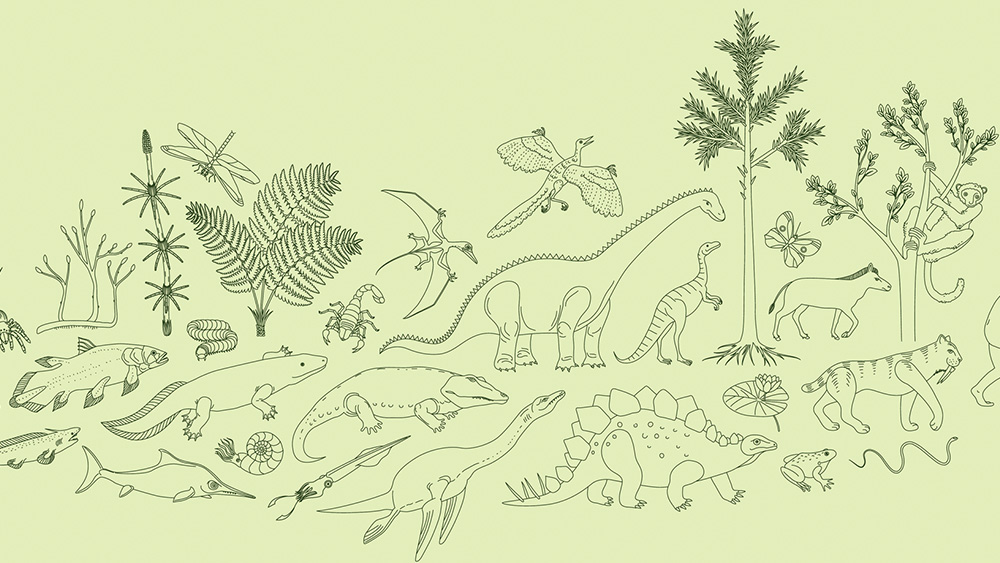
Lesson 3.2.5
Geography and the Biosphere
Students evaluate how geography and climate have impacted life on Earth. They’ll become geography detectives as they analyze climate data and use their map-reading skills.
View Lesson
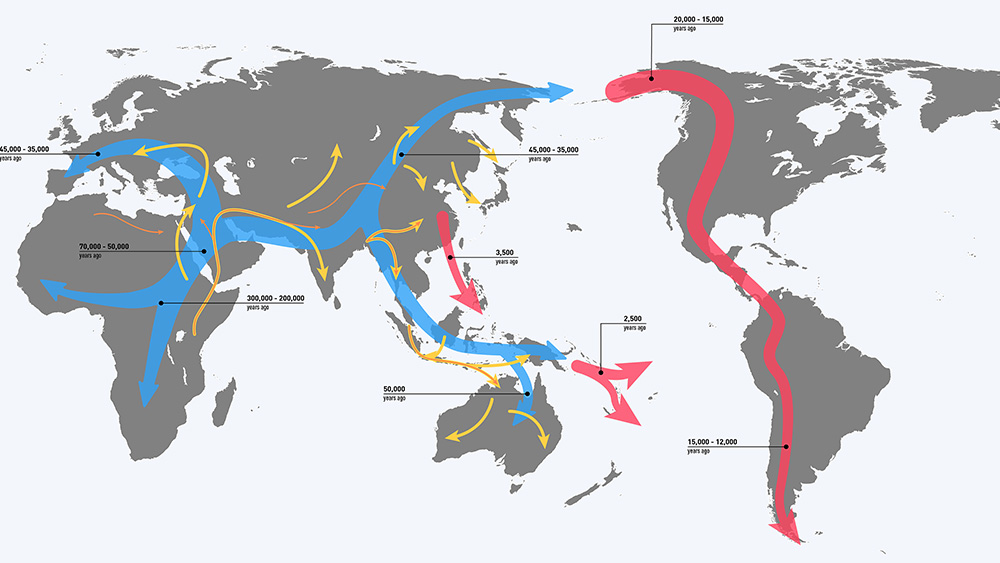
Lesson 4.4
Migration
All humans evolved in Africa, but what made our ancestors journey outside of Africa to eventually populate the whole world? Journey through time and across continents to investigate human migration.
View Lesson
Biomes, the Environment, and Human Migration
Connect global patterns to local places by helping students investigate how geography and climate impact life on Earth, including the push-pull factors that influence human migration.
Geography: Biomes
Activity
Geography: Biomes
You can tell a lot about how the climate and environment impact life on Earth. Use your detective skills to determine the locations in each mystery graph.
Geography: Earth in Motion

Activity
Geography: Earth in Motion
About 100 million years ago, dinosaurs could be found on all over the world. How and why did Earth change after that to leave some animals stranded to evolve on only one continent?
Geography: Migration and Climate
Activity
Geography: Migration and Climate
What factors pushed or pulled early humans to migrate to certain regions of the world?
Lessons Connecting Geography and Human History
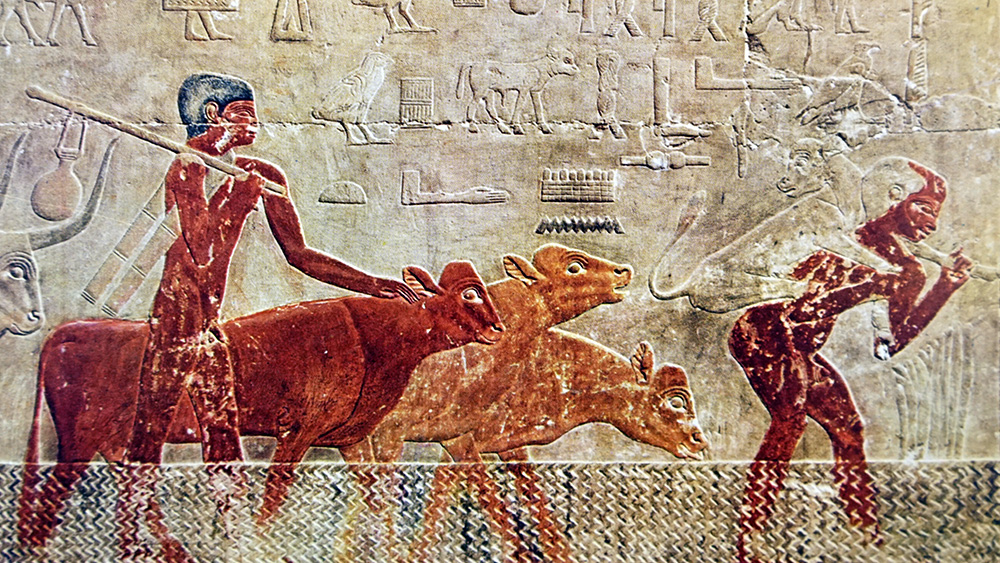
Lesson 5.2
Agricultural Revolution
In what ways did going from foraging to farming revolutionize society? Let’s dig deeper into the details of exactly how agriculture changed human life—for better and for worse.
View Lesson
Lesson 6.3
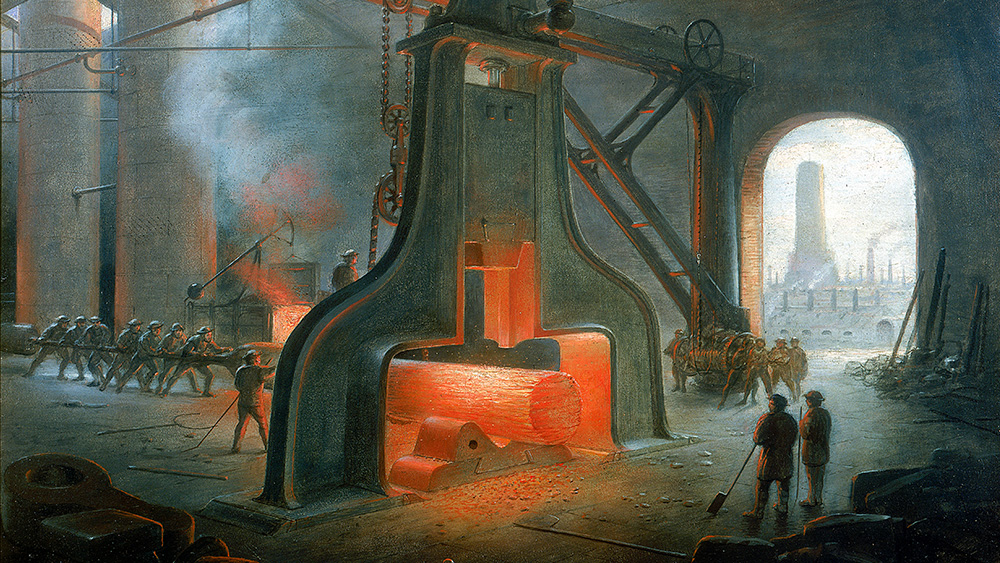
Industrial Revolution
Investigate the forces behind industrialization through a causation opener, test its impact in the urbanization game, and use articles to understand how it reshaped the world.
View Lesson
Farming, Industrialization, and Globalization
Explore activities on how humans changed the environment through farming, the use of fossil fuels, and advances in manufacturing and transportation.
Geography: The Agricultural Revolution
Activity
Geography: The Agricultural Revolution
Can you predict where some of the first crops were grown? Use your geography skills to determine the correct locations.
Geography: Industrialization Mystery
Activity
Geography: Industrialization Mystery
What were the ingredients and Goldilocks Conditions for industrialization? Time to use your geographic detective skills to decide why industrialization began in one place but not the other.
Geography: Supply Chain

Activity
Geography: Supply Chain
You can buy clothes, food, and technology that’s made thousands of miles away. Time to research how all that stuff gets to you.
Geography-Related Assessments in Big History
Prewriting: Earth’s Structure and Processes


Assessment
Prewriting: Earth’s Structure and Processes
How has our understanding of Earth’s structure and processes changed over time? Time to unpack the prompt and brainstorm how you’ll respond.
DBQ Sources: Earth’s Structure and Processes
Assessment
DBQ Sources: Earth’s Structure and Processes
Use evidence from the sources to support your response to how our understanding of Earth’s structure and processes have changed.
Writing: Earth’s Structure and Processes
Assessment
Writing: Earth’s Structure and Processes
How has our understanding of Earth’s structure and processes changed over time? Time to unpack the prompt and brainstorm how you’ll respond.