
Teaching Guides: Course Guides & Instructional Strategies
 Choosing OER Project
Trying to decide which OER Project course is the best fit for you? Find all the details you need to make the choice with confidence. Explore teaching guides, standards alignment documents, FAQs, and course-specific resources including teacher-created course plans—or meet with our team if you want a human to help you think it through.

OER Project Standards Alignment
Find standards alignment documents for representative states.
Frequently Asked Questions
Quick answers to the most common questions about our courses.
World History Video Info Session
Walk through the how and why of teaching OER Project: World History.
Choosing OER Project: World History
From course objectives, structure, assessments, and teacher-generated course plans, get to know OER Project: World History.
World History AP Info Session
Find out how OER Project: World History AP aligns with the CED.
Choosing OER Project: World History AP
Grab our College Board-approved syllabus and see a teacher’s course plan.
Big History Video Info Session
A quick introduction to OER Project: Big History, including why it’s a great fit for middle school.
Choosing OER Project: Big History
Look beneath the hood to see how this science-meets-history course works for middle- and high-school social studies.
Climate Video Info Session
Meet OER Project: Climate, a flexible course that meets science, social studies, and civics standards.
Choosing OER Project: Climate
Whether you need an activity, a lesson, or a semester-long elective, Climate has a place in your classroom. Find a pathway that fits.
Meet with Our Team
Want to phone a friend? Our educators and historians are standing by to help.
Getting Started with OER Project
You chose a course—now make it yours. Map the year with course overviews, pacing guidance, and embedded skills. Understand the OER Project approach to assessment, find primary sources and maps, plan writing practice, and choose the pathway that works best for your students.

World History Origins Course Overview and Pacing
Dig into the periodization, driving questions, and big ideas of OER Project: World History Origins.
OER Project Assessment Approach
Assessment is baked in: low-stakes checkpoints, skills-building routines, and feedback forms.

World History 1200 Course Overview and Pacing
Get the lay of the land with OER Project: World History 1200 with periodization, driving questions, and big ideas.

Primary Source Collection Placement
Find the exact primary source collection you need for tomorrow’s DBQ—or explore them all.
World History 1750 Course Overview and Pacing
Navigate OER Project: World History 1750 with the course periodization, driving questions, and big ideas.
Writing Activities Placement
Quickly locate every writing task across OER Project: World History courses.
World History AP Course Overview and Pacing
See how OER Project: World History AP lessons are a one-to-one match with the AP® World History: Modern CED.

World History Maps Index
It’s like a map to our maps, so you can find the political, thematic, or regional map you need.
Big History Course Overview and Pacing
Open your roadmap to teaching the history of the Universe: objectives, structure, and skills inside.
Middle School Writing Placement
Easily locate activities to grow middle-school writers—from claims, to paragraphs, to DBQs.
Climate Overview
Check out guidance to take students from “what is climate change?” to “what can I do about it?”
Climate Course Pathways
Explore pathways to bring climate learning to your class, whether you’ve got a week or a semester.
 Teaching Historical Thinking Skills
Fuel critical thinking through content. Sounds simple but in our humble opinion it really is rocket science. So, we’ve built teaching guides for each historical thinking skill to help you guide student learning with disciplinary practices. Sourcing, claim testing, causation, and more—these are the skills they’ll need to accelerate in your classroom and beyond.

Teach Sourcing: One-Minute Tips
You’re short on prep time and big on goals. We’ve got just the thing: one-minute sourcing videos with tips that you can use today.
Sourcing
It wouldn’t be social studies without source analysis. Go deeper than “Is this a primary, secondary, or tertiary source?” with our activities, tool, and feedback form.
Claim Testing
To believe or not to believe...a claim. Give students a mental checklist to use intuition, logic, authority, and evidence to fact-check any argument.
Causation
History isn’t a straight line from the past to the future. Help students untangle the web of causes and consequences with historical reasoning tools.
Comparison
Build the practice of comparison, and then take it one step further, pushing students to identify the significance of similarities and differences.
Contextualization
Move beyond “What’s happening here?” with contextualization. Analysis goes deeper when students situate events in the context of time, space, and setting.
Continuity and Change Over Time
Guide students to track continuity and change over time with nuanced thinking, noting historical significance through degree, pace of change, and direction of impact.
Teaching Strategies
Power your planning with practical teaching tips you can use right away. These guides and quick tips offer skills-building strategies, literacy support, ready-to-try classroom moves, and differentiation ideas that help you meet students where they are—and keep them moving forward.
Reading
Check out OER Project’s variety of texts, three-step reading routine, and built-in supports.
Differentiation
Explore a wide variety of strategies that help you meet students’ reading, writing, and activities needs.
Writing
Get to know OER Project’s writing opportunities: informal routines, rubric-based activities, and DBQs.
Informal Writing Routines
Build student confidence with writing by weaving it into your daily routines.
Graphic Biographies
Meet OER Project graphic biographies, and learn how to help students read these unique history comics.
Graphic Biographies Placement
A quick look at all the graphic biographies in OER Project: World History and Big History.
Vocabulary
Find strategies to strengthen students’ vocabulary skills while learning content.
Data Literacy
Data in social studies? Grow student confidence to find the narrative in the numbers.
Discussion
Set the stage for lively discussions with engaging questions, clear norms, and shared goals.
Teaching Sensitive Topics
Strategies to approach complexity in today’s classrooms: plan ahead, model, and reflect.
Using AI Tools with OER Project Resources
Tips to guide your students’ use of AI—and ideas for your own planning with OER Project.
Video
Check out teaching tips to get students actively viewing and making meaning of videos.
AI in the Writing Process
Fire up student cognition with AI as a sparring partner, or design assessments that require deeper thinking.
Geography and Maps
Get students thinking with lessons and activities that introduce regional and global knowledge and invite predictions, then map historical themes with causation and CCOT.
View PD Videos
Don’t stress if you miss a PD session. You can find videos of our PD events to amp up big ideas in your content and fine-tune your teaching strategies.
Rubrics, Assessment Tools, and Graphic Organizers
Give students the scaffolds they need to think like historians, and find focused feedback tools that will guide their progress. These classroom-ready graphic organizers, skills feedback forms, and three-step reading worksheets are ready to print, share, or embed in your LMS.
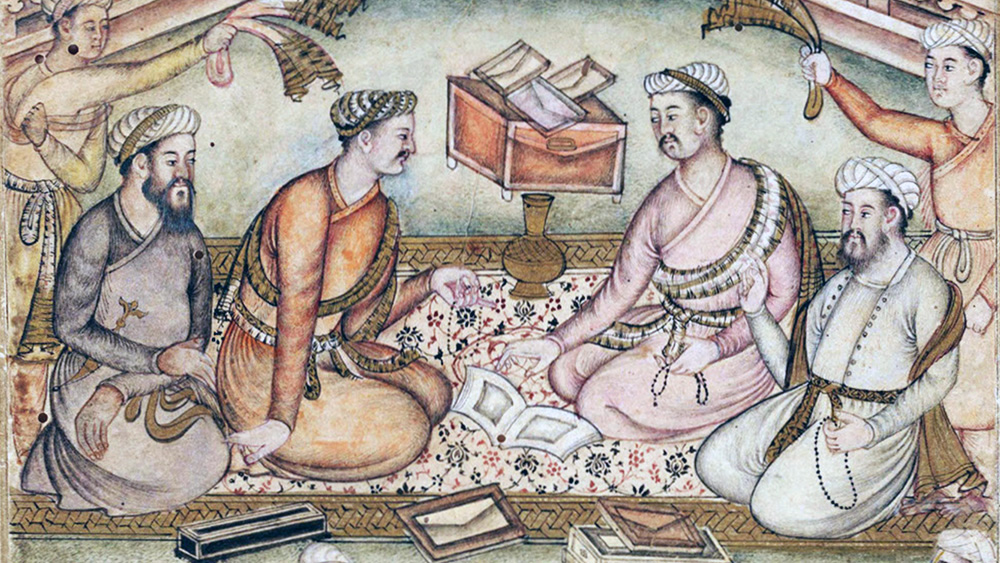
Three-Step Reading for Data
Guide students to read the data, read between the data, and read beyond the data in social studies.
Three-Step Reading for Graphic Biographies
Comics deserve three-step reading too. Help students observe, understand, and connect to the text.

Sourcing Tool
An acronym they won’t forget (HAPPY) scaffolds students’ source analysis.
Sourcing Feedback Form
Break down all of the elements of sourcing to focus your feedback for students.

Claim-Testing Posters
Download these anchor charts to cue students to check authority, evidence, logic, and intuition.
Claim Testing Feedback Form
Check the credibility of students’ claims, counter-claims, and their historical accuracy.
Causation Tool
Scaffold student thinking about long-, intermediate-, and short-term causes and effects.
Causation Feedback Form
Focus your feedback on causation and its historical significance.
Comparison Tool
A graphic organizer to describe similarities, differences, and their significance.
Comparison Feedback Form
Make your feedback count with comparison criteria and quick notes for students.
Contextualization Tool
A tactile tool to place events in the broad or narrow context of an event.
Contextualization Feedback Form
Give students clear feedback on their contextualization of an event.
CCOT Tool
Graph continuity and change over time, plot the positive and negative effects, and then form a thesis.
CCOT Feedback Form
Show students what they did well and where they can improve in their CCOT analysis.
Classroom Posters and Infographics
Put your walls to work with decor that will catch students’ eyes and activate their minds. You’ll find posters and infographics covering history concepts to teaching moves that you can download and print or pass along to a teacher friend.
5 Better Ways to Get Students Talking
Try these quick student discussion strategies to get more students thinking out loud.
10 Questions That Push Student Thinking
You make at least 1,000 decisions a day in your classroom. So, we made you a menu of questions to promote critical thinking even when your own brain is tired.
10 Ways to Get Students to Read and Actually Think
The temptation to click “Summarize” is real. Try these active-reading strategies to help students turn their brains on when reading.
12 Ways to Bring Informal Writing to Your Classroom
A teachers’-choice board of writing-to-learn activities that fit in whatever lesson you’re teaching next.

5 Smarter Ways to Use Video in Your Classroom
Do more with video without overthinking it. Try five simple strategies that spark active engagement.
Spot Misinformation: 10 Ways to Teach Data Literacy
Yes, data belongs in social studies. And yes, students need help questioning, evaluating, and making sense of data as evidence. Try these moves.
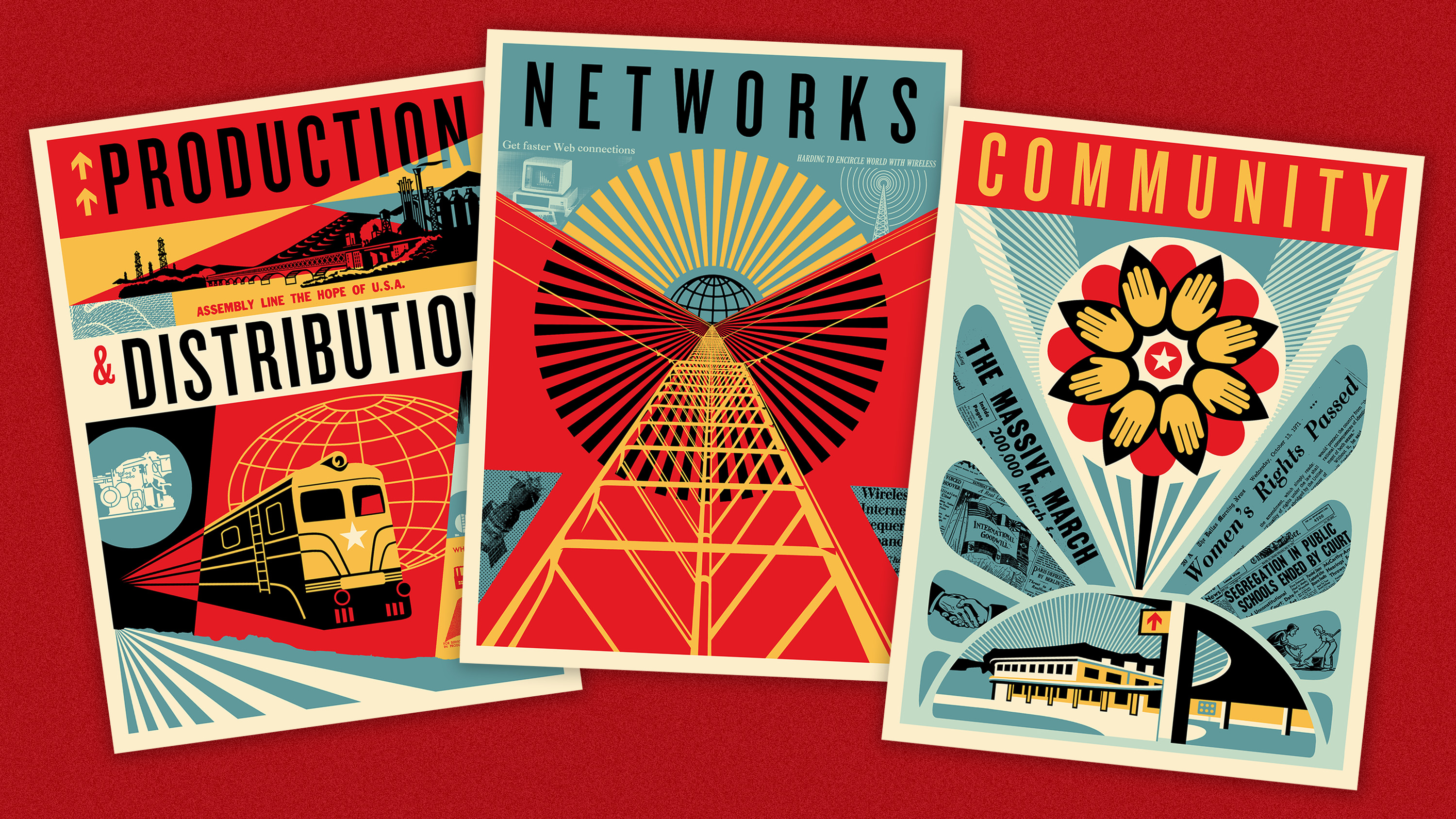
Shepard Fairey x OER Project Posters
Download the History Frames posters from artist Shepard Fairey. Your walls (and maybe even students) will thank you.