
DBQ Source Summaries: The Columbian Exchange

WORLDHISTORY PROJECT ORIGINS / LESSON 6.8 ACTIVITYDBQ SOURCESUMMARIES: COLUMBIAN EXCHANGEUnless otherwise noted, this work is licensed under CC BY 4.0. Credit: “DBQ Source Summaries:Columbian Exchange”, OER Project, https://www.oerproject.com/1Note to Teachers:Below are summaries of the sources in DBQ Sources:Columbian Exchange. Theseare meantto provide you a quick understanding of the document types and content so you can decide which sources you want your students to use. You may choose to provide these summaries to your students as additional scaffolding.Source SummaryDocument 1 (Image and text)Source: Florentine Codex(1540–1585), collected by Franciscan Friar Bernardino de Sahagún, Book XII folio 54 [detail]. English quoted texts translation from James Lockhart, We People Here: Nahuatl Accounts of the Conquest of Mexico(Berkeley: University of California Press, 1993), 181–185. https://commons.wikimedia.org/wiki/File:FlorentineCodex_BK12_F54_smallpox.jpg.This image shows the suffering endured by the Mexican people after the Columbian Exchange began. Diseases such as small pox ravaged indigenous cultures throughout the Western Hemisphere as a result of contact with Europeans.Document 2 (Text)Source:Bernal Díaz del Castillo, The Discovery and Conquest of Mexico, 1517–1521, (trans. A.P. Maudslay (London: George Routledge, 1928), 269–270. (This book is an abridged version of the author’s memoir, The True Story of the Conquest of New Spain, first published in 1576.) https://archive.org/details/in.ernet.dli.2015.81431/page/n9.This firsthand account of a soldier under Hernán Cortés describes the majesty and beauty of Tenochtitlan and the surrounding areas in Mexico prior to being conquered.

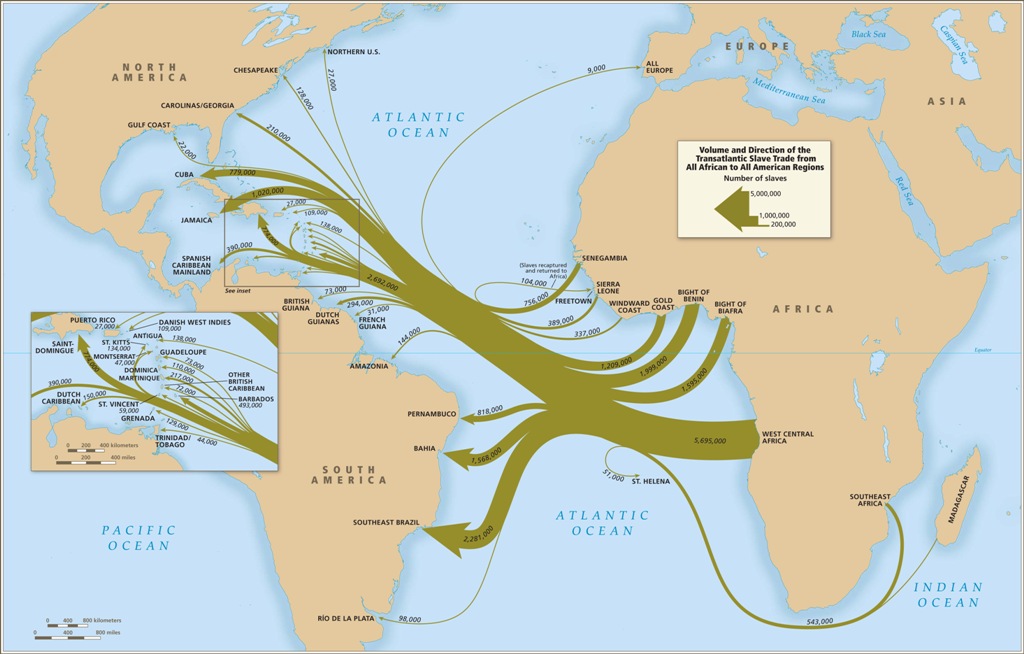
WORLDHISTORY PROJECT ORIGINS / LESSON 6.8 ACTIVITYDBQ SOURCESUMMARIES: COLUMBIAN EXCHANGE2Source SummaryDocument 3 (Text)Source: Reprinted in Miguel León-Portilla, The Broken Spears(Boston: Beacon, 1962), 137–138.Note: This source may be disturbing to some students. We recommend you review it in advance.This poem, written by an Aztec Poet, portrays the desperate conditions that existed after the 1521 conquest of Tenochtitlan by Cortés and his men. The poem uses incredibly descriptive and disturbing imagery to illuminate the horrific situation the indigenous people of what is now Mexico City faced in the aftermath of their defeat.Document 4 (Text)Source:Nathan Nunn and Nancy Qian, “The Columbian Exchange: A History of Disease, Food, and Ideas,” The Journal of Economic Perspectives24, no. 2 (Spring 2010), 183–184. In this excerpt from The Journal of Economic Perspectives, authors Nathan Nunn and Nancy Qian discuss the many things exchanged during the time of Columbus, including not only food such as sugar and coffee, but also diseases for which the indigenous peopleof the western hemisphere had no defense.Document 5 (Text)Source:Ned Blackhawk, “Teaching the Columbian Exchange,” OAH Magazine of History27, Issue 4 (October 2013), 31–34. https://academic.oup.com/maghis/article-abstract/27/4/31/1113970.Despite increased European settlement in the Western Hemisphere and the attendant challenges such settlement created, the Indigenous authority still endured. This excerpt from an article by Yale professor and Te-Moak tribe member Ned Blackhawk explains the importance and influence of the various indigenous self-rule that existed in North America during this time.Document 6 (Map)Source: Slave Voyages, Emory University (2019), the Trans-Atlantic and Intra-American slave trade interactive database. https://www.slavevoyages.org/static/images/assessment/intro-maps/09.jpgThis map shows the various Trans-Atlantic and Intra-American slave trade routes used during the Columbian Exchange.
WORLDHISTORY PROJECT ORIGINS / LESSON 6.8 ACTIVITYDBQ SOURCESUMMARIES: COLUMBIAN EXCHANGE3Source SummaryDocument 7 (Image)Source: Anonymous painting, Las Castas, Museo Nacional del Virreinato, Tepotzotlán, Mexico, 18th century. https://commons.wikimedia.org/wiki/File:Casta_painting_all.jpgThis 18thcentury painting shows the various social classes that existed in Mexico during the 18thCentury.
