Experiencing Globalization

Driving Question: What challenges does globalization present to different communities around the world?
From forced migration to cultural resistance, people around the world have responded to globalization in different ways. These stories show how individuals work to protect their rights, identities, and communities.
Learning Objectives
- Create arguments using historical evidence to support claims and communicate conclusions through informal writing.
- Use evidence to evaluate how different communities experience and respond to globalization.
- Use a graphic biography to support, extend, or challenge the overarching narratives of this period.
Vocab Terms:
As the world becomes more global, many communities struggle to assert their own identities and preserve their cultural heritage. This excerpt and activity will help you understand how different communities experience globalization.


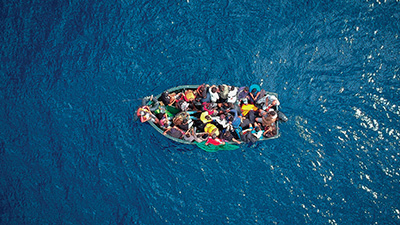
Globalization has made movement easier for some but has forced it upon others. These materials highlight how refugees and migrants have navigated conflict, borders, and belonging in the modern era.
-
Guiding Questions

-
Guiding Questions
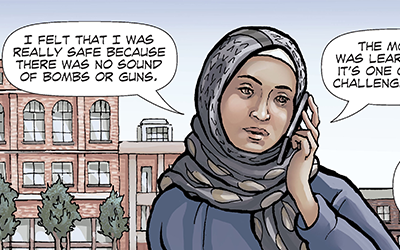

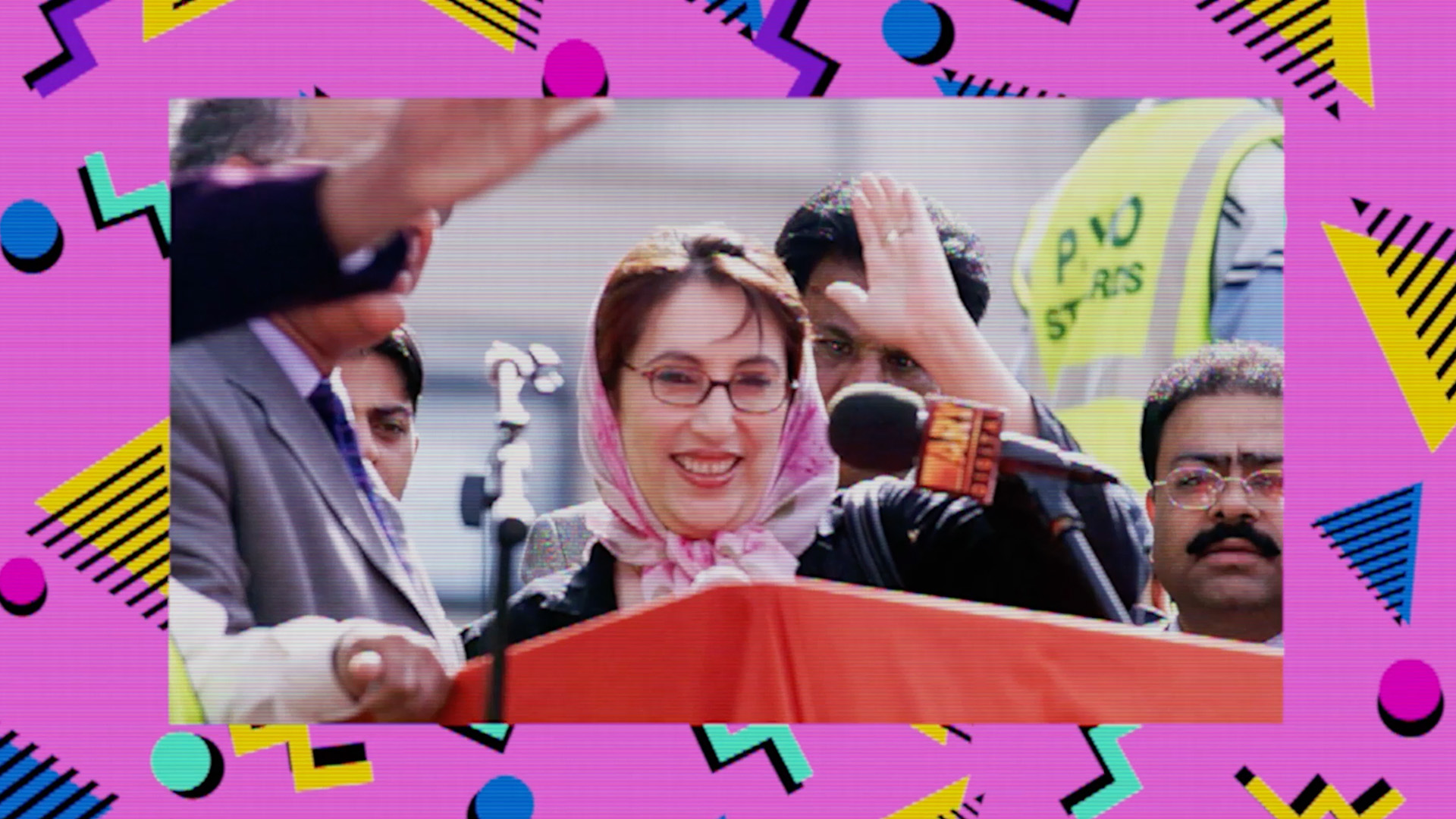
Consider how globalization intersects with gender, politics, and religion through the story of Benazir Bhutto—Pakistan’s first female leader and a symbol of both progress and controversy.
-
Guiding Questions


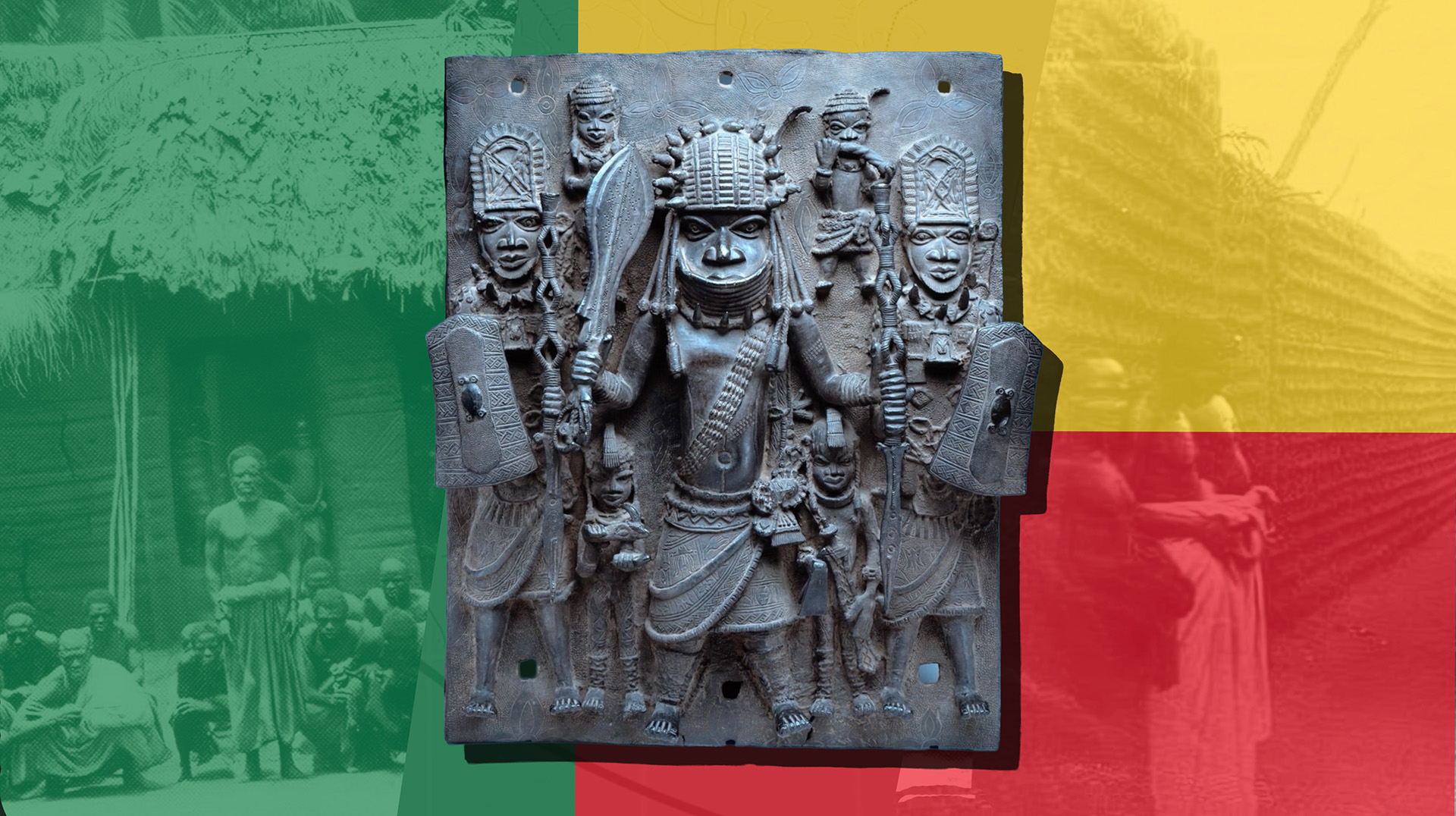
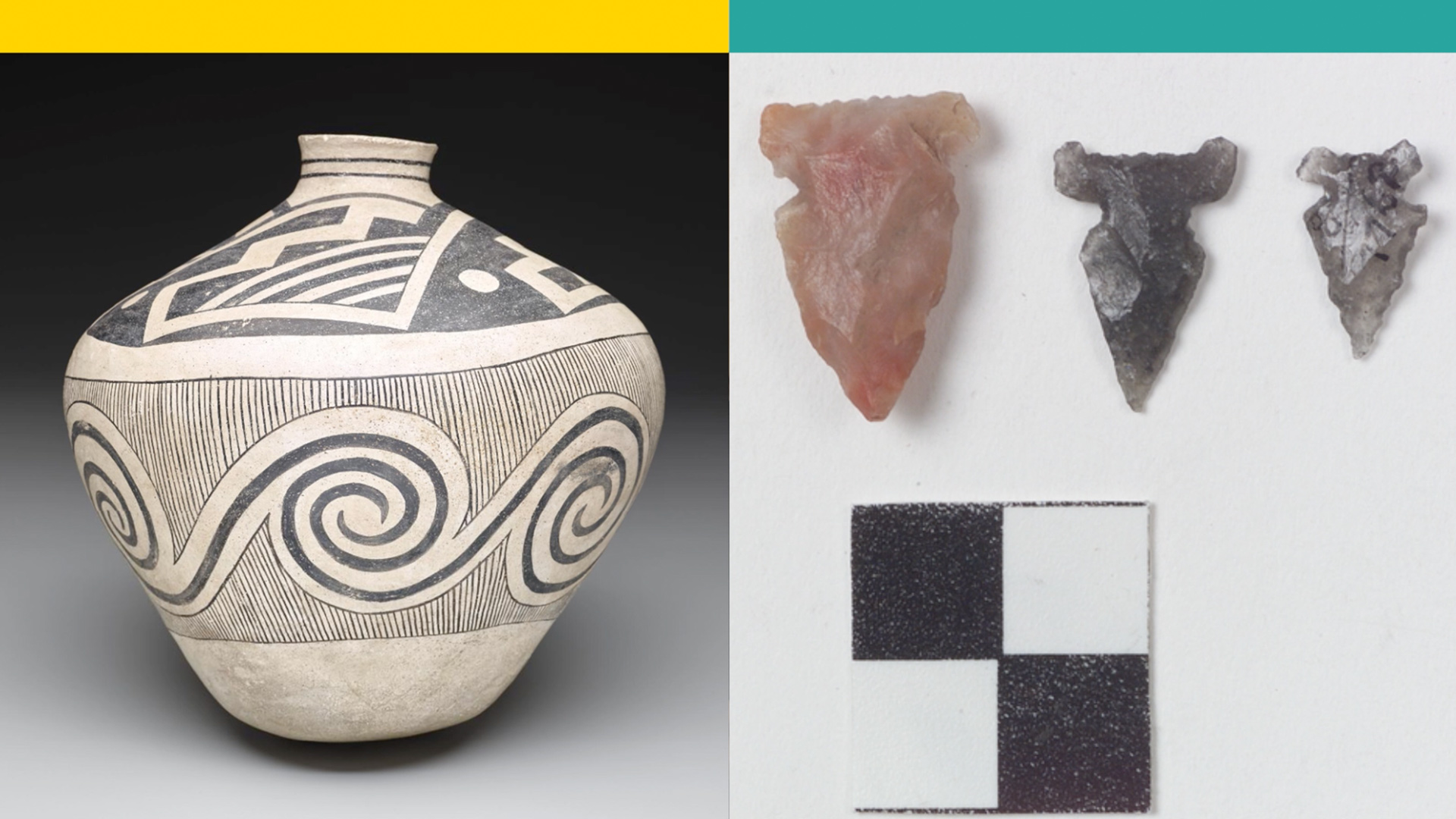
These videos are an important way to make Indigenous and formerly colonized communities more visible to students. It’s also a good chance to raise some important discussion questions about the study of history. Archaeology and anthropology have taught us a great deal about ancient cultures, but many studies in the nineteenth and twentieth centuries were unethical, and today, Indigenous communities are fighting to have artifacts returned. Ask your students: Who “owns” history?
Did you know: The Native American Graves Protection and Repatriation Act, or NAGPRA, was signed in 1990 and created formal processes for returning Native American human remains and sacred or cultural objects to lineal descendants, tribes, and Native Hawaiian organizations.
Globalization has often threatened cultural heritage and sovereignty. These materials explore how Indigenous and formerly colonized communities have pushed back by reclaiming the past and protecting the future.
-
Guiding Questions
-
Guiding Questions
-
Guiding Questions
Take a step back and compare what you’ve learned. This activity helps you identify patterns of change and continuity across regions, cultures, and global events.


Globalization can be a complicated topic, but you’ve built your knowledge of it throughout the unit. Let’s dive in and analyze how much your thinking has developed.


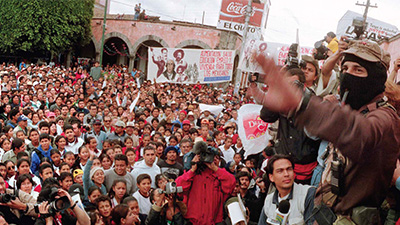
Not all communities embrace globalization. In this step, you'll examine how non-state actors challenge global systems and claim autonomy. These stories add complexity to our understanding of how people experience and react to global change.
-
Guiding Questions
-
Guiding Questions