Global Conflicts
Teacher Resources

Driving Question: How have the tensions of globalization sparked new conflicts?
A more-connected world hasn’t necessarily meant a more-peaceful one. Discover how global tensions continue to fuel unrest around the world.
Learning Objectives:
- Use evidence to analyze how globalization has contributed to modern conflict and resistance.
- Use the historical thinking practice of claim testing to analyze the effects of globalization.
After the horrors of the early twentieth century, many sought to prevent further atrocities. Use this quick opener to consider their successes and failures.


Note: The claim-testing activity here is intended as a teacher-led, collaborative activity. If you’re pressed for time, students can easily complete this activity independently or with a partner.
Be sure to read the instructions for this activity in the Lesson Guide and print out a set of the claim cards for each student group.
Even as globalization connects the world, deep divisions remain. With these materials, you’ll explore how nationalism and human rights violations have challenged efforts to create a more-peaceful and cooperative global society.
-
Guiding Questions




Did you know: The word genocide did not exist until 1944, when Polish-Jewish lawyer Raphael Lemkin coined it and pushed to make it a crime under international law.
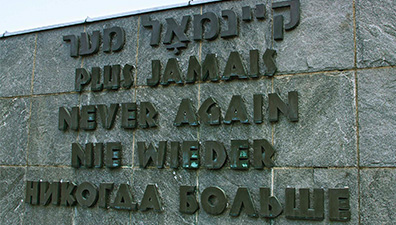
After the Holocaust, the world proclaimed, “Never again.” But genocides and other mass atrocities have happened, again and again. Why? This video, article, and activity will help you find answers.
-
Guiding Questions

-
Guiding Questions
If you’re looking to extend student learning about the attacks of September 11, 2001, and their aftermath, check out this article for a deeper read that digs into questions about the cultural and economic background of the conflict.
How could the events of one day completely change the world? Learn about the effects of the 9/11 terrorist attack and they continue to impact our lives.
-
Guiding Questions
.jpg?rev=a278518d62504525b30abd0c19778e86)
Reflect on how our global connections have both created new communities while also igniting new conflicts.



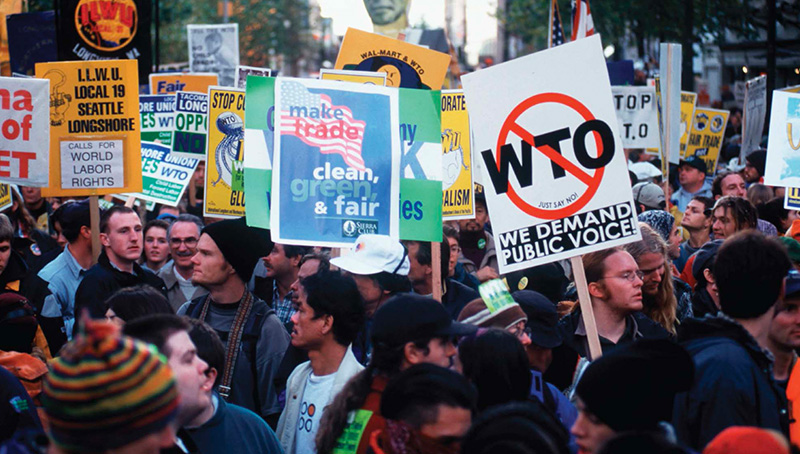
If you have the time, the sources in this Resistance to Global Institutions collection are a useful extension to this lesson. They help emphasize agency after a lesson about mass atrocities. It’s a good reminder that individuals have repeatedly challenged global institutions and systems.
Globalization hasn’t just connected people—it has also sparked resistance. These sources show how individuals and groups have challenged global systems, offering more insight into the tensions that shape today’s world.