Acceleration
Teacher Resources


Driving Question: How has change accelerated in the last 500 years?
Just 500 years ago, we lived in four distinct world zones. Now, we’re linked by a global network of information and commerce. How did this happen so quickly and what challenges did this acceleration bring?
Learning Objectives:
- Describe accelerating global change.
- Explain the impact of acceleration on population, technology, and the environment.
- Use data to make inferences about the past and present.
Vocab Terms:
Did you know that the global population reached 1 billion people around 1800? In 1950, there were 2.5 billion of us. In 2022, we numbered 8 billion. That’s a stark illustration of this lesson’s emphasis on acceleration. Most of human population growth has happened very recently.
The simplest things you do every day, from flicking on a light switch to turning on an oven, require an amount of energy that would have been baffling just a few hundred years ago. Let’s think about what that change means.


This video, slideshow, and activity align with Standard 6 (culture and experience influence people’s perceptions of places and regions) of the National Geography Standards (NGS). For more information about how Big History materials align with NGS standards, check out this standards alignment and placement resource.
Closer connections between world zones meant more collaboration, innovation, and collective learning. This video and activity get into why that is.
-
Guiding Questions
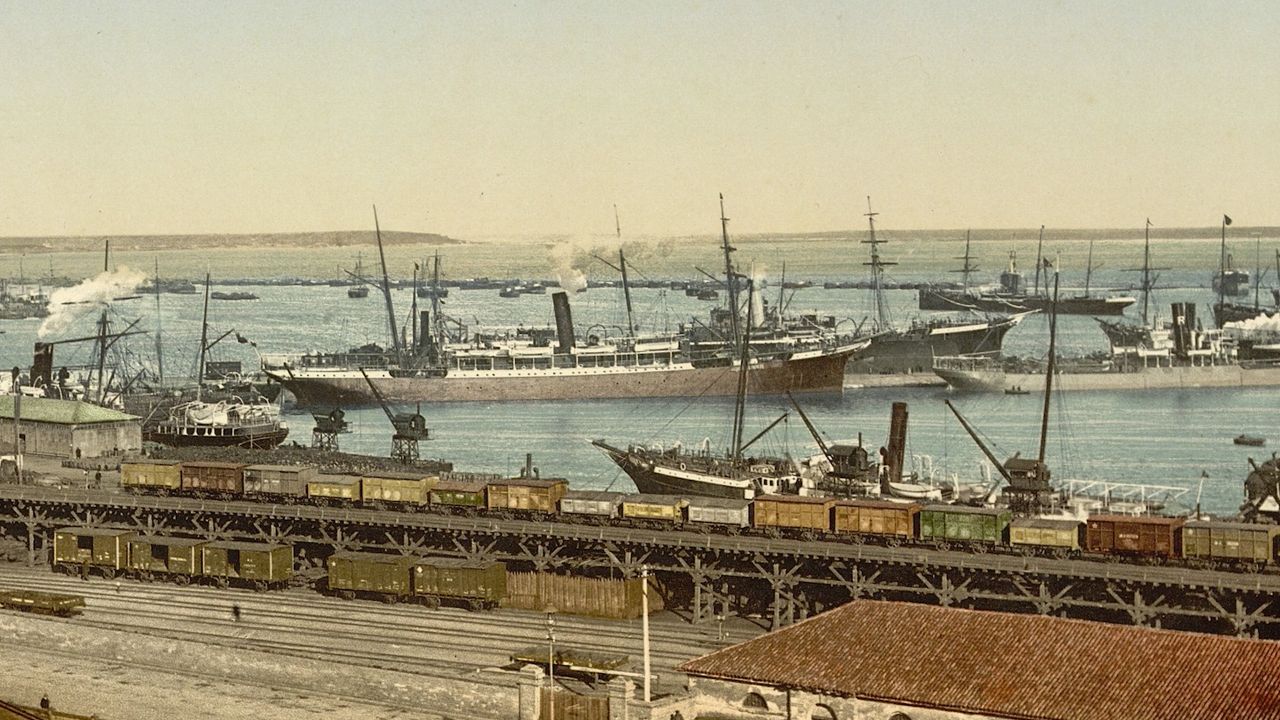


Mapping the World Data


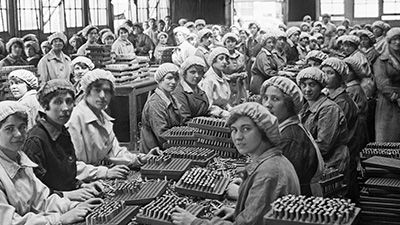
An OER Project teacher shares why she never skips this article: “Using the life of Vera Brittain as a lens, this article explores the role of war in advancing technology and guides students through the philosophical implications of acceleration in an accessible yet thought provoking way.”
Is life better after five centuries of incredibly rapid change? Let’s see how you feel after reading this article and working through the activity.
-
Guiding Questions


This time-traveling letter-writing activity is a great opportunity for informal writing. Informal writing helps solidify ideas and support retention and understanding of concepts, events, and eras. For more support on informal writing, including its benefits, check out the first two pages of the Writing Guide.
You’ve “traveled” quite a long way during this lesson. Time to use your imagination as you look back on how much has changed.



As change accelerated, the environment suffered—but some people sought solutions to overcome these negative effects.
-
Guiding Questions