
The Columbian Exchange
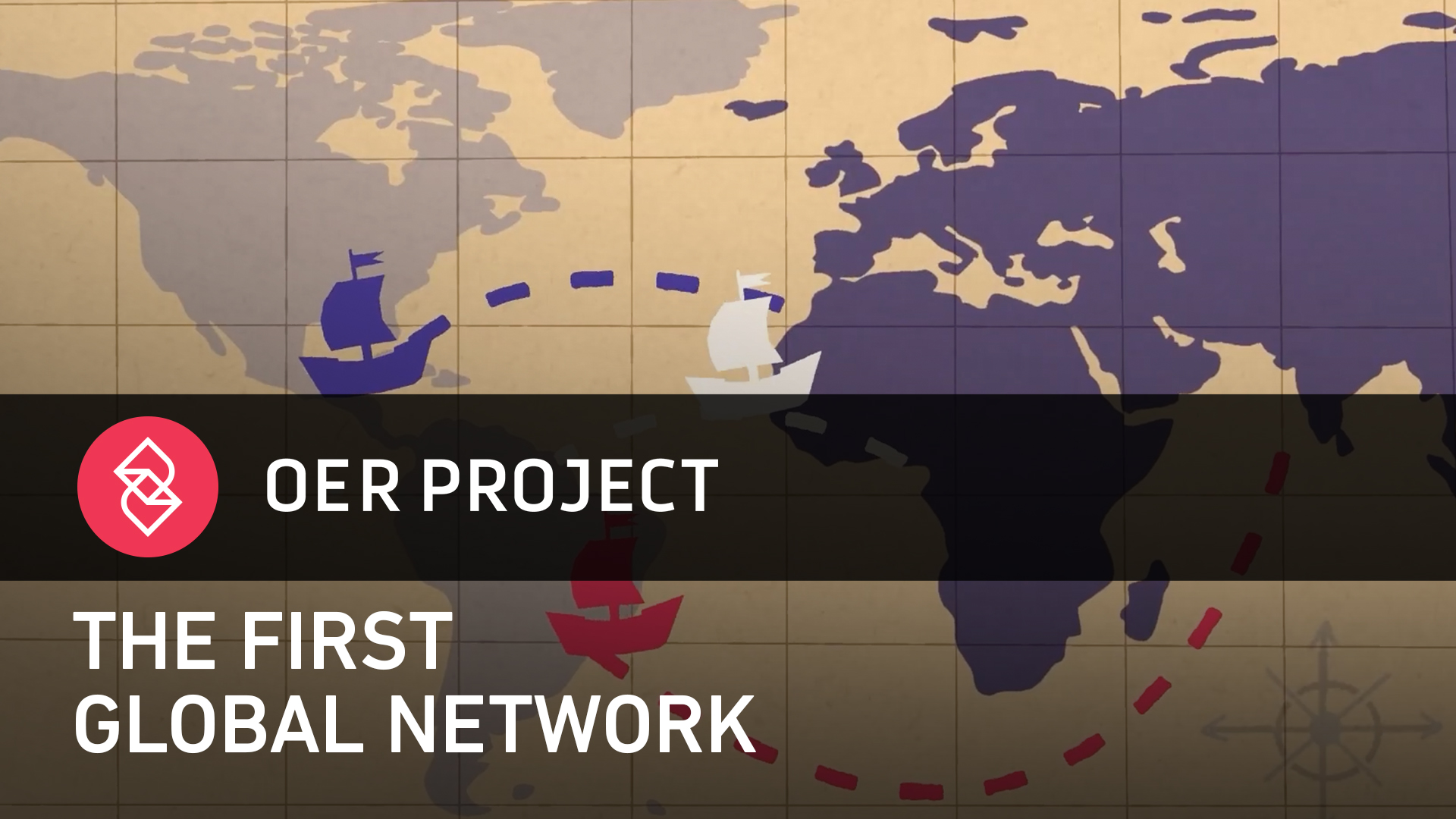
The Columbian Exchange moved plants, animals, germs, and people between Afro-Eurasia and the Americas after 1492. The exchange changed diets, farming, trade, and power across the world. Diseases from Afro-Eurasia, especially smallpox, killed many people in the Americas and helped Europeans conquer more easily. American crops such as potatoes, sweet potatoes, and peanuts helped feed more people and expand farming. Silver, sugar plantations, and enslaved African labor helped drive the first global age.
- The Columbian Exchange transferred plants, animals, germs, and people between Afro-Eurasia and the Americas.
- The Columbian Exchange spread deadly diseases to the Americas and caused catastrophic population decline.
- American crops transformed Afro-Eurasia by improving diets, expanding farming, and supporting population growth.
- The Columbian Exchange reshaped global trade through silver, plantation economies, and enslaved African labor.
We have the Columbian Exchange to thank for potatoes in Ireland and tomatoes in Italy. While global connection increased the complexity of the world, that connection came at a steep price.
Guiding Questions
Think about the following questions as you watch the video
- How did people travel and trade within world zones before the 1500s?
- How did the Columbian Exchange begin?
- What were some of the positive effects of the Columbian Exchange?
- What were some of the negative effects of the Columbian Exchange?