Experiencing Colonialism

Driving Question: How did colonized people respond to colonial rule?
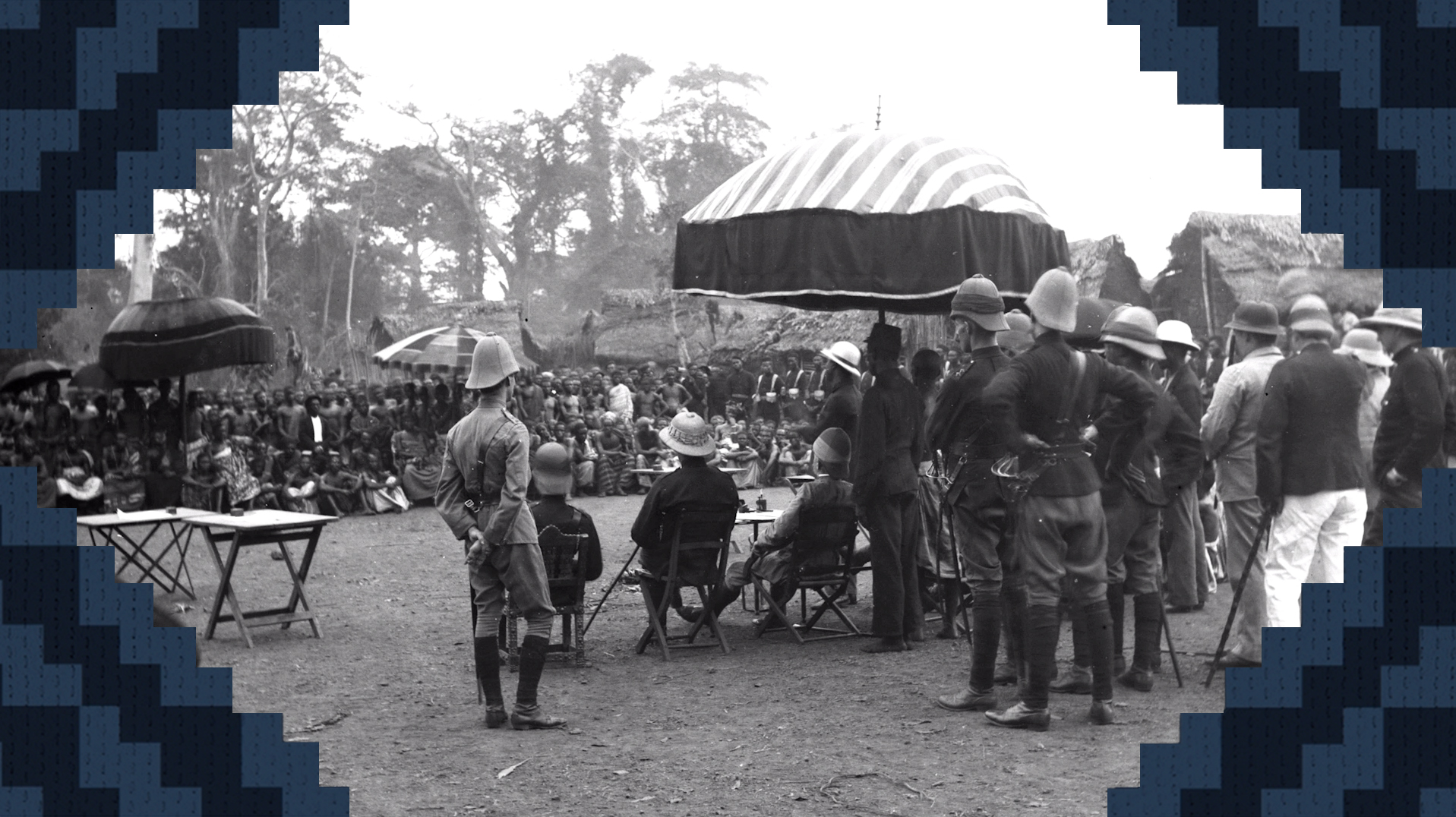
Colonialism wasn’t experienced the same way everywhere. Empires used a variety of strategies to enforce their rule and expand their reach. In the face of it all, individuals and communities found ways to preserve their identity, resist control, and adapt to survive.
Learning Objectives:
- Examine the different direct and indirect strategies used to resist colonialism.
- Assess a case study of how colonialism affected Ghana, both historically and today.
- Practice quick-sourcing to evaluate how Indigenous communities responded to imperial expansion.
Vocab Terms:
As you prepare to learn about the ways that colonized people resisted, sort the thinking of imperialism into motives and goals.


Be sure students are aware of metacognitive strategies: Before they start reading, remind students to monitor their thinking as they go. They should stop at the end of a sentence (or a paragraph) and ask themselves such questions as:
- What did I just read?
- Do I understand what I just read?
- How does what I read relate to the overall topic?
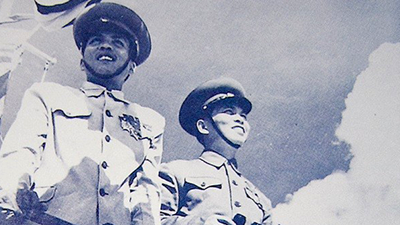
Challenging colonial power was no easy task, and there wasn’t just one way to do it. People and communities under imperial rule responded with protest, adaptation, negotiation, and even rebellion.
-
Guiding Questions


-
Guiding Questions
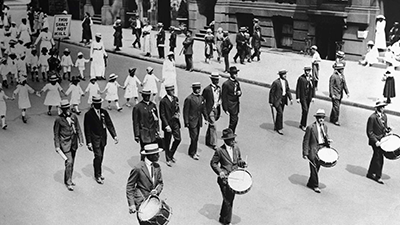
This CCOT activity uses an article about reform movements from Unit 4 alongside an article on industrial empires to help students make connections through time and across themes. Many nineteenth-century anti-imperial activists also championed abolition, women’s suffrage, and other causes.
Note: Although we highly recommend completing this and other CCOT activities as a class (the collaborative element can really help students develop this historical thinking skill), if you’re pressed for time, students can certainly complete this activity on their own or with a partner.
Explore how colonized people navigated life under empire by balancing old and new identities. Then trace how labor and resistance changed alongside colonial rule.
-
Guiding Questions


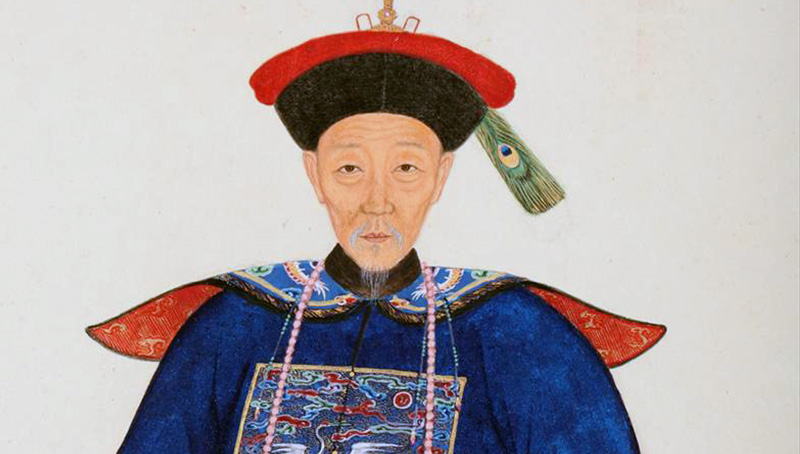
Across the globe, Indigenous peoples responded differently to European imperialism. Practice quick sourcing as you uncover stories of resistance, resilience, and adaptation in the face of colonial rule.
Looking for opportunities to connect colonialism to today? Explore the OER Project Community discussion “Colonialism Britain and Kenya Today” for ideas on how to help students build usable histories.
Use what you’ve learned about different strategies of resistance to explain how colonized people experienced—and fought against—foreign rule.