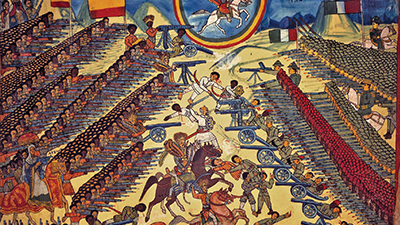
Resisting Colonialism in Ghana and India

Driving Question: How did people in Ghana and India resist colonial rule?
In Ghana and India, resistance emerged even when colonial power seemed impossible to challenge. Rebellion, leadership, and courage shaped these struggles—and continue to shape how they are remembered today.
Learning Objectives:
- Examine the different direct and indirect strategies used to resist colonialism.
- Use the historical thinking skill of causation to understand challenges to colonial rule during this period.
- Use a graphic biography to support, extend, or challenge the overarching narratives of this period.
Vocab Terms:
Review the many different forms of resistance that colonized people used to push back against the constraints of empire.


When students hear “resistance” they understandably think first about armed rebellion. But this video is a great chance to highlight all the many, much more subtle ways that colonized people adapted to and resisted colonialism. Between the video and graphic biography, this is also an opportunity to discuss which forms of resistance they think are most successful and under what conditions.
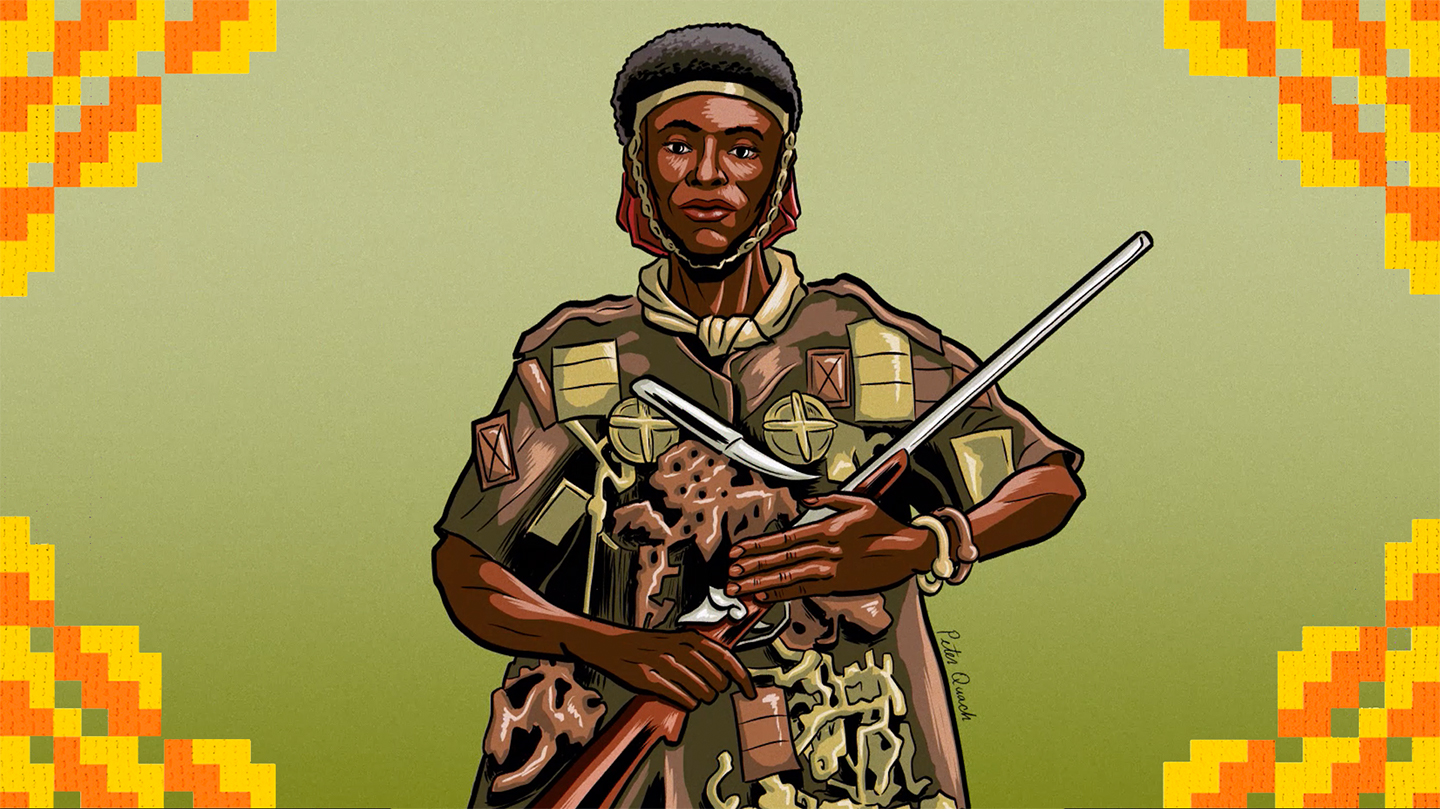
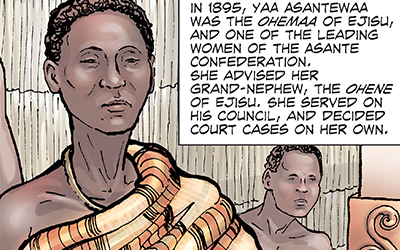
Learn how Ghanaians challenged colonial rule through everyday resistance and bold leadership. These materials highlight powerful actions taken by individuals and communities to defend their land and dignity.
-
Guiding Questions
-
Guiding Questions

Did you know: British colonial officials in India had a total freakout about traveling bread. In 1857, on the eve of the Indian Mutiny, chapatis—a type of flatbread—were being exchanged between villages in north India. Messengers moved packages of bread hundreds of miles each night. British officials were alarmed, sending panicked letters from office to office asking who knew the deal with this dangerous bread. Some claimed it carried secret messages about a coordinated uprising, or that the bread was charred with symbols of resistance. A few weeks later, just as mysteriously as it started, the bread relay stopped. To this day, historians debate the significance of the chapatis movement and the Great British Baking Freakout.
The term Sepoy Mutiny is likely the most recognizable for this conflict. However, you should let your students know that this term has become problematic because it is a colonial-era term that minimizes what was a widespread popular uprising by referring to it as a local mutiny only among Indian soldiers (sepoy). Calling it a mutiny makes it sound limited and carries the connotation of disloyalty, rather than resistance to colonial rule. The revolt might have started among soldiers, but it spread to peasants, elites, and local leaders, particularly in northern India.
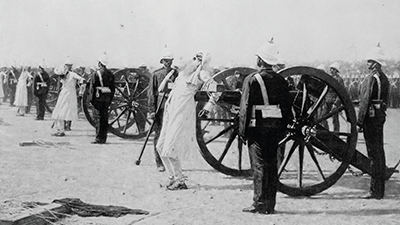
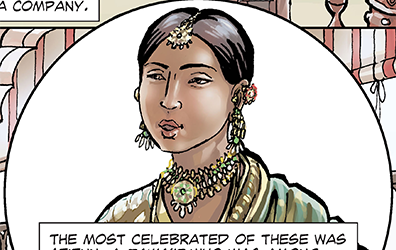
Learn what sparked the 1857 Indian Uprising and how Indian people challenged British colonial rule. This activity, article, and comic highlight the pivotal roles individuals played in challenging colonial rule.


-
Guiding Questions

-
Guiding Questions
In this unit, you explored how imperialism reshaped global power. Now, use what you’ve learned to compare colonial systems and reflect on their lasting impact today.



Across Africa, colonial resistance wasn’t one-size-fits-all. Here, you’ll examine how geography, leadership, and local priorities shaped anticolonial strategies.
-
Guiding Questions