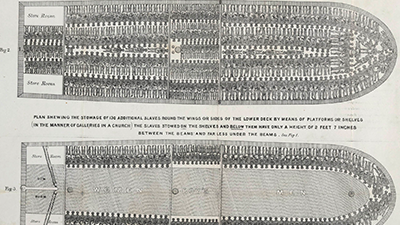
Enslavement and Abolition

Driving Question: How did abolitionist movements reshape political and economic structures during the long nineteenth century?
Even as liberty became a global ideal, slavery remained a global reality. Resistance came from enslaved people, activists, and communities who refused to accept the system. Even with the abolition of slavery, the fight for equality was far from over.
Learning Objectives:
- Analyze the factors that led to the abolition of slavery and its lasting impacts on modern society.
- Use the historical thinking practice of sourcing to evaluate theories about the abolition of slavery.
- Use a graphic biography to support, extend, or challenge the overarching narratives of this period.
Vocab Terms:
Teaching about slavery and abolition can evoke strong feelings in any classroom. Check out our guide on teaching sensitive topics for strategies for managing these discussions. For example:
Shared knowledge and shared responsibilities: No student should feel that they are excluded from or required to participate in any topic simply because of who they are or how they identify. We all have a responsibility to understand and empathize with difficult historical topics. Ensure each student feels like their voice can be heard—or that they have the right not to speak.
In this lesson, you are going to learn about individuals and groups who made important choices that transformed the world for the better. This quick opener will help you think through what drives decision-making.


Note: This sourcing activity is intended to be a teacher-led, collaborative activity. If you’re pressed for time, students can easily complete this activity on their own or with a partner.
Be sure to reference the Lesson Guide. It includes extensive sample answers that will help you guide students through these readings.
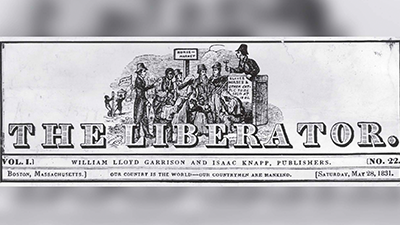
These materials explore why slavery was abolished and highlight the role of abolitionist voices. You’ll use evidence to understand how abolition reshaped politics and the economy in the industrial age.
-
Guiding Questions

-
Guiding Questions
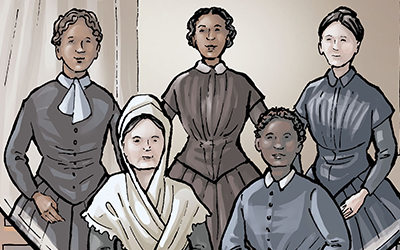



Set the stage: Set context prior to watching a video with students: Why are we watching this video? What do we hope to learn from it? How does the information in this video align with or go against what we’ve learned in class thus far? Make sure students have enough background knowledge for the video to make sense.
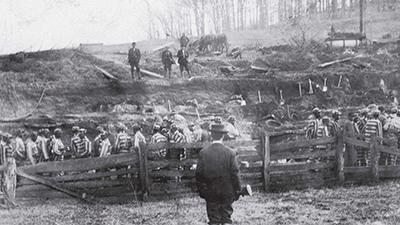
This article and video show how abolition changed societies—but also how racism and inequality continued in the political and economic systems.
-
Guiding Questions
-
Guiding Questions
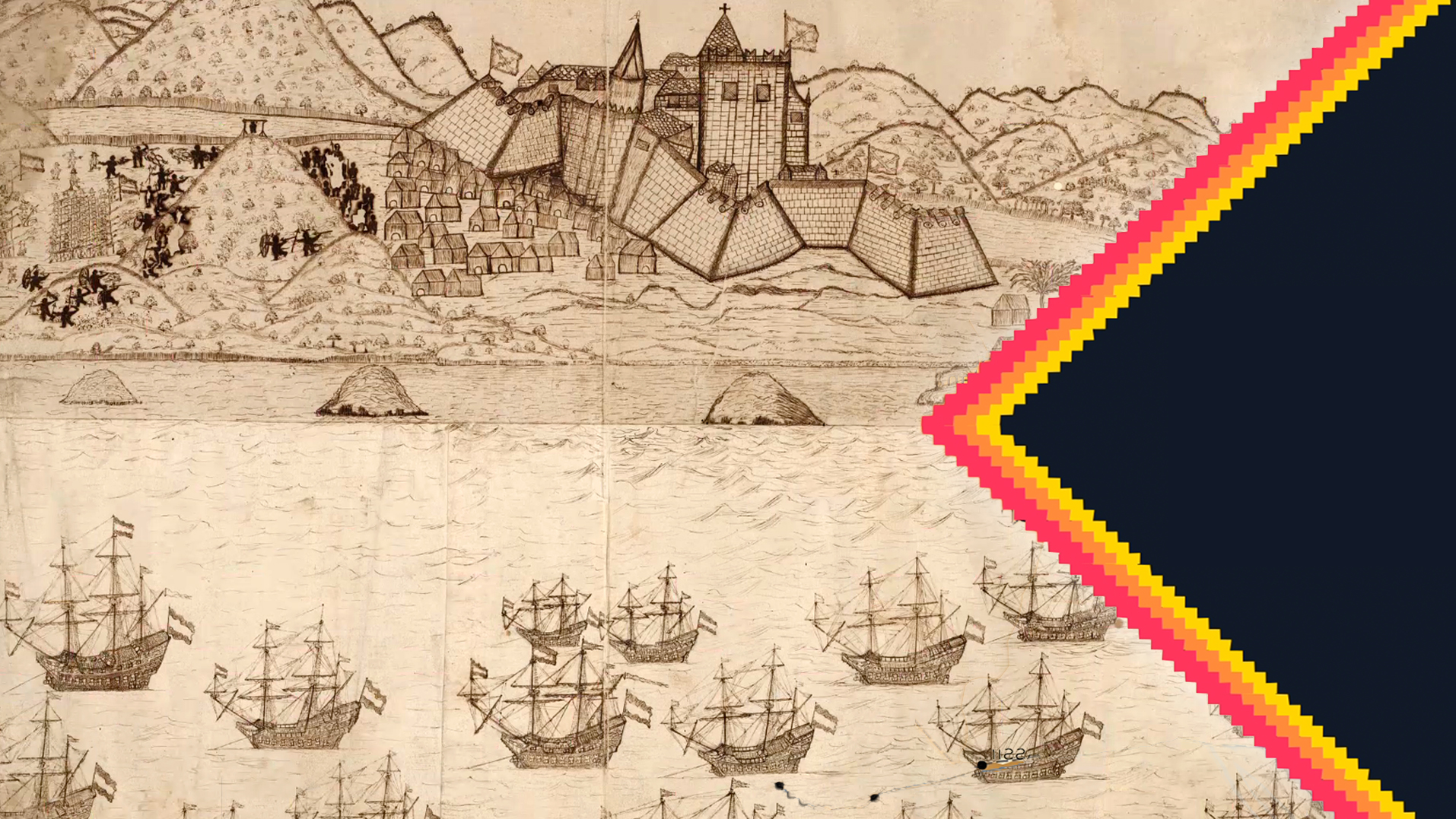
You’ve learned about the impacts of the slave trade and some of the people who helped end it. In this activity, you’ll choose the factors that you think were most important to the abolitionist movement.



Slaving and slavery existed alongside capitalism. But were they rival economic systems, or did they support each other?
-
Guiding Questions