The World Remade

Driving Question: How did World War I remake society?
World War I left behind more than wreckage. From fragile peace talks to sweeping revolutions, it pushed people to imagine new ways to organize on global, national, and local scales.
Learning Objectives:
- Evaluate how different nations approached the peace process after World War I.
- Use the historical thinking practice of comparison to analyze the causes and outcomes of the Mexican and Russian Revolutions in the context of World War I.
Vocab Terms:
How did people cope with the end of the First World War? While many hoped this would be the first and last total war, the uneasy peace that ended the war didn’t hold for long.

This activity is designed for a teacher-led, whole-class environment. Be sure to check out the Lesson Guide ahead of time for preparation instructions and teaching tips.
Note that you’ll need to download and print several documents before you begin this activity, including national flags, a data chart, peace cards, and a reflection worksheet. Don’t forget scissors and tape!
If you’d like to conserve paper or your printing allowance, check out how one OER Project teacher combined the several cards into one, on which students can circle options. She even provides a downloadable file: World War I Peace Talks Cards—Less Paper.
The end of World War I didn’t mean the end of conflict. The peace process created new tensions and raised big questions about justice, power, and responsibility.
Our guide on Teaching Sensitive Topics in Social Studies can help you navigate tough topics like the Armenian Genocide. For example, here’s one strategy you can use:
Set the stage: Set context prior to watching a video with students: Why are we watching this video? What do we hope to learn from it? How does the information in this video align with or go against what we have learned in class thus far? Make sure students have enough background knowledge for the video for these questions to make sense.
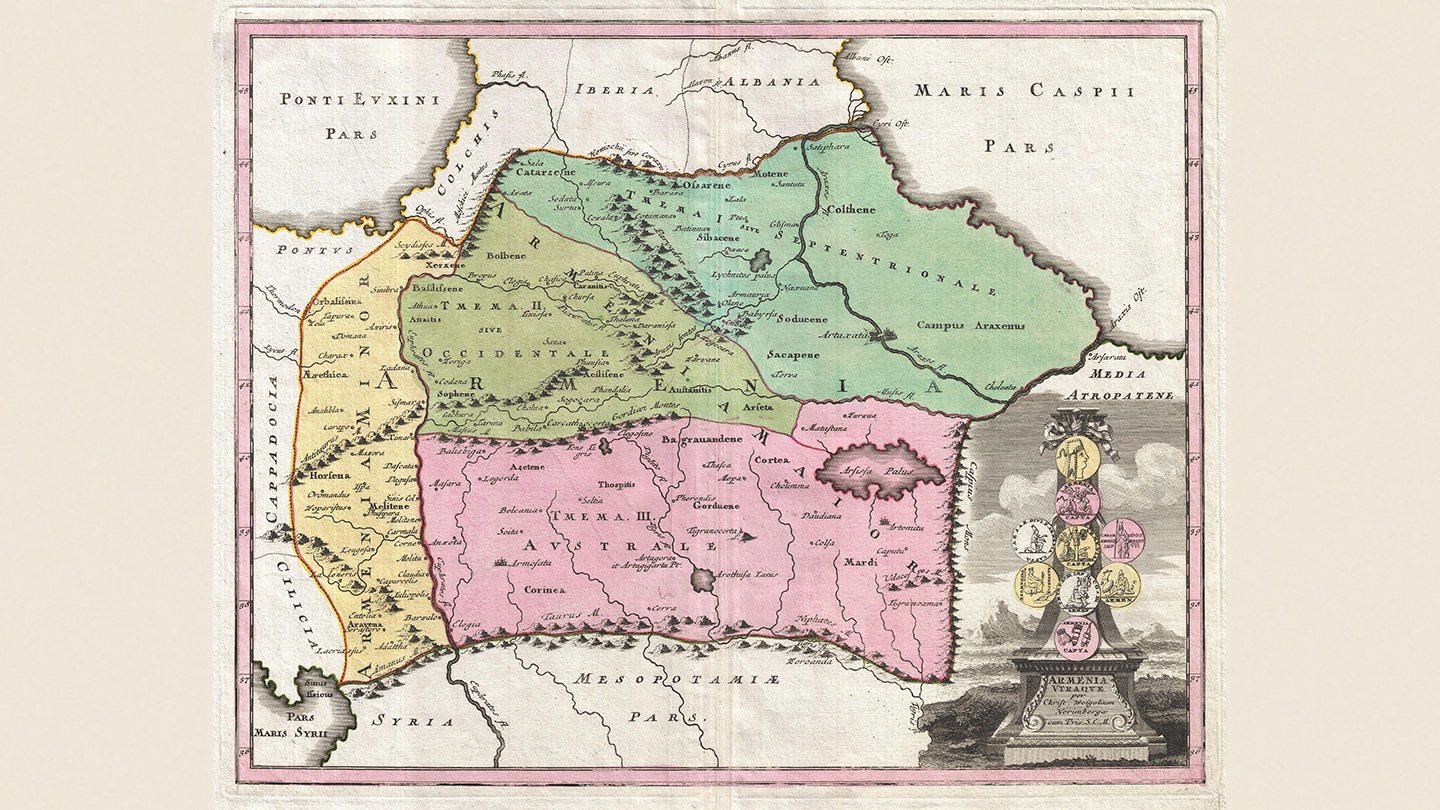
World War I brought devastation not only to armies, but also to entire communities. The Armenian Genocide shows how the war intensified violence against civilians and altered the social fabric of empires.
-
Guiding Questions
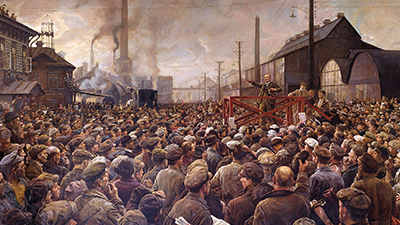
Did you know: Lenin’s brain got sliced into more than 30,000 pieces. After his death in 1924, Soviet doctors removed and dissected his brain in an attempt to identify physical anomalies to prove his genius. Results were mixed. Today, 30,953 slices of Lenin’s brain are stored in the Moscow Brain Institute, under high security. But you can still check out his body, which has been embalmed and on display in Red Square for more than a century.
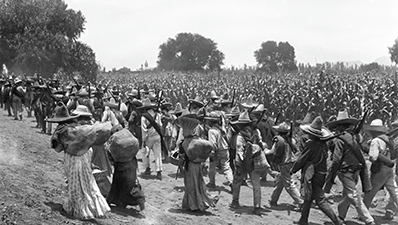
In the tumult of global conflict, revolutionaries in Mexico and Russia seized the moment to push for change. These materials will guide you through an investigation of how war accelerated calls for justice and reform.
-
Guiding Questions

-
Guiding Questions
In this unit, you explored how the First World War remade societies, sparked revolutions, and shifted global power. Now, reflect on these transformations and how they continue to shape our world today.


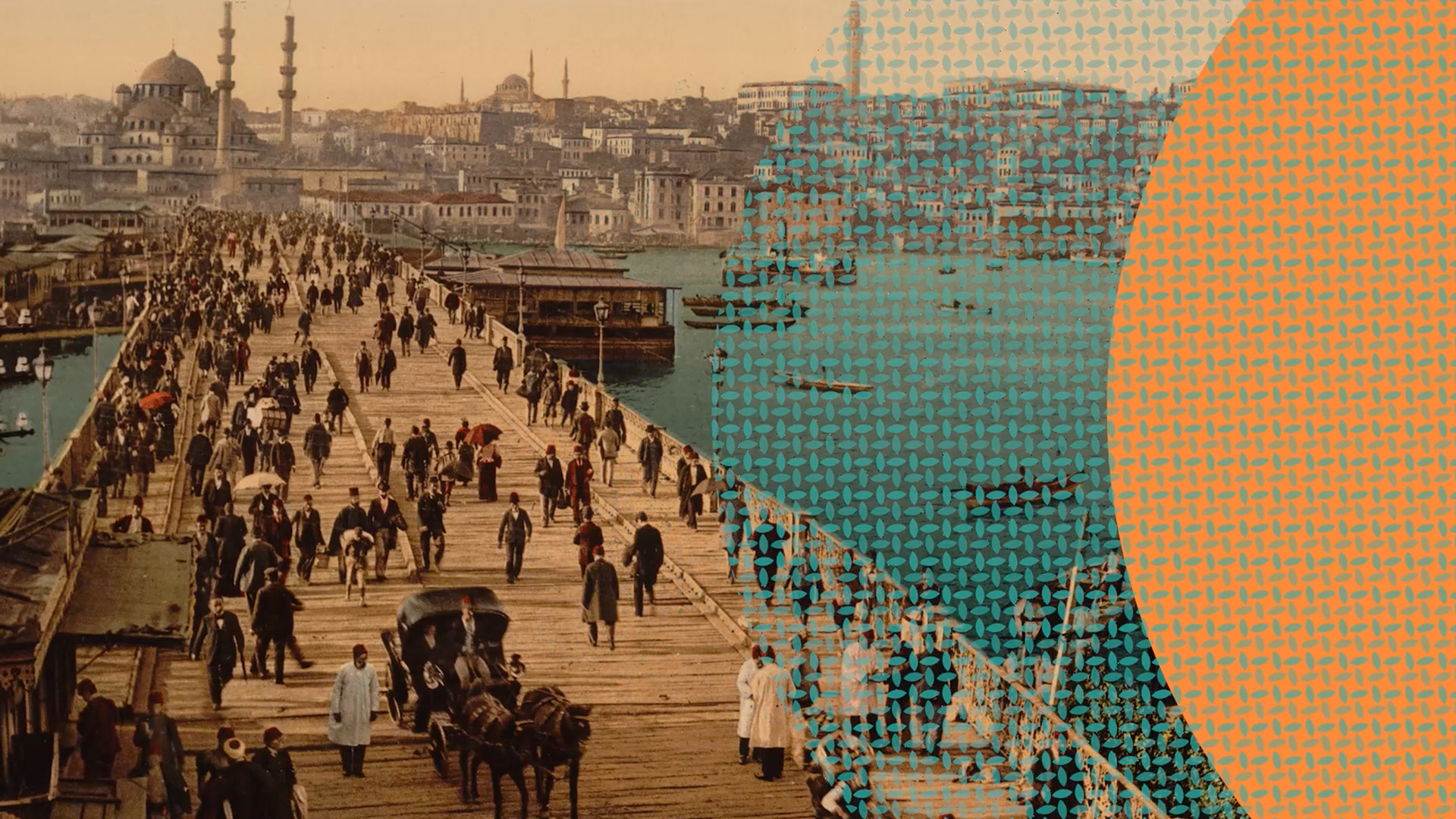
These two videos are important extensions to illustrate the long-lasting impacts of the First World War outside of Europe. The Middle East video in particular is relevant to our world today, as it explains the Sykes-Picot Agreement, which laid the foundations for many of today’s regional conflicts.
How much did World War I really change the world? Use your knowledge of imperialism and total war to track big shifts across time, seeing what changed and what didn’t.
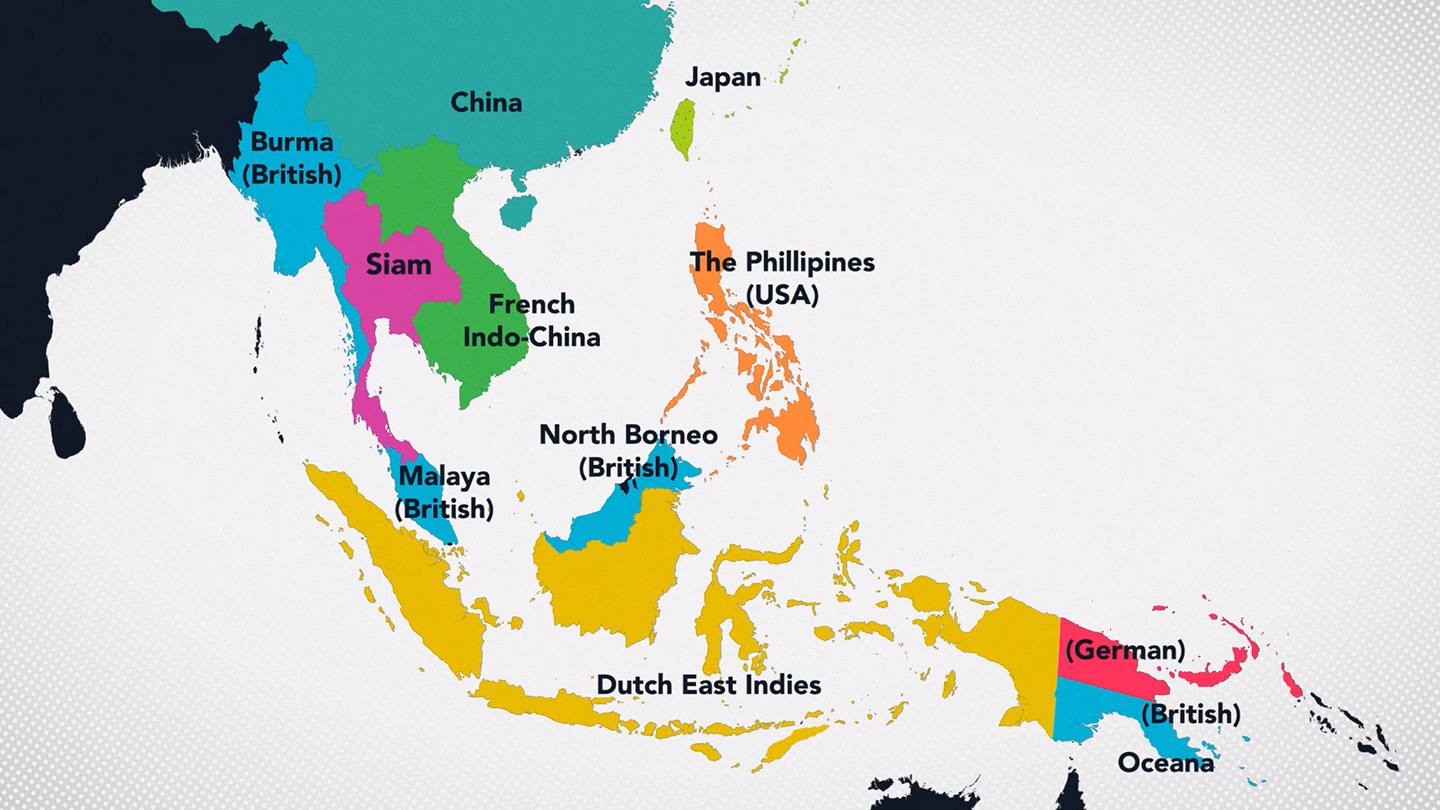
World War I set off upheaval across the globe. These stories from Southeast Asia and the Middle East show how the war’s impact reached societies far from the front lines.
-
Guiding Questions
-
Guiding Questions