Four World Zones Connect
Teacher Resources

Lesson Guide
This lesson includes a writing assessment as well as articles, a video, and graphic biographies. Find teacher instructions, pacing, and sample answers in this guide.

Blog: Teaching the Columbian Exchange: Engaging Activities and Free Resources
Make the Columbian Exchange memorable for your students with the activity ideas in this blog post. Kick off the lesson with a clip from "Chopped" or play a round of Four Corners to help your students explore the beginning of the first global age.
Driving Question: What are the pros and cons of the interconnection of the four world zones?
How did connecting once-isolated continents reshape the world? Explore the ripple effects of the Columbian Exchange to uncover how the flow of goods, ideas, diseases, and people transformed global life and made it more complex than ever.
Learning Objectives:
- Explain how the interconnection of the four world zones increased complexity.
- Assess the consequences of the Columbian Exchange.
Spice up how you teach the Columbian Exchange by using one of the many ideas shared in these teacher-created videos.
Imagine living in the late 1400s when the known world doubled in size! People in the Americas didn’t know about those in Afro-Eurasia and vice versa. Time for you to figure out where some crops and animals originated.

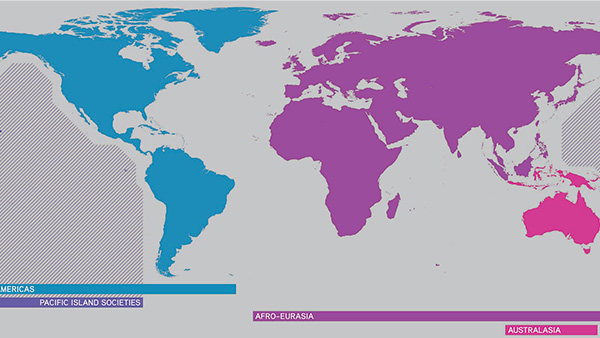
We’ve been talking about world zones a lot, so let’s take some time to define them, and figure out how some came to be more powerful than others.
-
Guiding Questions

The Columbian Exchange sparked the first global trade networks, setting the stage for today’s fossil-fuel-dependent transport systems. Explore how modern innovations are working to transform this legacy and decarbonize global trade in Lesson 4.2 of OER Project: Climate.
The Columbian Exchange is the name historians give to the transfer of goods, ideas, and even diseases between the Afro-Eurasian and American world zones. Here’s how it all went down.
-
Guiding Questions
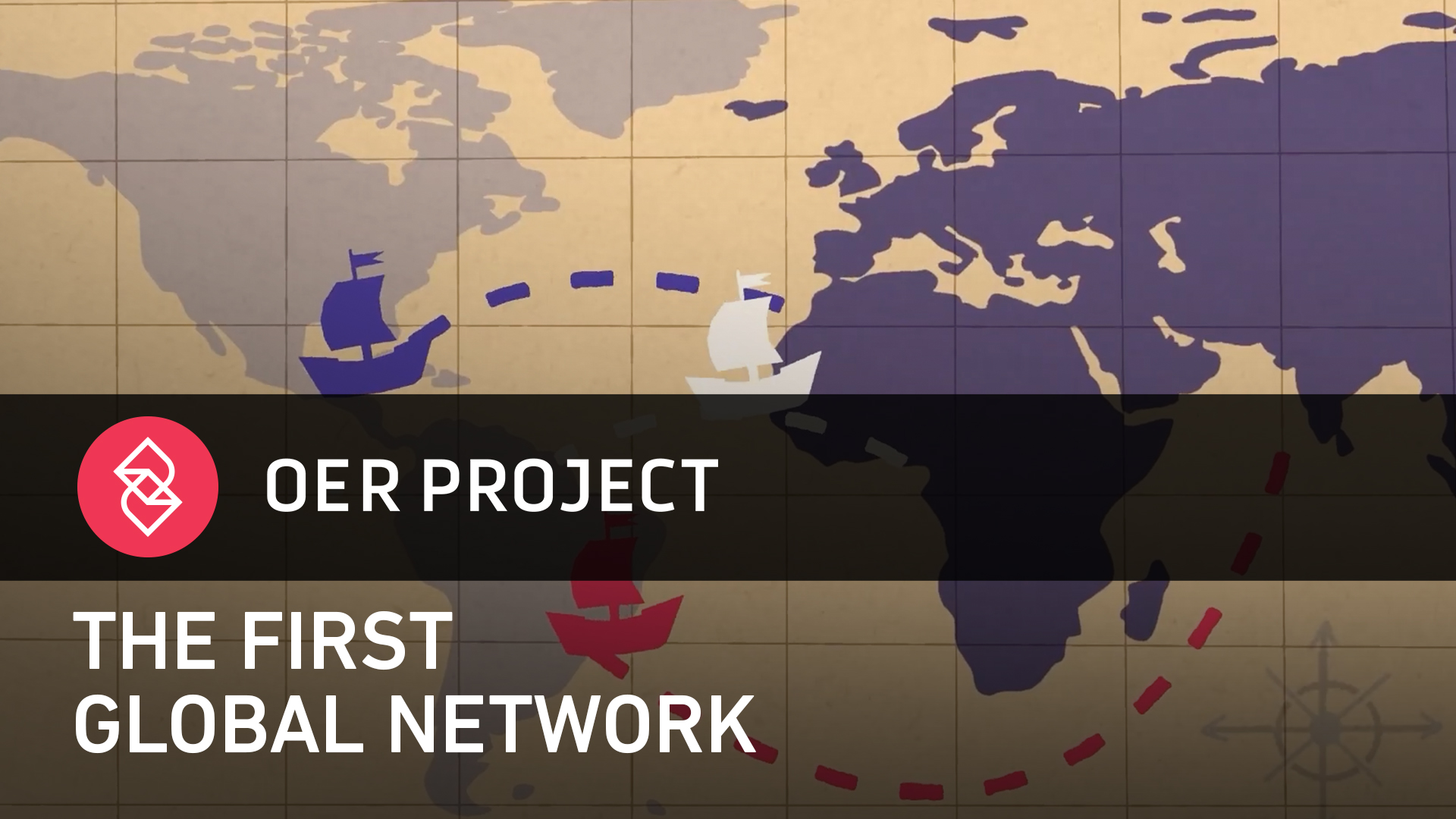

New world zones, new products, new demands. Economies around the globe changed as new connections formed during the Columbian Exchange. This next article explores those changes.
-
Guiding Questions
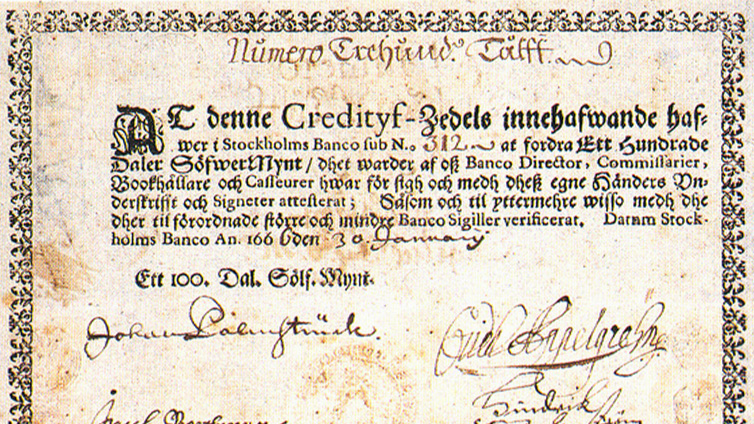
Let’s bring it all together and see what you think about one of the most important eras in world history!


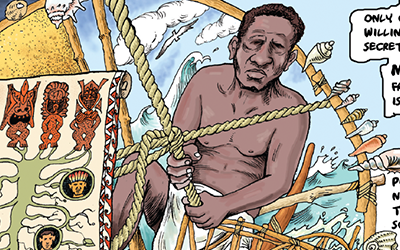
Did you know that scholars used to think that Polynesians made it to islands such as Hawaii and New Zealand by accident? Then, Mau Piailug proved them wrong by sharing his navigation knowledge, which had been passed down through generations of collective learning.
What does the Columbian Exchange have to do with modern climate change? Explore how this exchange transformed environments in ways we are still feeling today.
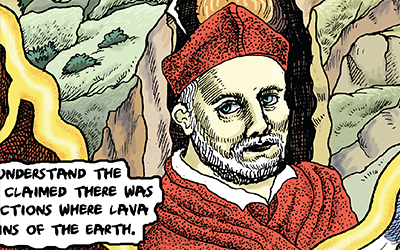
Graphic biographies are short and fun, but they’re also packed with information. Share this tool with your students to help them break down the elements of graphic bios.
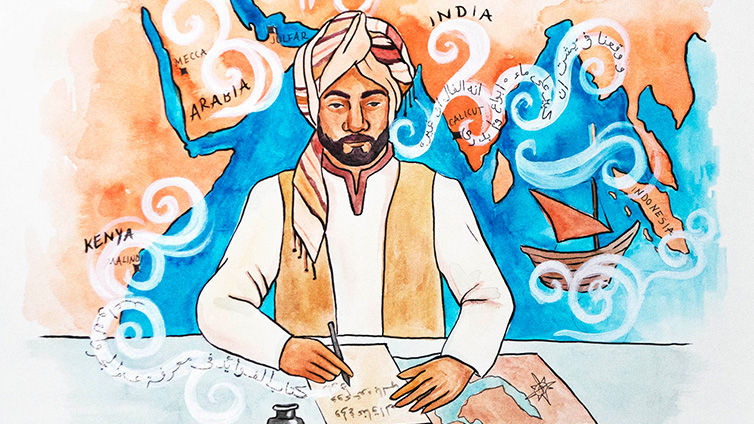
When you think of explorers you might imagine Spanish conquistadors or modern astronauts, but some of the greatest explorers who ever lived were curious people who built upon centuries of collective learning.
-
Guiding Questions

-
Guiding Questions
-
Guiding Questions
We know that writing a full DBQ essay might be challenging for middle-school students. This optional assessment can be adapted in a few ways: 1) Have students focus on the prewriting exercise, modeling how to unpack the prompt and write a claim. You can use the table on page 2 of the Claim Warm-Up activity to help students parse the prompt and craft their claim. 2) Create learning stations for student groups to examine a smaller selection of the DBQ sources and decide how each source helps to answer the prompt. 3) Shorten the essay in the writing activity to a paragraph or have students create a different product, such as a Google Slide or infographic.
This writing assignment is available through Khan Academy’s Writing Coach, an AI-powered tool that guides students through the writing process and provides feedback—without doing the thinking or writing for them. Learn more and find a direct link to this assignment in our Writing Coach Guide.
You’ve learned a lot about the interconnection of the four world zones. Now, it’s time to show just how much you’ve learned.